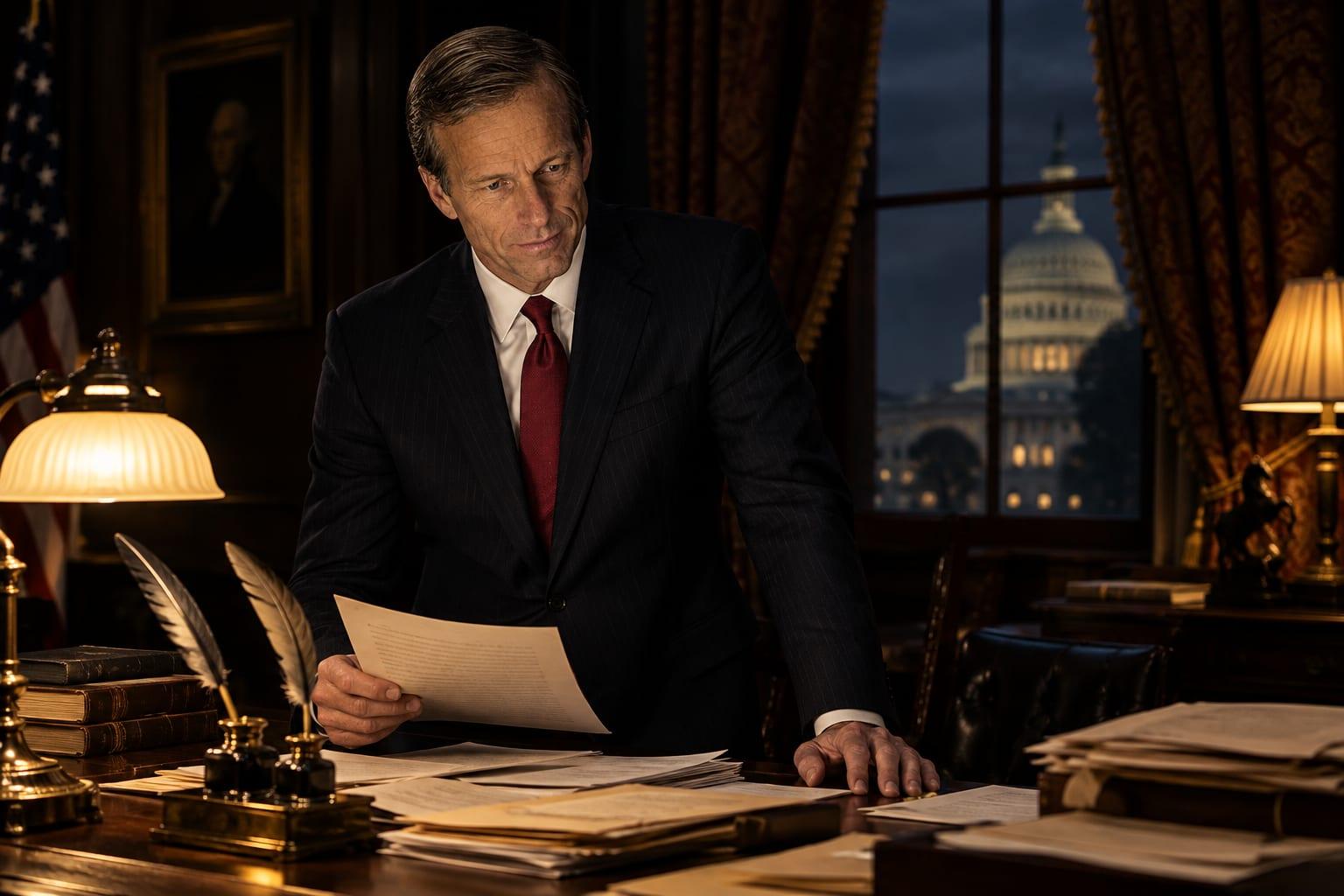
Senator John Thune has become the focus of criticism after revealing his controversial strategy to advance voter ID laws. Instead of moving a straightforward voter ID bill, Thune has combined it with a measure to ban congressional insider trading – a move seen by many as sabotaging both reforms before they reach a vote.
This tactic offers Senate Democrats, including leader Chuck Schumer, a prime opportunity to block the legislation, ensuring it remains a non-starter on the chamber floor. Critics argue that if Thune genuinely intended to pass voter ID laws, he wouldn't have paired it with another polarizing issue but would have put it forward as a stand-alone measure.
Frustration Among Patriots
Support for voter ID is strong across the board, with recent polls showing 85% of White, 82% of Latino, and 76% of Black voters in favor of such measures. Even the mainstream media, which often sidesteps issues of election integrity, can't dispute this support. Thune's bundling tactic, therefore, prompts inquiries into whether his efforts are genuine or simply performative political theatre.
The Role of the 'Deep State'
This episode underscores a broader trend of failure among Washington elites – a 'Deep State' conspiracy that pretends to advocate for popular reforms while actually stifling them. President Trump has been vocal about the need for clean, effective legislation like the SAVE America Act. Yet, Thune's actions suggest a different agenda, one that prioritizes insider interests over electoral integrity.
"A messaging vote is not a law," he add, highlighting the urgency for real change, untainted by backroom deals.
The message from everyday Americans is clear: senators who can't stand up for voter ID are undeserving of their positions. Thune's maneuvering, while perhaps strategically cunning, is being seen as antithetical to the America First principles that sent him and his colleagues to Washington in the first place.
A Demand for Action
Americans are demanding a clean vote on voter ID, without the baggage of unrelated issues. The conservative base grows increasingly skeptical and impatient with 'messaging bills' and demands a direct approach. Thune needs to decouple his Bill, presenting each issue on its own merits.
If key Senate leaders continue this charade of 'staged failure,' they risk alienating not just their voter base but also the core values they were elected to represent. The path forward is clear: true leadership means moving legislation that reflects the will of the people, not the whims of Washington insiders.