
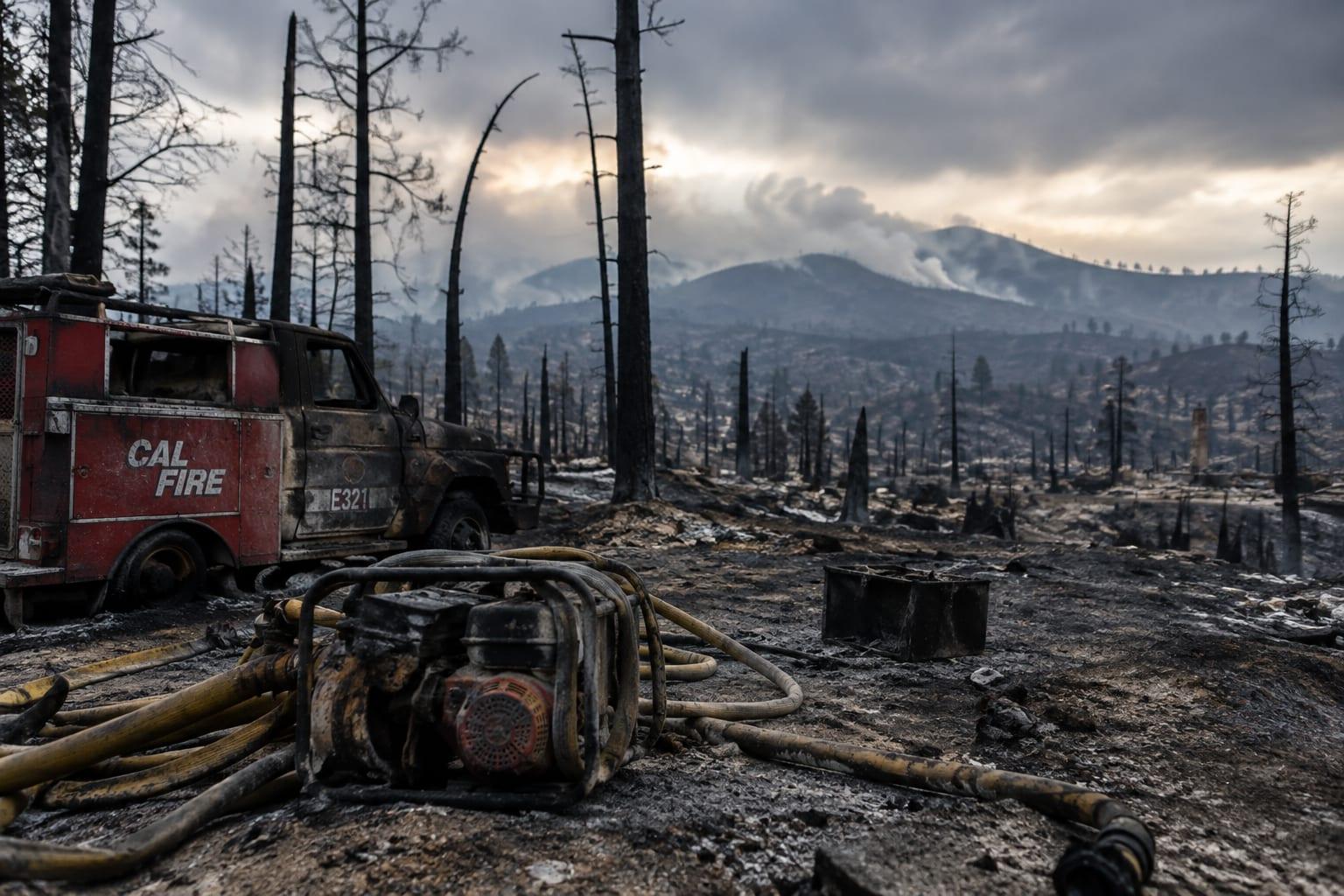
A 723-page independent review of the Eaton and Palisades fires has concluded that no single failure caused the destruction, but that the wind-driven conflagrations overwhelmed a system that was never designed to handle them, according to multiple news outlets that have reviewed the document.
The report, ordered by California Governor Gavin Newsom and released this week, amounts to the most frank and in-depth public accounting to date of what has been described as botched evacuations in Altadena and dysfunction in Pacific Palisades. Among the most damning allegations in the sprawling review is a staggering delay in warning residents as their homes burned, a finding that has since been amplified across social media and in local and national press coverage.
Coverage of the report has spread through outlets including the New York Post, Whittier Daily News, and Los Angeles-area broadcasters, each emphasizing different elements of the 724-page document as it has circulated. The Whittier Daily News described “sweeping deficiencies” in the wildfire response. A separate account highlighted that the review found the fires “overwhelmed a system never designed for a wind-driven conflagration.”
Early reactions to the report have focused on two communities hit hardest by the fires: Altadena, where the Eaton Fire burned, and Pacific Palisades, where the Palisades Fire destroyed thousands of structures. According to the reporting, the review found that evacuation warnings were delayed and that coordination among agencies broke down as the fires advanced.
The human toll of the fires remains at the center of the political fight now unfolding. Survivors in Altadena have been pushing for state legislation that would pause high-density rebuilding as they attempt to recover. Governor Newsom signed SB 1090 into law, placing a three-year pause on high-density developments in Altadena, a measure that supporters describe as a way to give displaced residents time to rebuild and that critics say could worsen the state's housing shortage.
That law, and the report, have together turned the fire response into a broader referendum on state and local governance. The report does not assign individual blame, according to those who have reviewed it, but its findings of delay and dysfunction have been seized on by critics who argue that California's emergency planning failed residents in the hours that mattered most.
The coverage has spread well beyond the communities affected. The New York Post carried the report under a headline focused on the “staggering delay” in warning residents as homes burned. The Whittier Daily News framed the findings as “sweeping deficiencies.” Los Angeles station FOX 11 highlighted the push by Altadena survivors for SB 1090. And one widely circulated report described the document as providing “the most frank and in-depth review” of the fires to date, pointing to multiple shortcomings in governmental planning and response.
What the review does not do, according to those who have read it, is settle whether any individual official or agency should be held responsible. Instead, it describes a system that was not built for the scale of the disaster and that buckled under the pressure of wind-driven fires moving through densely populated neighborhoods.
Next News Network could not independently verify the allegations contained in the report.
Even so, the report has become a focal point for residents who say the warning failures cost them precious time. Rebuilding efforts in Altadena and Pacific Palisades continue, with thousands of families still displaced more than a year after the fires. The three-year pause on high-density development in Altadena is now in effect, but residents say the deeper question of why warnings came so late remains unanswered.
State officials have not announced any new investigations in response to the report. It is not yet known whether the findings will lead to changes in evacuation protocols, emergency alert systems, or the division of responsibility among the agencies that responded. For now, the document stands as the most detailed public record of what went wrong — and as a political flashpoint that shows no sign of cooling.
Our Take
There is a version of this story that the legacy media will tell, and it goes something like this: the fires were unprecedented, the system was never designed for them, no single failure caused the disaster, and therefore no one is really to blame. That is the language of a bureaucracy protecting itself, and it is exactly why the release of a 723-page report instead of a set of firings should outrage every Californian who watched their neighborhood burn while waiting for a warning that never came.
The report’s own findings — delayed evacuations, dysfunctional coordination, a system overwhelmed — are not a defense of government inaction. They are an indictment of it. “Never designed for a wind-driven conflagration” is not a fact of nature. It is a choice made by officials who had years to prepare and did not. And the fact that the review was ordered by the same governor whose administration is now the subject of survivor anger should tell readers everything about how seriously Sacramento takes accountability.
Conservatives have argued for years that California’s disaster response is bloated, slow, and politically insulated. This report is more evidence. The answer is not another study. It is transparency, consequences, and a hard look at whether the agencies that failed families in Altadena and Pacific Palisades deserve the public trust they are asking for.
