
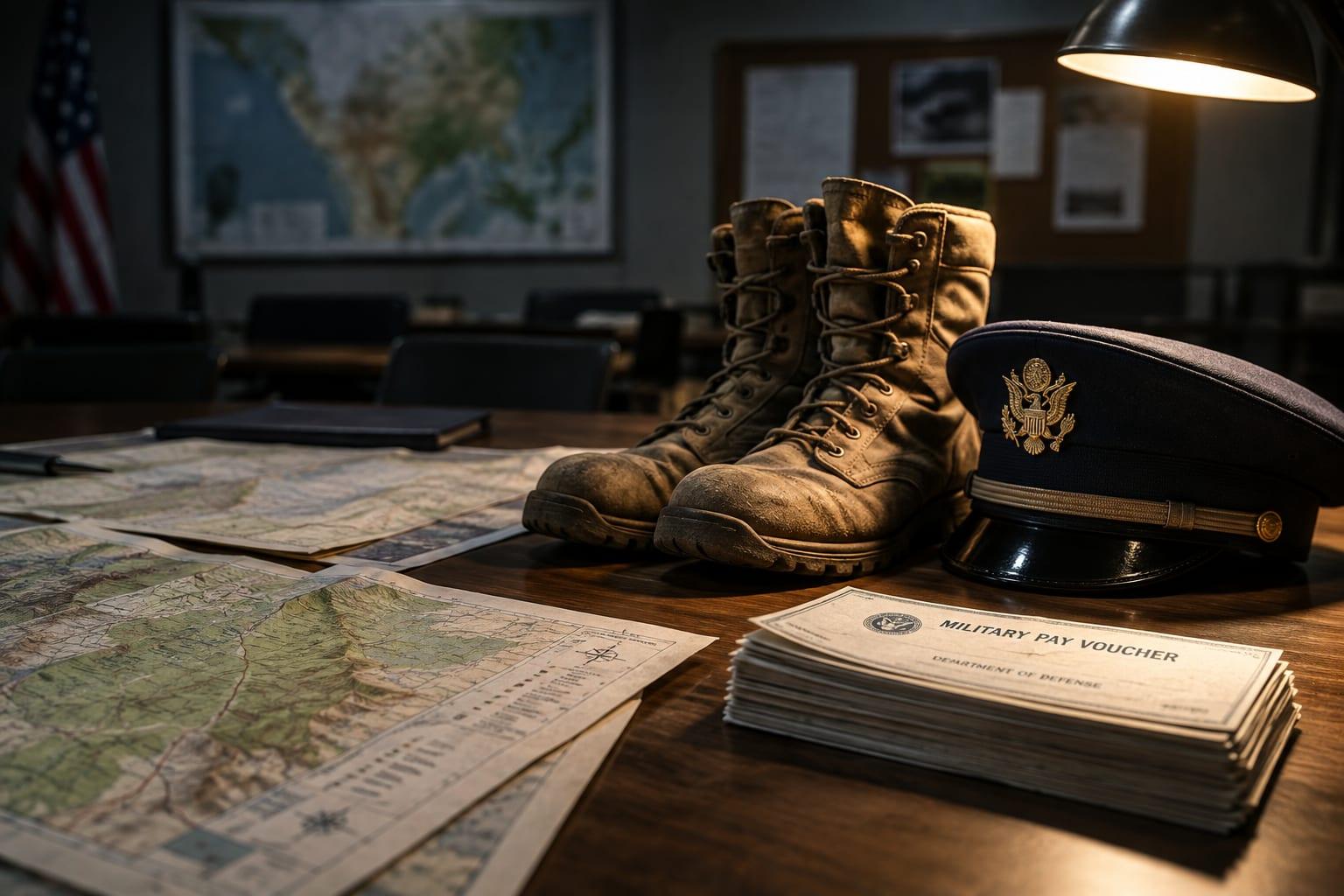
The Department of War has made a significant move to support servicemembers by increasing hazard pay for the first time in two decades. This decision marks a pivotal development as it addresses longstanding compensation inadequacies for those serving in hazardous environments.
Demonstrating Commitment to Troops
It's a moment of relief and appreciation for military personnel who have long faced the challenges of serving in dangerous conditions without adequate financial acknowledgment. The move is seen as a show of respect and commitment from the current administration to ensure that those who bravely serve receive the support they deserve.
This increase in hazard pay aligns with the administration's ongoing efforts to enhance the quality of life and financial stability of the military community. Such efforts highlight the administration's priorities in providing necessary benefits and recognizing the sacrifices made by servicemembers and their families.
A Historic Adjustment
The increase in hazard pay represents a historic adjustment, considering the two-decade gap since the last change. Military personnel stationed in high-risk areas will directly benefit, providing them with improved financial means to support themselves and their families.
While the specific figures of the pay increase have not been disclosed, the acknowledgment of the need for adjustment underscores the administration's dedication to uplifting military standards and ensuring that those who serve are adequately compensated for their risks and contributions.
