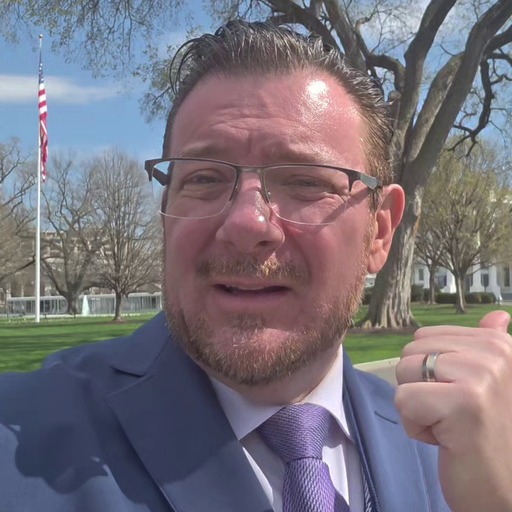
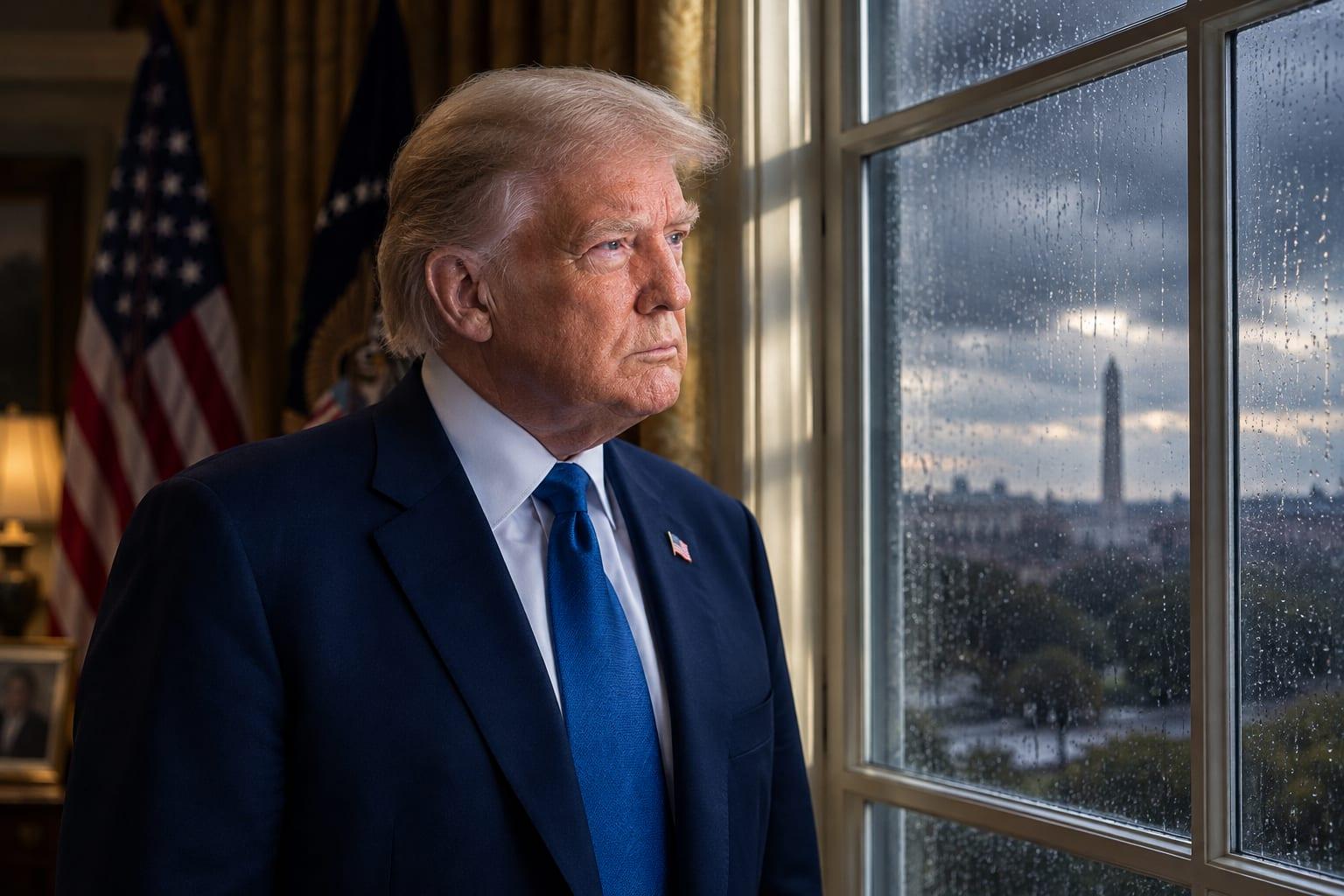
Peter Ticktin, an attorney and ally of President Donald Trump, told Reuters on Saturday that declaring a national emergency may be Trump's best chance to force election changes before the midterm elections. Ticktin also said that even more drastic measures could be warranted if what he described as voting-machine vulnerabilities were exploited.
The comment, carried by the wire service, lands as the midterm season enters its final stretch and as a widening circle of conservative commentators and accounts argue that the president should act on election administration before voters go to the polls. The claim at the center of the discussion is not that any mechanism for such a move has been set in motion, nor that any specific vulnerability has been documented; it is a claim about what one ally believes the president's options are. Next News Network could not independently verify the claim.
Ticktin's remarks were not framed as a description of an imminent action. According to Reuters, he described a national emergency declaration as the likeliest avenue available to the president if the goal is to change election procedures before the midterms, and he added that harder measures could be justified in his view if vulnerabilities in voting equipment were taken advantage of. The wire service did not report that any such vulnerabilities had been demonstrated, nor that the White House had endorsed the idea.
The comments have circulated alongside a broader conversation among Republican-leaning figures about whether the president could nationalize aspects of voting or invoke the Insurrection Act if Republicans sustain heavy losses. That question has been raised in commentary and coverage over the past day rather than answered by any official action. No executive order, emergency proclamation or deployment has been announced, and the discussion remains at the level of what allies and commentators say might happen.
Other coverage of the same subject has focused on the possibility that Trump could declare a national emergency to challenge election results, or move to nationalize voting procedures, or invoke the Insurrection Act to maintain power in the event of significant Republican losses. Those scenarios have been described as concerns raised by critics and observers, not as steps the administration has said it is preparing.
The conversation did not originate in a single statement. It has been carried by a network of accounts and commentators who have picked up Ticktin's remarks and folded them into a longer-running argument about election machinery, mail-in voting and the security of tabulation systems. The claim in circulation is that the president possesses sweeping authority he has not yet used. What has not been produced is any evidence that voting systems are currently compromised in the manner Ticktin described, or that an emergency declaration is under active consideration inside the administration.
It is not yet known whether the White House shares Ticktin's assessment, whether the president has discussed the option with advisers, or whether any legal review of an emergency declaration has been undertaken. Ticktin's comments were made to Reuters as an outside ally offering his own view, not as an official statement of administration policy.
The timing matters. Midterm elections typically serve as a referendum on the party holding the White House, and a poor Republican showing could reshape the final two years of Trump's term. That context has made any discussion of pre-election intervention in voting procedures unusually charged, with supporters of the president arguing that the threat of irregularities justifies extraordinary measures and critics arguing the opposite.
Reuters reported the remarks as a direct comment from Ticktin. The wire service did not present them as confirmation that any plan exists. The distinction is central: what is being described is a recommendation from an ally about the limits of presidential power, not a report of a decision.
Several accounts and commentators across conservative media have amplified the idea over the past day, treating the emergency-powers question as a live option rather than a hypothetical. None of that amplification establishes that the underlying action is being prepared. Next News Network could not independently verify the claim that a national emergency declaration is the president's best remaining path to election changes, or that voting-machine vulnerabilities of the kind Ticktin described exist.
What is documented is the statement itself and the reaction to it. The statement came from a named ally speaking to a wire service on the record. The reaction has come from a set of commentators and accounts who see in it an argument worth making before ballots are cast. Whether that argument translates into anything beyond commentary is, at this point, unknown.
Our Take
Ticktin is not a White House official, and nothing he said to Reuters amounts to a policy announcement. But the fact that a Trump ally is willing to describe a national emergency as the president's best remaining path — and to nod at even more drastic measures — tells you how thoroughly the pre-midterm conversation on the right has shifted from winning elections to controlling the machinery that runs them. That is a dangerous place for a party to be, not because emergency powers are never legitimate, but because the case for using them here rests on vulnerabilities nobody has actually demonstrated. If there are real problems with voting machines, the remedy is evidence, audits and legislation, not a proclamation that treats an unproven claim as a justification for federal intervention. Conservatives spent years rightly warning that the left would use any pretext to federalize elections. Turning around and reaching for the same tool before a single ballot is counted is not strength. It is a confession that the argument has already been lost.