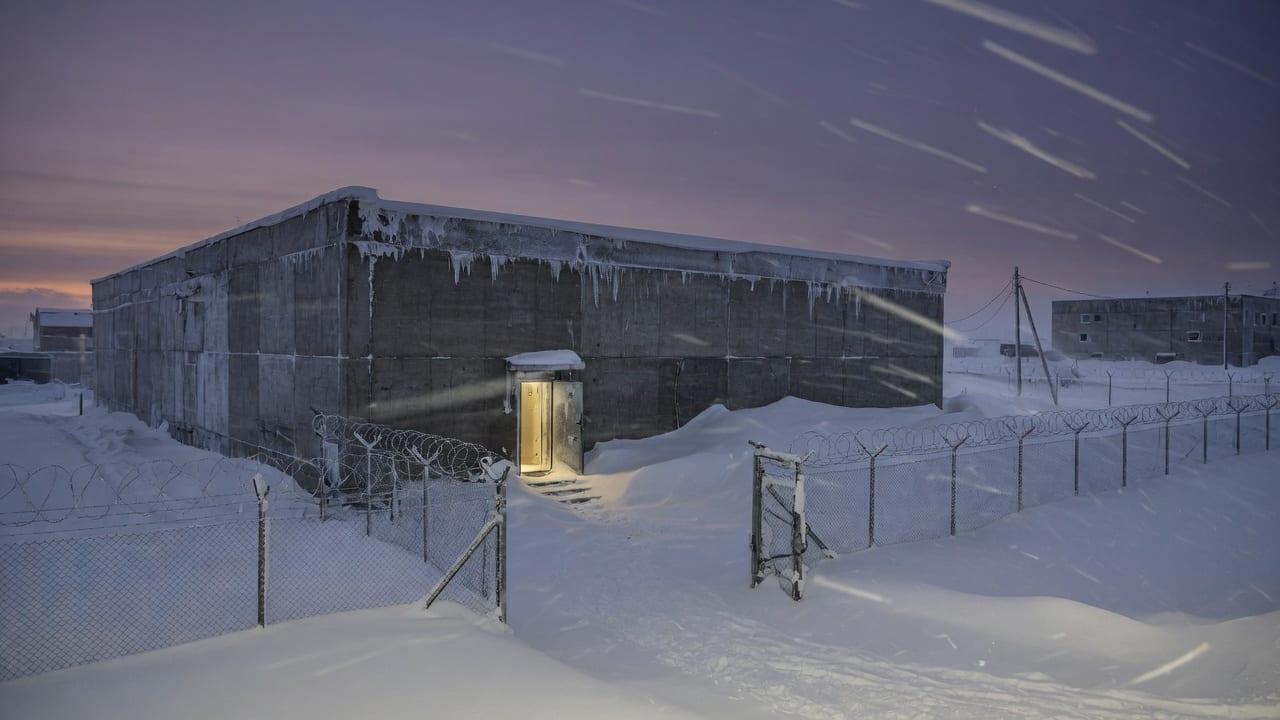
The Oct. 2 death of a researcher linked to an anti-plague institute in Irkutsk, Russia, has revived long-simmering concerns about what became of the Soviet Union's massive biological weapons apparatus — and whether Moscow's program ever really stopped.
The case involves the Irkutsk Research Anti-Plague Institute of Siberia and the Far East, according to Fox News Digital. NBC News reported that a lab worker at a Russian anti-plague institute died of a mysterious pneumonia, prompting quarantines. NBC News also reported that the White House and the World Health Organization are demanding answers from Moscow.
The Man Who Told the West
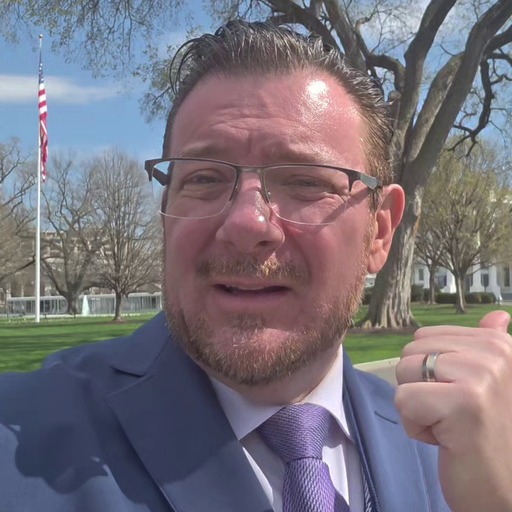
Marshall Billingslea, a former senior State Department official, told Fox News Digital that the death has brought new scrutiny to disclosures made by Ken Alibek — the former No. 2 official in the Soviet biological weapons apparatus, who defected to the West.
According to Billingslea's account as reported by Fox News Digital, Alibek revealed Soviet efforts to alter pathogens to make them more lethal, more transmissible, or harder to treat. Some of the most troubling disclosures involved plague.
"The goal was to render the plague bacteria far more resistant to antibiotics," Billingslea told Fox News Digital.
Billingslea said Soviet researchers also experimented with combining plague with toxin-producing pathogens, with the aim of making infections even harder to treat. According to Alibek's account, the work went as far as engineering infections so that treating a patient with antibiotics could trigger the release of toxins — turning the cure itself into a weapon.
Billingslea acknowledged to Fox News Digital that he has seen no evidence linking the Irkutsk researcher's death to Russia's biological weapons program, and no evidence that the institute remains involved in the program today.
What Washington Says
The U.S. government's position is that the program never ended with the Soviet Union.
"Russia maintains an offensive biological weapons program and is in violation of its obligations under the BWC," a State Department official told Fox News Digital this week, referring to the Biological Weapons Convention — the international treaty prohibiting the development, production, and stockpiling of biological weapons.
The State Department's 2025 arms control compliance report assessed that the Soviet-era program was "absorbed, not dismantled" by Russia after the collapse and has "continued and evolved" since then, according to Fox News Digital.
Euronews reported on the Irkutsk incident and interviewed bioweapons expert Mirko Himmel, and noted that the United States accuses Russia and other states of developing banned biological weapons. NBC News reported that the death prompted quarantines at the facility.
What exactly killed the researcher — and whether the pathogen involved has any connection to weapons work — is not yet known publicly. Neither Russia's government nor the Irkutsk institute has offered a detailed public explanation of the death.
Why This Matters Beyond Moscow
The Biological Weapons Convention has no binding enforcement mechanism. Compliance depends on the honor system and on member states' willingness to name violators — which is why the State Department's formal finding that Russia is in violation carries weight but not consequences it cannot impose on its own. The United States withdrew from negotiations over a verification protocol in 2001, and no binding inspection regime has replaced it since.
Russia has consistently rejected allegations that it maintains an offensive program. The country has instead lodged its own accusations, including against Ukraine, which the United States and Western governments have rejected.
The Alibek material is more than three decades old. The Soviet bioweapons program, known as Biopreparat, employed tens of thousands of people across dozens of facilities at its height. Alibek's defection in 1992 exposed much of its structure to Western intelligence. The question Billingslea is raising in 2026 is the same one that has never been fully answered: what happened to the scientists, the pathogens, and the infrastructure when the Soviet Union fell — and whether the work continued under new management.
The Irkutsk institute is one of several Russian facilities designated as anti-plague institutes, a network with roots in the Soviet era. Its work has historically focused on monitoring and research on dangerous pathogens including Yersinia pestis, the bacterium that causes plague.
Our Take
Here is what should alarm every American: a man died in Russia under circumstances his own government has not explained, at a facility that sits inside the very institutional architecture the Soviet Union built to weaponize disease — and the United States government's own 2025 compliance report says that architecture was absorbed, not dismantled, and has continued and evolved.
Billingslea is right that Moscow owes the world answers. A pneumonia death should not produce quarantines and international demands for information unless there is something serious behind it. And the pattern here is familiar: Russia stonewalls, the global health bureaucracy issues polite requests, and months later everyone moves on having learned nothing.
What makes this different is who is asking. The White House is demanding answers, and NBC News confirms that. The Biological Weapons Convention, written in 1972, has no inspectors and no teeth. If Moscow wanted to hide a program, the treaty gives it every tool to do so.
The bigger question is what the intelligence community actually knows. Alibek's disclosures are decades old. If the program continued and evolved as the State Department says, then the United States has a current picture — and the American people should be told what it shows. The plague work Alibek described is not a historical footnote. It is a template. Antibiotic-resistant plague combined with toxin triggers is the kind of weapon that doesn't stay contained to a lab, and it doesn't respect borders.
Patriots, ask yourselves: why did the Biden administration spend four years treating Russia's biological weapons program as a talking point instead of a threat? And why is it that a Soviet defector from 1992 is still our best source on what may be brewing in Siberia today?
The Irkutsk researcher's death may be a tragic accident. It may be something worse. Either way, the American people deserve a straight answer — and Russia has never given one in its history. That should tell you everything.