
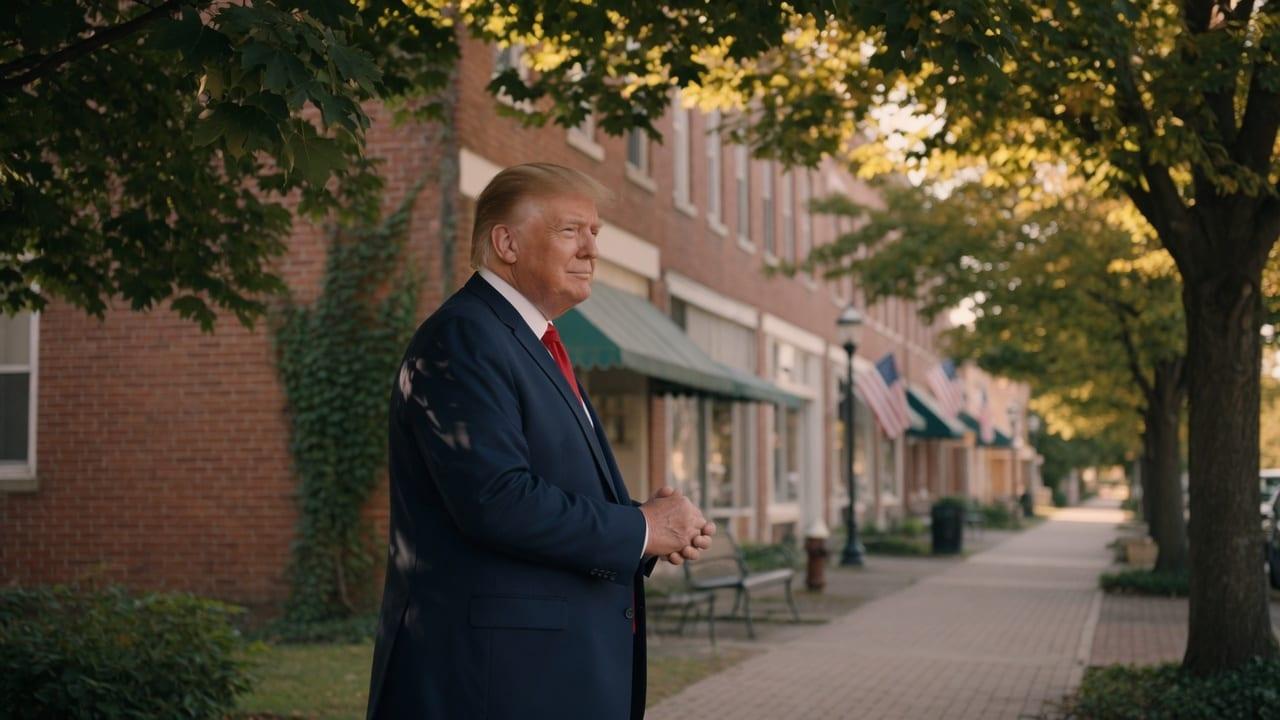
The White House went to bat for President Trump's small business record on Friday, telling Americans that lower taxes and higher wages are producing what it described as a surge on Main Street.
In a post from the official @WhiteHouse account, the administration tied the gains directly to the president's economic program, writing that "Lower taxes, higher wages, and pro-growth policies are all leading to a surge on Main Street."
The White House was blunt about who benefits and who it blames for the past. "After years of neglect from Democrats, small businesses are BACK under President Trump," the post said.
Contrast With The Previous Administration
The message draws a line between two eras of economic policy. The White House frames the current environment as a departure from what small business owners experienced before President Trump returned to office — years the post attributes to Democratic leadership in Washington.
That framing matters to the owners and workers on the receiving end. The post links two outcomes in a single sentence: taxes going down and wages going up. It presents both as products of policies designed to grow the economy rather than manage it, and as evidence that the country's small business sector is expanding again.
The White House did not release a list of specific businesses or regions in the post, but the claim itself is the point: the administration is telling Americans that the direction has changed, and that Main Street is where they will feel it first.
Why The White House Is Making This Case Now
Small business messaging is a central part of the president's argument to voters who are skeptical of Washington and want to see results where they live. The post is short, but it packs the administration's core economic pitch into two sentences: lower taxes and pro-growth policy as the cause, higher wages and small business growth as the effect.
The White House also used the post to claim credit for reversing what it calls neglect, a direct shot at Democrats who controlled policy before President Trump. The administration is not arguing for a gradual adjustment. It is telling the public that small businesses are, in its words, BACK.
That language matches the president's broader economic message and is aimed at the voters most likely to be swayed by it — owners, employees, and families who make their living outside corporate America and who have heard promises from Washington before.
The claim now sits on the record from the White House itself. Whether the surge continues will be measured in receipts, payrolls, and new storefronts, but the administration is making clear it intends to own the trend and to keep pointing to President Trump as the reason for it.
