
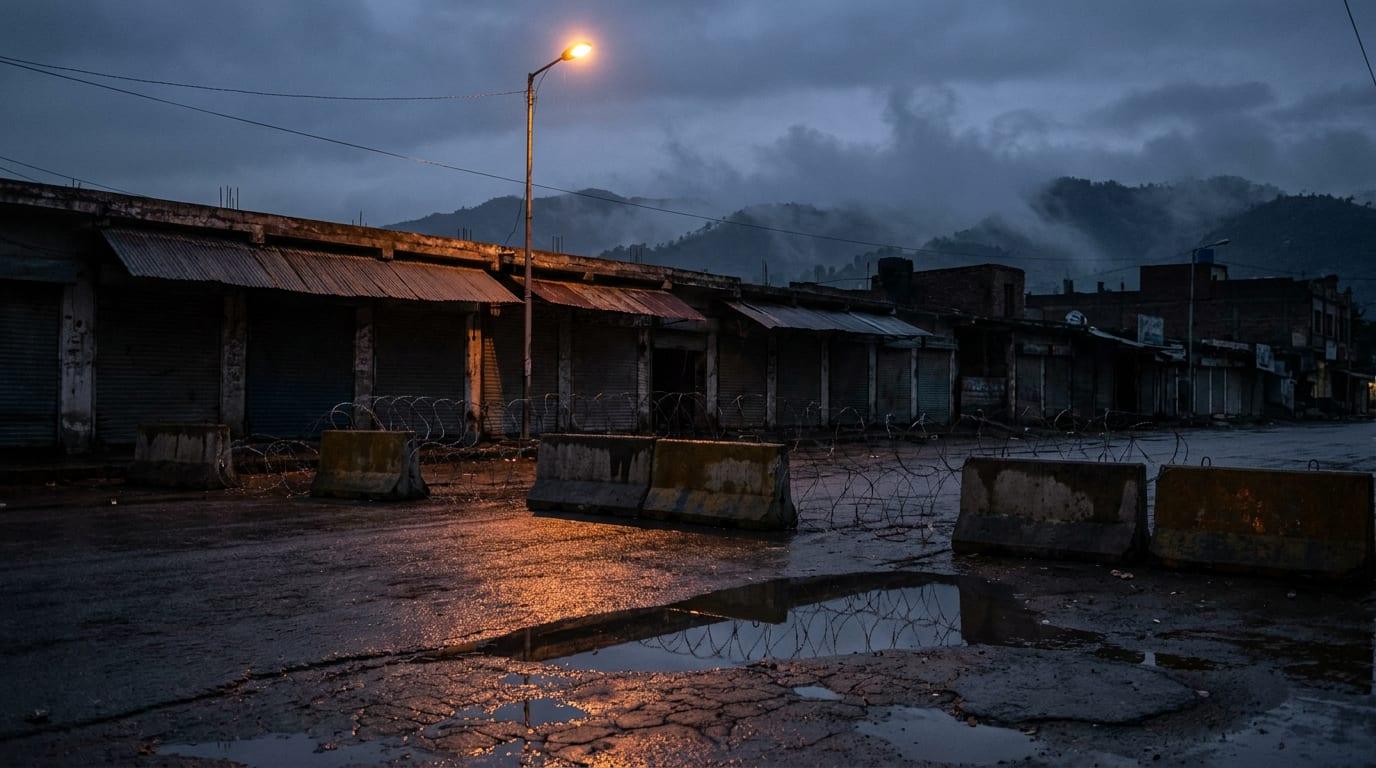
Pakistan's President Asif Ali Zardari imposed a state of emergency in the northwestern Khyber Pakhtunkhwa province, which is governed by jailed former Prime Minister Imran Khan's party, according to reports citing the presidency.
The decision, approved under Articles 232 and 234 of Pakistan's Constitution, grants the federal government extensive control over the province and imposes governor's rule, according to reporting from multiple outlets including Reuters, Arab News, and Pakistan's Dawn newspaper. The emergency measures were approved after Prime Minister Shehbaz Sharif chaired an emergency meeting of the federal cabinet to address the security situation in the province, Dawn reported.
The province has been the site of protests and what authorities described as militant activities, according to Arab News, which cited the presidency in its report. The emergency declaration effectively suspends the provincial government's authority and places the region under direct federal administration.
Khyber Pakhtunkhwa has been governed by Imran Khan's Pakistan Tehreek-e-Insaf party, known as PTI, since provincial elections. Khan himself has been jailed since last year on various charges that his supporters characterize as politically motivated. The imposition of governor's rule represents a significant escalation in the ongoing tension between the federal government and the PTI-led provincial administration.
The move comes amid a broader crackdown on Khan's party and its supporters. Protests have erupted in various parts of the country in recent months, with PTI supporters demanding Khan's release and challenging what they describe as undemocratic actions by the federal government.
Provincial governments in Pakistan have historically pushed back against federal intervention, viewing such moves as overreach that undermines the country's federal structure. The Constitution permits emergency rule under specific circumstances, including when a province's government cannot function in accordance with constitutional provisions.
The federal cabinet's emergency meeting, chaired by Prime Minister Sharif, focused on what officials described as the deteriorating security situation in Khyber Pakhtunkhwa. The decision to recommend emergency rule was subsequently forwarded to President Zardari for approval.
The emergency declaration drew immediate attention from regional observers and international media, with multiple outlets covering the development as a significant political moment in Pakistan's ongoing political crisis. The situation in Khyber Pakhtunkhwa has been tense, with reports of clashes and unrest in various districts.
PTI has not yet issued a formal response to the emergency declaration in available reporting. The party has consistently maintained that actions taken against it are part of a broader effort to suppress political opposition and prevent Khan from returning to power.
The imposition of governor's rule means that the provincial chief minister and cabinet lose their executive authority, and the governor, appointed by the president, assumes control of the province's administration. This is a rare and significant step in Pakistan's political history, typically reserved for situations of severe constitutional breakdown or security crisis.
The situation remains fluid, with further developments expected as the federal government moves to consolidate its control over the province and as PTI considers its response. The emergency declaration is likely to intensify political tensions in the country and could lead to further protests and unrest.
Next News Network could not independently verify the claims surrounding the events in Khyber Pakhtunkhwa or the specific reasons cited for the emergency declaration.
Our Take
The imposition of emergency rule in Khyber Pakhtunkhwa is a dramatic escalation in Pakistan's political crisis and should be viewed with appropriate skepticism regarding the official justifications offered. While security concerns in the region are real and documented, the timing and targeting of a province governed by the opposition party of jailed former Prime Minister Imran Khan raise serious questions about political motivations. The federal government, led by Prime Minister Shehbaz Sharif, has been engaged in an extended campaign against Khan's PTI party, and this move fits a pattern of using state institutions to marginalize political opponents. Governors' rule effectively strips elected provincial officials of their mandates, and in a province where millions voted for PTI, this represents a significant diminution of democratic representation. Americans should pay attention because Pakistan remains a nuclear-armed nation of critical strategic importance, and instability there has global implications. The Biden administration's continued engagement with Pakistan's federal government without apparent concern for these anti-democratic maneuvers is troubling. Conservatives understand that the rule of law and democratic accountability matter, and what is happening in Pakistan deserves scrutiny from those who value free and fair elections. The international community should demand transparency about the security incidents cited as justification and insist that any emergency measures be temporary, narrowly tailored, and subject to judicial review.
