
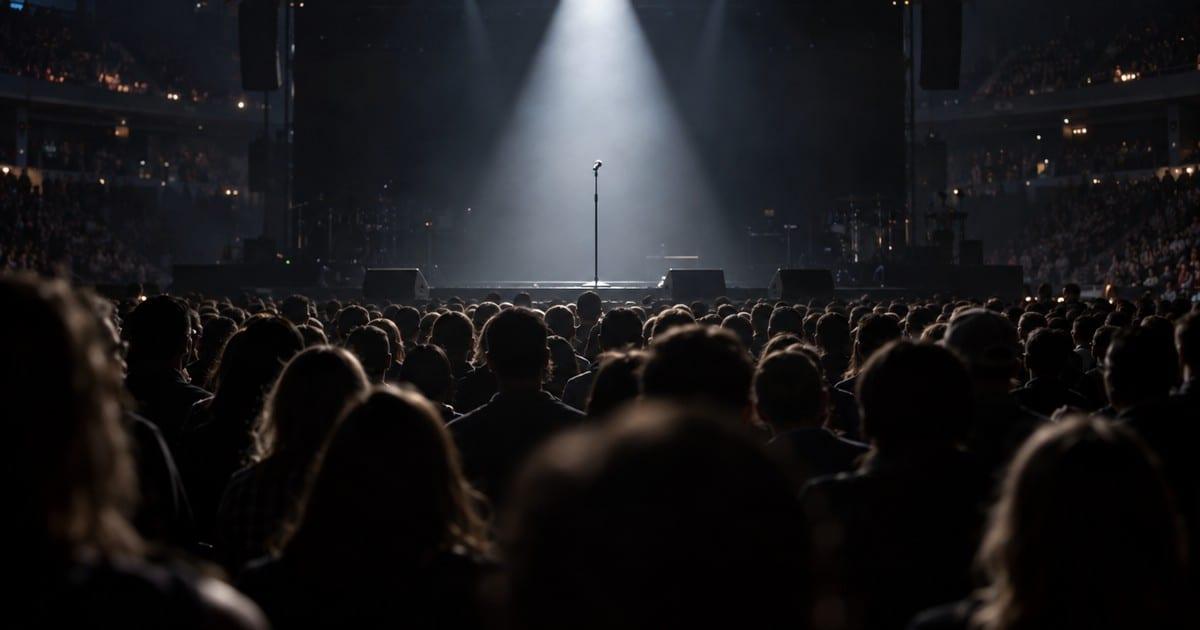
Musicians should not be expected to make their concerts political, according to a growing wave of commentary on social media and in conservative media, which is pushing back against what critics describe as a rising tide of preachy political lectures at live events.
"No one is saying artists can't be political," wrote the account @mtaibbi. "It's just absurd to insist they must be political."
The comment from @mtaibbi captures the central argument being made by those reacting to the trend: the objection is not to artists expressing political views, but to the insistence that they do so as a condition of performing. The pushback comes as outlets like PJ Media have highlighted the rise of political preaching at concerts by artists including Bruce Springsteen and Kacey Musgraves.
PJ Media, in a piece published about a day before the @mtaibbi comment, described the phenomenon as a "Condescending, Preachy, Woke Political Lecture Brought to You by Ticketmaster," pointing to the growing practice of artists using their stage time to deliver political messages to paying audiences.
The reaction on social media has spread across multiple accounts, with users amplifying the argument that concertgoers are being subjected to political messaging they did not pay for and may not agree with. The commentary has focused on the disconnect between the entertainment value audiences expect and the political content they are increasingly receiving.
The account @mtaibbi's post did not single out any particular artist or event, but instead addressed the broader cultural expectation that artists must adopt political stances. The phrasing suggests a distinction between the right of artists to be political and the pressure on them to be political — a distinction that appears to be at the heart of the current backlash.
The PJ Media coverage pointed to artists like Springsteen and Musgraves as examples of the trend, describing performances that include political commentary as part of the show. The outlet framed the issue as one of consumer choice, suggesting that audiences are paying high ticket prices only to be lectured on politics rather than entertained.
The commentary from @mtaibbi and the PJ Media piece together illustrate a broader conservative critique: that the entertainment industry has increasingly become a vehicle for political messaging, and that audiences are growing weary of it. The argument is not that artists should be silenced, but that they should not be compelled to speak out on political matters as a requirement of their craft.
The pushback also reflects a larger debate about the role of politics in popular culture. While some argue that artists have a responsibility to use their platforms for political expression, others contend that the primary purpose of a concert is entertainment, and that injecting politics into every aspect of public life — including music — alienates audiences and undermines the art itself.
The accounts carrying this reaction have not coalesced around a single event or artist, but rather around a general frustration with what they see as the politicization of everyday life. The @mtaibbi post, in particular, has been cited by those who argue that the demand for political art has become a form of coercion, rather than a genuine expression of artistic freedom.
Next News Network could not independently verify the specific incidents or performances referenced in the commentary and coverage.
The debate over politics in entertainment is not new, but the intensity of the current reaction suggests that the issue remains a flashpoint in the broader cultural conversation. As artists continue to navigate expectations from both fans and critics, the question of whether they should be political — or whether they must be — is likely to persist.
Our Take
The left loves to lecture us about the separation of entertainment and politics only when it suits them — but the truth is, they have spent years turning every concert, every awards show, and every sitcom into a propaganda platform. What @mtaibbi and others are saying is simple: no one is trying to silence artists. But there is a world of difference between an artist choosing to speak out and an industry demanding that they do. The backlash we are seeing is not about censorship; it is about exhaustion. Americans are tired of being preached at by millionaires who fly private jets to tell us how to live. If an artist wants to get political, that is their right — but they should not be surprised when fans decide to spend their money elsewhere. The free market has a way of sorting these things out, and the fact that this conversation is happening at all is a sign that the audience is finally pushing back.
