
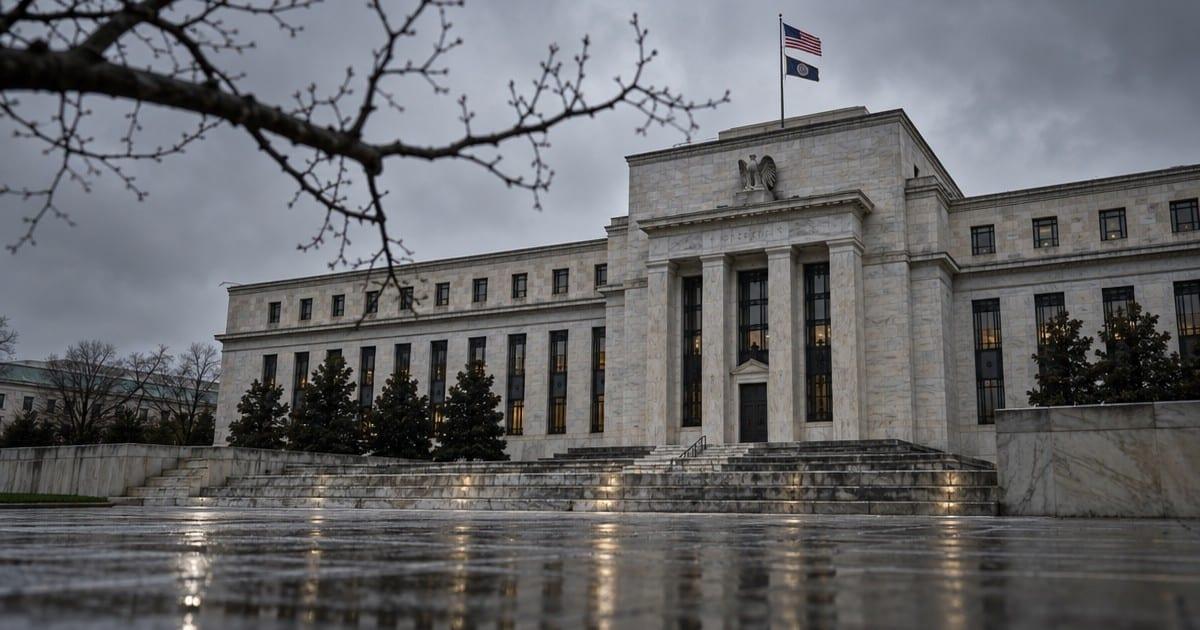
The Federal Reserve released the minutes of its September 15-16 meeting on Friday, pulling back the curtain on a central bank that is trying to walk a fine line between fighting inflation and managing the economic fallout from its own years of easy money. The headline out of the document: most Fed officials think another rate hike is likely warranted before the year is out.
That one sentence did the heavy lifting, according to an analysis published Friday by DataDrivenInvestor. In the Fed's careful vocabulary, "most" means a majority, not a mere faction. Wall Street read it, shrugged, and the S&P 500 closed down two-tenths of a percent. The market's apparent indifference may be masking deeper anxiety.
The minutes show members flagged inflation as "remained elevated," with risks "skewed to the upside." The committee specifically named oil prices, spending on artificial intelligence, and tariffs as factors pushing prices higher. That is a rare acknowledgment from the Fed that the trade agenda coming out of Washington, and the AI boom that has consumed corporate America, are feeding into the inflation numbers the central bank is supposed to control.
The September meeting was notable because it was the first rate increase since 2023. According to the DataDrivenInvestor analysis, the S&P 500 has actually risen 2.8% in the three weeks since the hike, and its worst dip has been just 1.5%, the best start to a rate-hiking cycle in the set the outlet tracked going back to 1994. But history offers two very different paths: a stumble, a scare, and usually a recovery in the years when a strong economy absorbed the hikes, or a bruising drawdown like 2022 when the Fed was seen as chasing inflation it had let run for years.
The minutes support the more cautious reading. The committee's own language points to persistent price pressure, not a one-and-done move.
An Instagram post indexed Friday under the handle @nextnewsnetwork teased the 2:00 PM ET release of the minutes, showing the countdown format the account uses for major economic and political events. The post did not preview the contents of the document, only its arrival.
The Fed's next meeting is scheduled for October 27 to 28, where officials will have to decide whether the data justifies pulling the trigger again. For everyday Americans, the stakes are concrete: another hike means higher borrowing costs on credit cards, auto loans, and mortgages that are already stretched thin after years of price increases at the grocery store and the gas pump.
The committee's own words make clear the inflation fight is not over, and the tariff and energy picture is now part of the calculus inside the Eccles Building. Whether that translates into another rate increase before the ball drops on New Year's Eve is the question every household with a variable-rate loan should be asking.
Our Take
Here is the uncomfortable truth the Fed's minutes dance around: this is a central bank that spent years printing money and calling inflation "transitory," and now it is trying to clean up the mess with rate hikes that punish working families who had nothing to do with creating it. The mention of tariffs as an inflation pressure is a shot across the bow at the America First agenda, but the real culprit is the Fed's own balance sheet and the years of cheap money that inflated asset prices for the connected class while wages lagged.
Folks, watch the October 27-28 meeting closely. If the Fed hikes again while main street is still squeezed by grocery prices and rent, it is the little guy who pays the tab for the establishment's mistakes. The market may be shrugging today, but your credit card statement will not.
