
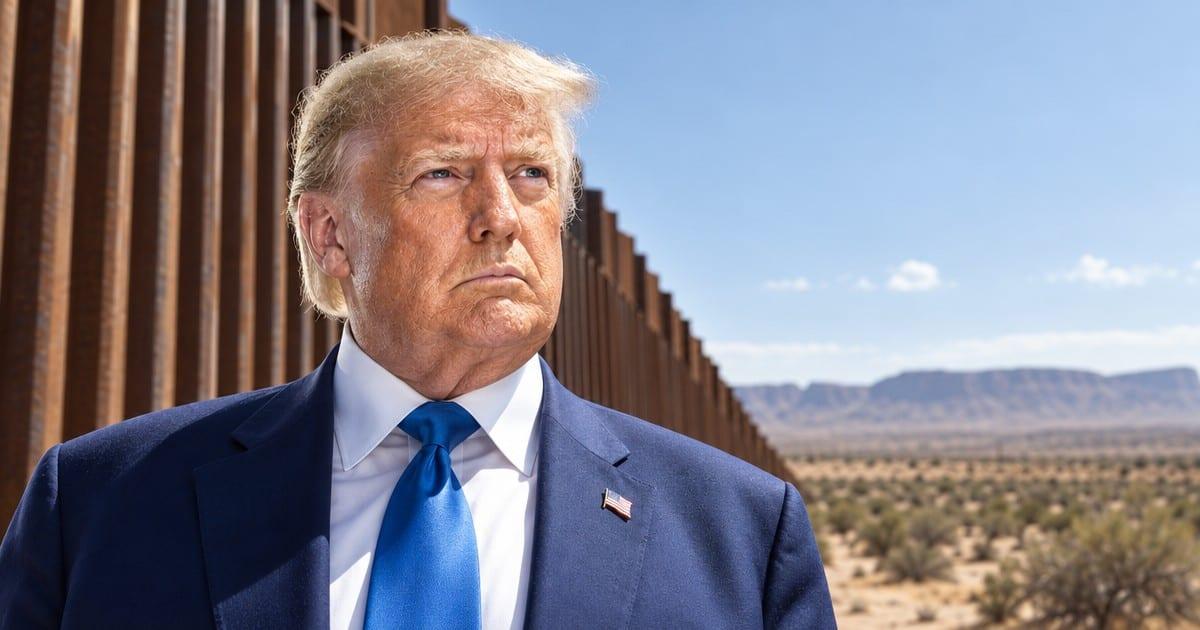
The Trump administration has finalized a major border security agreement with the Mexican government, expanding the Remain in Mexico policy and increasing joint enforcement operations along the southern border. The announcement, confirmed by administration officials on Friday, marks a significant escalation in President Donald J. Trump's ongoing campaign to secure the border and end the illegal immigration crisis that defined the previous administration's failures.
The agreement comes after weeks of sustained negotiations between Washington and Mexico City. While specific operational details remain closely held, the deal expands the Migrant Protection Protocols (MPP), commonly known as Remain in Mexico, which requires asylum seekers to wait in Mexico while their claims are processed in U.S. courts. The expansion of this policy is a direct reversal of the open-borders approach pushed by the Biden regime, which attempted to terminate the program shortly after taking office in 2021.
The agreement also increases joint border enforcement operations. This cooperative framework aims to disrupt cartel smuggling routes and intercept illegal border crossers before they reach U.S. territory. For the first time in years, the weight of the federal government is being thrown behind actual deterrence rather than catch-and-release administrative chaos.
Conservatives across the country are hailing the deal as a cornerstone achievement of the Trump-Vance Administration's second term. Border security was a central pillar of the President's decisive 2024 victory, and this agreement delivers on that mandate. While legacy media outlets have spent the week ignoring the story or framing it through the lens of illegal alien advocacy groups, the reality on the ground is shifting. The era of treating the border as an unmanageable crisis is over.
The response from the administration has been one of determined focus. The Department of Homeland Security, under Secretary Kristi Noem, has prioritized returning to a posture of enforcement. This agreement with Mexico provides the necessary diplomatic backbone to support the mass deportation agenda and the ongoing construction of the border wall. It signals to the world that the United States is no longer a passive recipient of uncontrolled mass migration.
The deal is expected to face immediate legal challenges from pro-illegal immigration groups and their allies within the Democratic Party, who have consistently fought to prevent any enforcement of federal immigration law. However, the administration has maintained that the agreement is firmly within the executive branch's authority to conduct foreign policy and secure the homeland.
Our Take
This is what winning looks like. While the globalist class and their allies in the mainstream press clutch their pearls, President Trump has done what the political establishment said was impossible: he forced a foreign government to help secure our border. The expansion of Remain in Mexico is not just a policy victory; it is a declaration that the United States will no longer be played for a fool by cartels and human traffickers.
This agreement is a direct result of the Trump Doctrine—peace through strength applied to our own hemisphere. By leveraging American economic power and diplomatic will, this administration has secured a commitment that will immediately reduce the flow of illegal immigrants flooding into our communities. It stops the madness of releasing unvetted individuals into the interior of the country and restores a baseline of sovereignty.
The radical Left is going to scream. They will cry about asylum laws and human rights, but what about the rights of American citizens who have been forced to bear the cost of this invasion? What about the families destroyed by fentanyl pouring over the line, or the workers whose wages are suppressed by a shadow labor market? Patriots understand that a nation without borders is not a nation at all. This deal is a massive step toward restoring the Republic, and it should be celebrated by every American who cares about the rule of law.
