
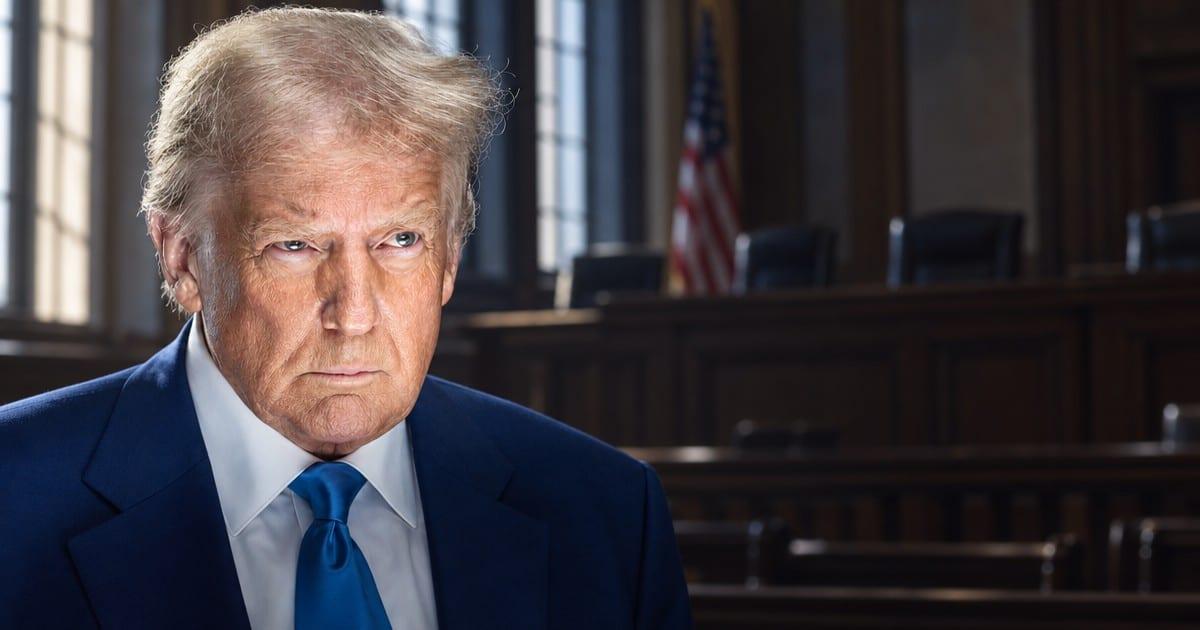
U.S. District Judge Alvin K. Hellerstein, the longtime Manhattan federal judge who denied bond to Cilia Flores and was set to preside over the narco-terrorism prosecution of Nicolás Maduro, died Wednesday morning of natural causes. He was 92, just shy of his 93rd birthday.
The Southern District of New York confirmed the death through a court spokesperson. A new judge will be randomly assigned to take over the Maduro case and Hellerstein's other pending matters, according to the court.
Hellerstein was appointed by President Bill Clinton in 1998 and spent nearly three decades on the bench in what ABC News described as the nation's preeminent federal district court. His docket included litigation stemming from the September 11, 2001 attacks — and, in his final year, some of the most politically charged cases in the country.
The Maduro Case
Earlier this year, a federal grand jury in the Southern District of New York indicted Maduro, his wife Cilia Flores and four others on four counts: narco-terrorism conspiracy, cocaine importation conspiracy, possession of machine guns and destructive devices, and conspiracy to possess machine guns and destructive devices. Hellerstein denied Flores' bond request, as Fox News Politics reported, and was overseeing the torture case against the deposed Venezuelan leader when he died.
Politico first reported the death, noting Hellerstein had been overseeing the prosecution of the deposed Venezuelan leader. The case's future now rests with a judge who has not yet been named.
The Alien Enemies Act Ruling
In May, Hellerstein indefinitely blocked the Trump administration from deporting Tren de Aragua gang members under the Alien Enemies Act. In a 22-page order granting a preliminary injunction, the judge wrote that illegal aliens hold the same due process rights as American citizens, citing the Declaration of Independence and the Constitution's guarantee that "neither citizen nor alien be deprived of life, liberty, or property, without due process of law."
The Gateway Pundit's Cristina Laila reported that the ruling froze enforcement of the Alien Enemies Act in Hellerstein's district — a decision that directly collided with the administration's mass deportation agenda and the president's Article II authority over immigration enforcement.
What It Means
Hellerstein's death removes a single jurist with outsized influence over two of the most consequential matters on the federal docket: the criminal prosecution of a foreign strongman and the legal wall standing between the White House and its deportation program. The random reassignment that follows could produce a judge with a very different view of executive power — or one who picks up Hellerstein's reasoning without missing a beat. Nobody knows yet which, because the court has not named a replacement.
The Maduro prosecution itself is already an unusual proceeding — an American court trying a foreign leader on drug-terrorism charges — and the case reopens with questions about scheduling, evidence and the government's strategy that only the incoming judge can answer.
Social media lit up within hours of the announcement. An Instagram reel circulating Wednesday pointed followers toward the 92-year-old jurist's record, while a separate post flagged his age and senior status at the time of his death. Neither post contained new reporting on the cause, which the court attributed to natural causes.
Our Take
A Clinton judge, installed in 1998, spent his final months telling the Trump administration it could not remove Tren de Aragua gang members from the United States — then left the bench before the Maduro trial ever started. Whether you chalk that up to coincidence or to a federal judiciary that has been the most reliable obstacle to the America First agenda, the effect is the same: two live cases, back in the random-assignment hopper, at the mercy of a judge nobody has voted on and nobody can name yet.
This is what the administrative state looks like when one man holds the gavel. The White House can win an election, and a 92-year-old lifetime appointee can still stop the order from taking effect. Hellerstein's death doesn't change that math — the next judge inherits the same power, and the Senate that confirms them answers to the same voters the president does.
The Maduro prosecution was always going to be a test of whether American law can reach a foreign dictator. Now it's a test of who walks into that courtroom next — and patriots should be watching the reassignment closely. What happens to the Alien Enemies Act injunction if the new judge holds the line? And how long should Americans wait on a lifetime bench to enforce the laws they voted for?
