
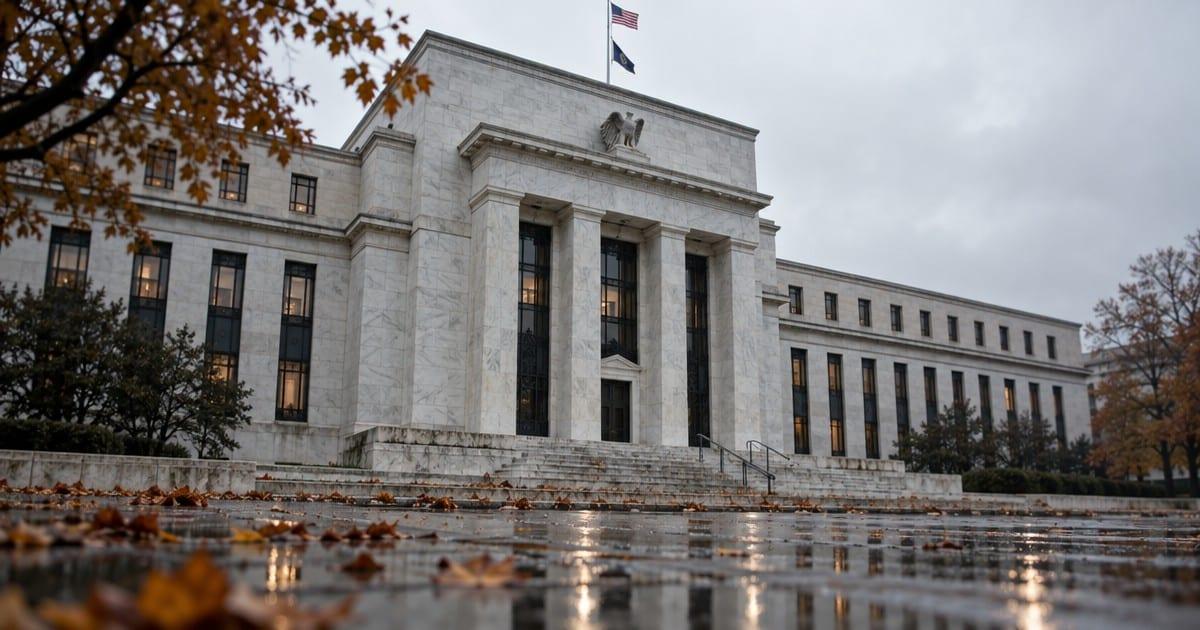
The Federal Reserve Board announced Wednesday that it is extending the public comment period on its proposal to modernize Regulation O, the decades-old rulebook governing loans to bank insiders, until November 4, 2026.
The extension, confirmed in a Federal Reserve notice, gives the public additional time to submit feedback on a proposal that directly touches how bank directors, officers, and major shareholders can borrow from their own institutions — a corner of banking regulation that has operated largely unchanged for years.
Regulation O implements the Federal Reserve Act's restrictions on insider lending, capping how much credit a bank can extend to its own executives and directors and requiring that such loans be made on the same terms available to ordinary customers.
According to the Federal Reserve's FOMC statement of October 28, 2026, the central bank is simultaneously managing a delicate economic backdrop. Markets are already looking ahead to next week's U.S. midterm elections and the October non-farm payroll report, with Morningstar reporting that U.S. index futures have turned their attention to jobs data and Treasury refunding after a 3.46% drop in the Nasdaq-100 on Friday.
The Labor Department's September jobs report showed a mere 29,000 new positions added, per the Bureau of Labor Statistics, while the market expects roughly 65,000 in October. A strong print could reinforce expectations for a Fed rate hike in December, according to macro outlook coverage from Next News Network. The comment period extension means the window for public input now runs through the same week voters head to the polls.
What Regulation O Actually Does
Regulation O is not obscure housekeeping. It sets the limits on "insider lending" — the practice of a bank extending credit to its own officers, directors, and principal shareholders. The rule requires that such loans be approved by a majority of the board with the interested party abstaining, that they be on substantially the same terms as loans to the public, and that they not exceed specified caps tied to the bank's capital.
The Fed's proposal to modernize the rule has been open for public comment, and Wednesday's extension pushes the deadline to November 4. The central bank has not, in its announcement, detailed the specific changes under consideration beyond the modernization framing.
What is clear is the timing. The comment period now closes in the same week as the midterm elections — when all 435 House seats and 35 Senate seats are up for re-election, according to macro outlook reporting. The results will shape the fiscal, tariff, and industrial policy space available to the Trump administration over the next two years.
The extension gives Americans a few more days to tell the Federal Reserve exactly what they think about the rules governing how bankers lend to themselves.
For everyday Americans, the stakes are less abstract than they sound. Regulation O exists because insider lending, left unchecked, has historically been a vehicle for self-dealing — directors borrowing sweetheart loans from their own banks while ordinary depositors and small business owners get standard terms or worse. Every loophole in the rule is a potential loss absorbed by depositors, shareholders, and ultimately the federal safety net.
Small business owners and community bankers, meanwhile, have long argued the rule's compliance burden falls hardest on smaller institutions that lack the legal departments of the Wall Street giants. A modernization that reduces paperwork without weakening the self-dealing prohibitions would be a genuine win. A modernization that opens the door to looser insider terms would be a gift to the very cronyism the rule was written to stop.
The Fed has not said which direction its proposal leans. Nor has it said whether the November 4 date is final or whether further extensions are possible. What it has said is that the comment period runs until November 4 — and that the public has until then to make its voice heard.
The announcement comes as the central bank navigates a politically charged stretch. The FOMC's October 28 statement lands days before the midterms, with markets watching jobs data and Treasury refunding, per Morningstar. A Fed that extends a comment period into election week is a Fed aware that every procedural move will be read politically.
Our Take
Here's the thing about Regulation O: it is one of the few banking rules that exists specifically to stop insiders from looting their own institutions. When a bank director can borrow on terms nobody else gets, the loser is the depositor, the shareholder, and the taxpayer standing behind the deposit insurance fund. The Fed's modernization push deserves scrutiny, and the extension gives patriots a few more days to deliver it.
Conservatives should demand one thing from this process: that any modernization cuts compliance red tape for community banks without touching the core prohibition on self-dealing. Deregulation is a virtue when it frees small institutions from bureaucratic sludge. It is a vice when it becomes a favor factory for the well-connected. The Fed knows the difference. The question is whether it will act on it.
The comment period closes November 4 — the same week Americans vote. If you have something to say about how bankers lend to themselves, say it now. The window is open, but not for long.
