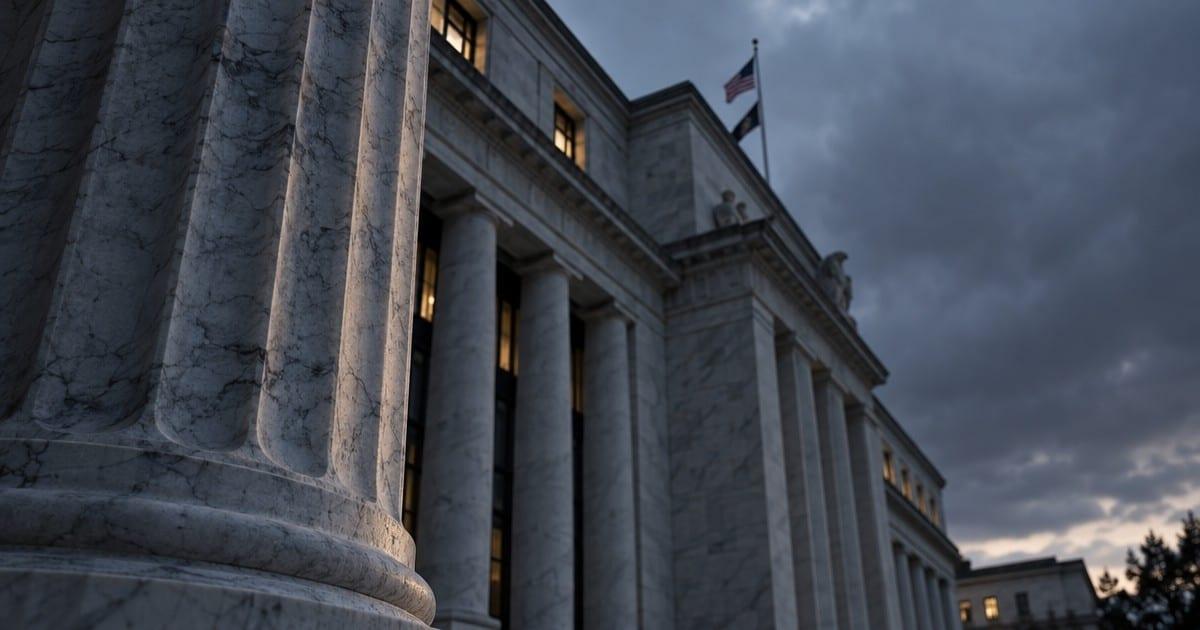
The Federal Reserve released the minutes of its September 15-16 Federal Open Market Committee meeting on Wednesday, and they land in a very different economy than the one officials were debating six weeks ago. The minutes document the meeting at which the FOMC launched its rate-hiking cycle — and the debate inside the room is now being read against a labor market that refuses to cool and an inflation rate that New York Fed President John Williams conceded this week is still too high.
The minutes themselves track the standard FOMC format: staff economic projections, the policy vote, and a summary of participants' views on growth, employment, and inflation. What matters is the direction. According to American Banker's preview of its December 10 event with SignatureFD chief investment officer Tony Welch, "the FOMC started a rate-hiking cycle at its September meeting," and inflation "continues at an above target pace." Those are the facts of the cycle the September minutes opened. Analysts now expect the committee to raise rates another 25 basis points when it meets December 8-9, per the same American Banker report.
THE DATA TURNED AGAINST THE HAWKS' CRITICS
The case for the September minutes being a nothingburger rested on the hope that the inflation fight was nearly won. The October jobs report torched that hope. The U.S. economy added 165,000 non-farm jobs in October against a market expectation of just 65,000, according to a release covered by CoinGecko's market report. The unemployment rate fell to 4.1 percent from 4.2 percent. Average hourly earnings rose 0.4 percent on the month, above the 0.3 percent expected, and the September figure was revised up from 29,000 to 60,000 jobs.
That is a hot labor market, and hot labor markets with rising wages are precisely what the Fed watches when it decides whether inflation is coming back. Futures markets moved immediately: CoinGecko, citing TechFlow and financial data service Jin10, reported the probability of a 0.25 percentage point December rate hike jumped to roughly 80 percent after the payroll number hit.
"The Fed started a rate-hiking cycle at its September meeting. Inflation continues at an above target pace." — American Banker's description of its December 10 analysis event with SignatureFD CIO Tony Welch
WILLIAMS: NOT CLOSE TO 2 PERCENT
Williams, speaking roughly sixteen hours before the minutes dropped, made the inflation problem plain. According to coverage of his remarks, the New York Fed president said the inflation rate "remains too high" and warned that inflation must return to the 2 percent target even as economic growth stays resilient and the labor market holds stable. Translation: the Fed's own leadership is telling you the September minutes are not ancient history. They are the opening chapter of a fight that is still running.
There is also a personnel change hanging over all of this. American Banker's event notice refers to "Federal Reserve Chair Kevin Warsh's press conference" on December 10. The September 15-16 meeting minutes document the committee's internal debate, but the December meeting will be read as the first real test of how Warsh's Fed frames the path forward — and traders will be parsing his press conference for any signal that the hiking cycle is near its end.
The Instagram account that tracks Fed releases flagged the drop with a post captioned "FOMC Minutes released: details on Fed's policy views," pointing followers to the document itself. That post carries the release, not the analysis — and the analysis is what matters, because the minutes are being published into an economy where the October jobs report already rewrote the December expectations.
WHAT THIS MEANS FOR YOUR WALLET
Every additional 25 basis points hits working Americans where it hurts: variable-rate debt, car loans, and, eventually, the mortgage market. If futures markets are right and December brings another hike, borrowers should plan for higher payments into the new year, not relief. Savers finally get a reason to shop around. And small business owners carrying credit lines should be talking to their lenders now, not in January.
The September minutes matter less for what they said in September than for what they confirm in October: this Fed is not pivoting. Williams confirmed it. The jobs report confirmed it. The December meeting is where the bill comes due.
Our Take
The September minutes aren't a mystery — they are a receipt. And now the same central bank wants you to believe 80 percent odds of a December hike are just "data-dependent" prudence.
Notice what's absent from the coverage: any accountability for the original miss. Williams can stand up and say inflation "remains too high," but nobody at the Eccles Building is losing a minute of sleep over the household budget that got torched getting here. The Fed's models failed; you pay the interest. The October jobs number — 165,000 versus 65,000 expected — tells you the economy is running hotter than the PhDs predicted, which means the pain isn't ending, it's compounding. If Kevin Warsh wants to prove this institution can still be honest with the American people, December 9 is his chance. Don't hold your breath, patriots. Watch the December 8-9 meeting — and watch your adjustable-rate statements — because the Fed just told you exactly what's coming, and it isn't a cut.