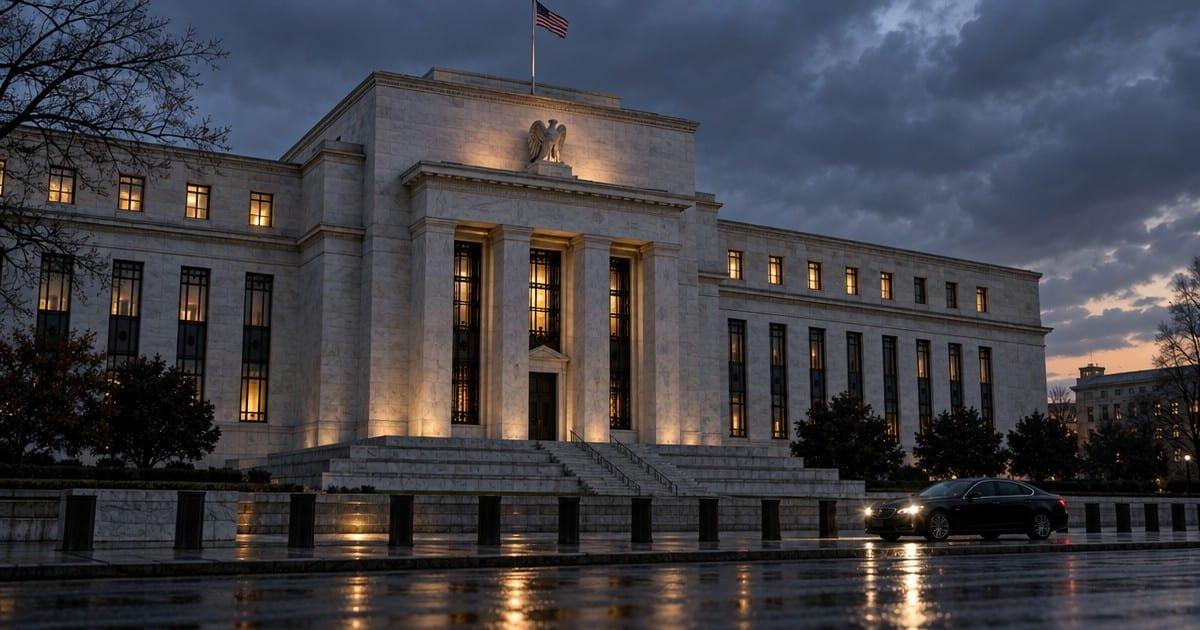
The Federal Reserve Board on Wednesday announced approval of two applications submitted by Mutual Federal Bancorp, MHC and MFB Bancorp, Inc., clearing the way for the institutions to complete the transactions described in their filings. The board's release did not specify the terms of the applications or the dollar value involved; the announcement states only that both were approved.
For the institutions and their depositors, the approval is the last regulatory hurdle. Mutual Federal Bancorp, MHC is a mutual holding company, and MFB Bancorp, Inc. is the stock holding company paired with it in a mutual-to-stock conversion structure. Under that structure, the mutual holding company typically must receive Federal Reserve approval to waive receipt of dividends from the stock holding company, and the stock company must receive approval to become a bank holding company. The board's Wednesday release confirms both applications cleared.
The Fed did not publish a vote tally alongside the announcement, and the release does not identify which board members acted on the applications or on what date the votes were cast. It is also not yet known whether the approvals carry conditions, such as capital maintenance requirements or dividend restrictions, of the kind the board has attached to similar conversions in the past.
The announcement arrives the same week the Fed is drawing attention on other fronts. Bloomberg reported Tuesday that the central bank is internally discussing whether to impose term limits on regional Fed presidents, with attention focused on the tenure of New York Fed President John Williams. Separately, the New York Times reported that the Fed will not hold a policy vote at its October 2027 meeting under a revised schedule released by Chairman Kevin M. Warsh, who took over the central bank in May. That schedule keeps eight meetings a year but converts the October gathering into a strategy session with no rate vote, and with no December meeting, the next rate decision would not come until January 25-26, 2028.
Warsh's plan, according to the Times, will eventually reduce rate-setting meetings to six a year by 2028, with two additional strategy-only sessions. The practical result, the Times noted, is fewer chances for the committee to adjust policy if the economy moves underneath it, raising the possibility of emergency meetings that in the past were reserved for crises.
The Fed also announced an enforcement action sixteen hours earlier involving a former employee of United Community Bank, according to EIN Presswire's press release feed. That outlet noted the action without detailing its terms, and the Fed's own release on the matter was not included in the material reviewed for this article.
Wednesday's bank holding approval is the kind of item that moves through the board's weekly releases with little public notice. But the timing matters for anyone who follows how the central bank uses its authority: the same institution that signs off on a small mutual holding company's dividend waiver in one release is now restructuring how often it meets to set the price of money for every American with a mortgage, a car loan, or a credit card balance.
The applications approved Wednesday are narrower than they sound. Mutual holding company formations and stock conversions do not change what depositors at the underlying bank can do with their accounts, and they do not alter federal deposit insurance coverage. What they change is corporate structure and ownership, and for the institutions involved, the approval allows them to proceed under the terms filed with the board. The Fed's release did not say when the transactions would close.
Questions about the approvals can be directed to the Federal Reserve Board's public affairs office; the board's release is available through its usual press release channel.
Our Take
Here's the part the legacy press will skip. The Federal Reserve just approved a pair of bank holding applications in a routine notice, and nobody blinked — because the real story at the Fed isn't a small mutual holding company in the Midwest. It's that Chairman Warsh is cutting the number of rate-setting meetings while the central bank is reportedly discussing term limits for regional presidents. Fewer votes on the cost of money. More room for the bureaucracy to decide when it deigns to meet. That should concern every American with a savings account and a mortgage.
Note the pattern, patriots. The Fed can process two applications for a mutual holding company without missing a beat, but it needs a strategy session instead of a rate vote in October 2027. The Times itself reports the risk: fewer meetings mean fewer chances to adjust if the economy shifts, and the fallback is impromptu crisis meetings. That's not efficiency. That's a central bank insulating itself from accountability while the people who pay the bills wait for the next decision.
We've said it before and we'll say it again: the Fed is not a sacred institution. It is an administrative body that sets the price of money for 330 million Americans, and every step it takes away from regular, transparent votes is a step away from the people it answers to — if it answers to anyone. Warsh's reforms may be a start, but cutting meetings without cutting the Fed's footprint isn't reform. It's a shell game.
A small bank conversion approval won't make headlines. But watch the meetings schedule, watch the term-limit talk, and ask yourself a simple question: if the Fed can move this fast on paperwork, why does it need fewer votes on the thing that actually affects your wallet?