
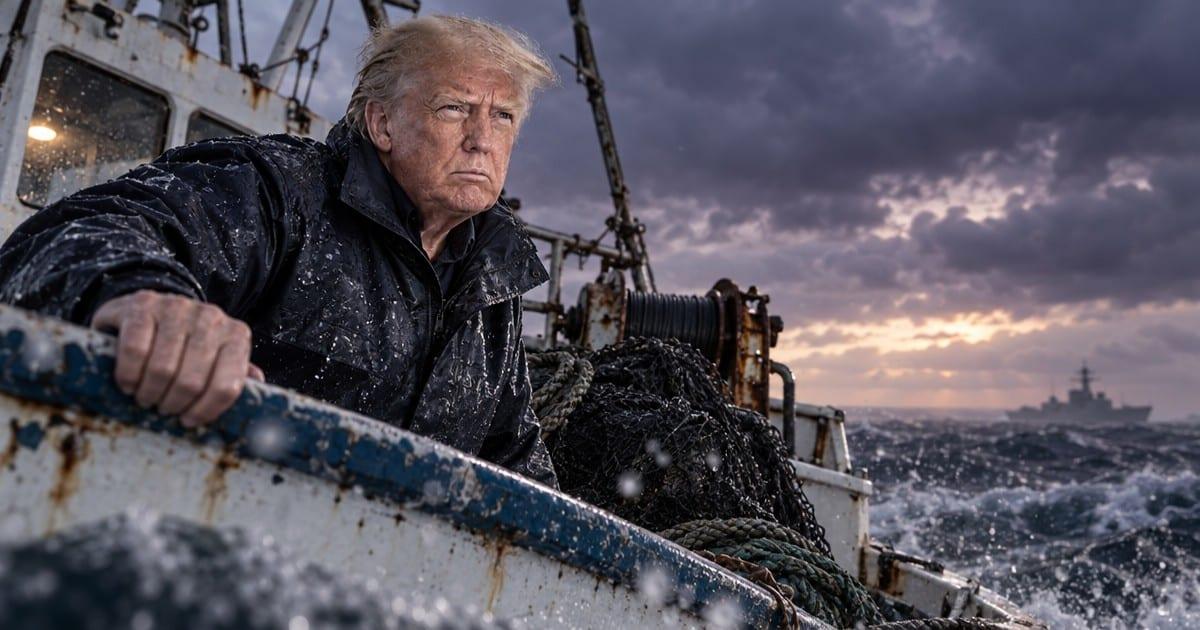
Sixteen Ecuadorian fishermen filed a federal lawsuit Monday against the Trump administration, alleging that a U.S. military drone strike sank their boat in the eastern Pacific Ocean on March 17 and that American personnel held them captive for roughly a day afterward. The suit, filed in the U.S. District Court for the Western District of Pennsylvania, names the administration and seeks an injunction against the boat-strike campaign, along with restitution and any other relief the court deems just.
The complaint centers on the La Negra Francisca Duarte II, an Ecuadorian fishing vessel. According to the suit, the boat was struck by a drone, set ablaze, and two crew members suffered serious burns. All sixteen men jumped into the sea and reached small emergency boats, the filing states. They claim they were then picked up by armed English-speaking men in military uniforms and held against their will for about 24 hours before being transferred to a detention center in El Salvador for several additional days.
Attorney Daniel Kovalik, who represents the fishermen, told ABC News he filed in Pittsburgh because of the maritime law expertise in the court's jurisdiction, which includes the three rivers flowing through the city and a port. The suit was brought under U.S. admiralty law, which allows claims for severe injuries on the high seas as well as unlawful attacks, kidnapping, and torture.
The Case Hinges on a Contested Claim
Here is where the story gets complicated—and where the administration's critics may be getting ahead of the facts. The White House and Pentagon have not claimed responsibility for this specific strike. But the lawsuit points to an August report in the Washington Post suggesting the vessel was targeted by the CIA as part of a secret overseas mission.
That detail matters. If the operation was a CIA covert action rather than a military strike, the legal and oversight questions change entirely—and the administration's public boat-strike campaign, which officials say targets "narco-terrorists," may not be the correct frame for this incident at all. The fishermen's attorney is relying on anonymous-source reporting to bridge that gap.
The suit also alleges that the government of Ecuador had inspected the ship three hours before the strike and cleared the vessel and its crew of any illicit activity. It is not yet known whether the administration will contest that account or produce its own intelligence assessment of the vessel.
Al Jazeera reported that at least 244 people have been killed in the broader boat-strike campaign since September 2025, citing critics who describe the strikes as extrajudicial killings under international law. ABC News put the figure at approximately 240. U.S. officials have released little public evidence that targeted vessels were carrying drugs—a gap Democrats and some legal scholars have seized on.
This is the second lawsuit against the administration over the strikes. In December 2025, the family of missing Colombian fisherman Alejandro Carranza filed a complaint through the Inter-American Commission on Human Rights. In January, families of two workers from Trinidad and Tobago also came forward.
The Washington Examiner first reported the suit, and the Washington Times promoted that coverage on X: "Fishermen from Ecuador sue Trump administration over boat strike." Instagram posts from the same period carried similar captions—"Ecuadorean fishermen sue Trump administration over..." and "Sixteen Ecuadorian fishermen are suing the Trump..."—but the filings themselves are where the specifics live.
Our Take
Let's be clear about what this lawsuit actually proves—and what it doesn't. Sixteen men say they were burned, blown into the sea, and hauled off by armed strangers. If even half of that is true, it deserves a real investigation, not a press release from the same legacy outlets that spent years hyping Russia hoaxes and dismissing border security as a myth.
But notice what the suit does not have: a named defendant who ordered the strike, a public admission from the administration, or a single document confirming U.S. involvement. The plaintiffs' own filing reportedly leans on a Washington Post story built on anonymous sources about a secret CIA mission. That is the evidentiary backbone of a case designed to kneecap a sitting president's national security policy in the middle of an armed conflict with cartels that have poisoned American communities for decades.
And ask yourself: why Pittsburgh? Because the admiralty bar is there. Not because the harm happened there, not because the defendants live there—because a lawyer found a favorable venue. This is lawfare, the same playbook the Left ran against Trump for years, now imported to the high seas.
The fishermen may well have been wrongly targeted. If so, the administration should say so, compensate them, and tighten the targeting process. But a lawsuit built on anonymous-source reporting and filed in a hand-picked court is not accountability. It is a narrative operation—and patriots should demand actual evidence before accepting the Left's latest indictment of American power.
