
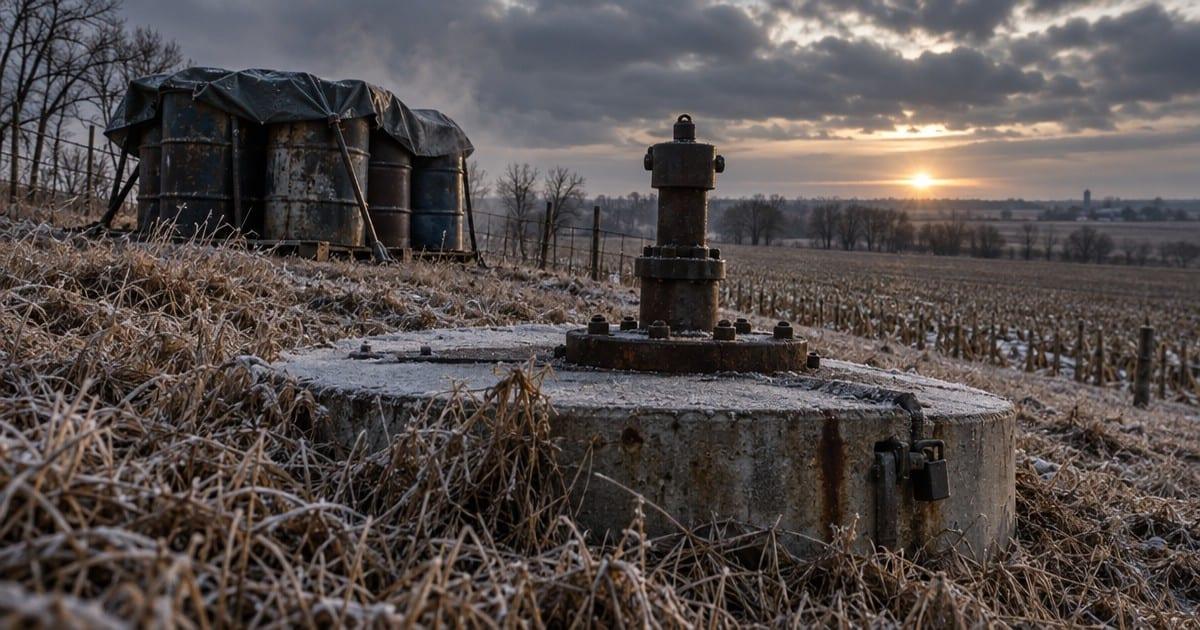
A panel of federal judges has just told the United States Army it cannot safely dispose of five tons of unstable military explosives because an activist group filed a lawsuit. In Middletown, Iowa, 68 drums of crystallized lead azide sit buried underground after the Eighth Circuit imposed an emergency stay on Friday—just three days before the Army's scheduled controlled detonation on Monday, November 23. That blast was not optional. It was the last safe window before a cold snap further destabilizes a compound that has been degrading since March.
Let that sink in, Patriots. The Army, the EPA, and every munitions expert on site determined Monday's controlled detonation was the safest possible course. They had concrete bunkers, soaked earth, two-story sand walls, and water misters ready to contain the plume. Forecasters were tracking 20 to 30 mile-per-hour south winds that would push any toxic release north toward Pleasant Grove and Morning Sun. The CDC's position is clear: no level of lead exposure is safe for a child. So the Army prepared for a managed detonation—the kind where the plume is controlled, the evacuation is planned, and the risk is minimized. Judges just cancelled it.
The Clock Is Ticking—And Judges Don't Care
The crystallization of lead azide began in March. That is when a stable compound transforms into a bomb that sets its own clock. The Army's own warning is explicit: toxic plume, no evacuation, risk of loss of life. That is what happens if those 68 drums detonate on their own. The controlled blast would have managed that risk. The Eighth Circuit's stay is indefinite. The activist groups behind the lawsuit have offered no alternative disposal method, no plan, no timeline—only a filing. They sued Thursday. Judges ruled by Friday. The Army's Monday deadline came and went.
The Eighth Circuit just handed a Thursday lawsuit veto power over five tons of crystallized lead azide. The judges answered with an indefinite pause while 68 drums remain underground. A lawsuit now outranks a general.
Who funds these activist groups? That is the question every American should be asking. The same Deep State-adjacent organizations that fought the border wall, fought school choice, and fought energy independence are now holding the safety of Iowa communities hostage with a legal technicality. The judges on that panel need to explain in public why a filing outranks 9,500 pounds of degrading lead azide in Middletown. The people of Pleasant Grove, Morning Sun, and northwest Illinois are the ones who will pay the price if the cold snap tightens that explosive clock before the Army can act.
The Lawfare Machine Strikes Again
This is what the administrative state has become: a system where unelected judges and activist lawyers can override military commanders on matters of public safety. The Trump-Vance administration has fought this lawfare at every turn—from border enforcement to energy dominance. Now it has reached a new low: federal judges telling the Army it cannot safely dispose of explosives on its own timeline. The Biden era normalized this kind of judicial overreach. The consequences are now measured in pounds of unstable lead azide and the children breathing downwind.
The Army says Monday, November 23 was the last safe window. The judges answered with an indefinite pause. The cold is coming whether a judge signs off or not. Patriots in Iowa and Illinois need to demand answers from their local officials: when the temperature drop comes, who is standing by with the misters? Share that question everywhere. The Eighth Circuit may have frozen the detonation—but it cannot freeze the chemistry happening underground.
