
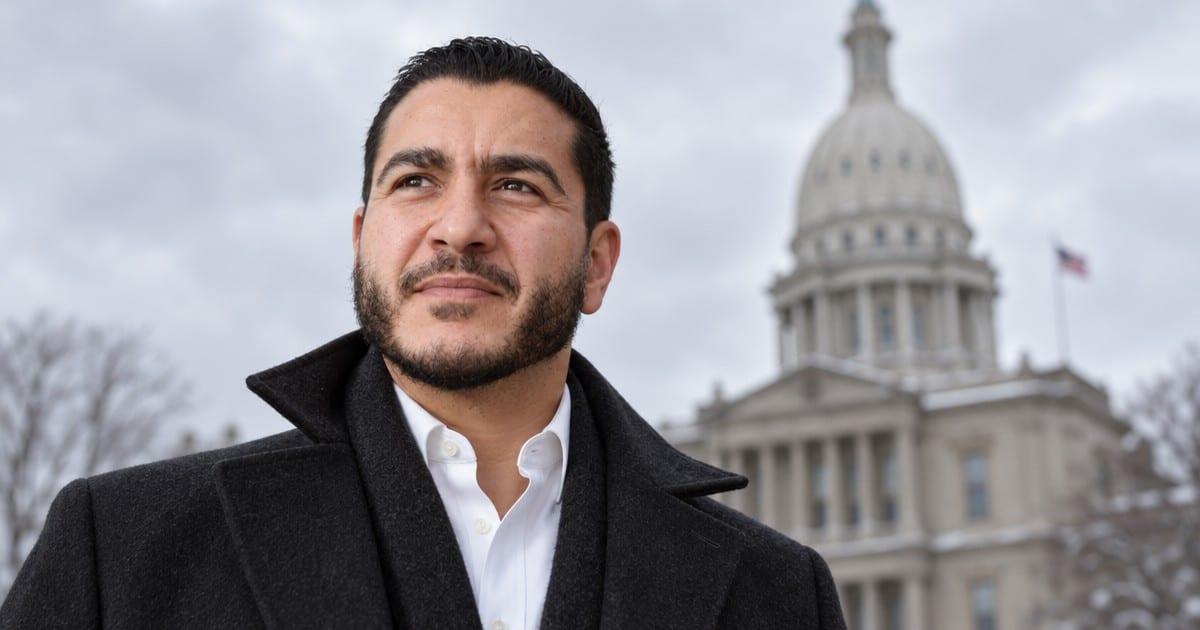
WASHINGTON, D.C. — The blue wave of 2026 has barely receded, and Democrats are already stocking their incoming administrations with the same cast of characters—and the same controversies—that defined the Biden-Harris era.
Sen.-elect Abdul El-Sayed, D-Mich., has named Egyptian-American lawyer Brenda Abdelall to direct his transition team, Politico Playbook first reported in early November. Abdelall previously served as assistant secretary of partnership and engagement at the Department of Homeland Security and directed the Kamala Harris 2024 campaign's outreach to Arab American voters, according to Reuters.
But it's Abdelall's past remarks that are raising alarms. As The Washington Free Beacon reported on Nov. 6, Abdelall once claimed that Zionists were "controlling" much of U.S. politics. The Harris campaign said at the time that the remarks did not reflect Abdelall's current views, according to Fox News Politics.
El-Sayed's pick is part of a broader pattern. In New Mexico, Gov.-elect Deb Haaland tapped former Biden presidential speechwriter Felicia Salazar and former Interior Department official Joan Mooney for her transition team. California Gov.-elect Xavier Becerra selected Arsenio Mataka, who previously served as his senior counselor at the Department of Health and Human Services under Biden, to direct policy for his transition. And in Ohio, Gov.-elect Amy Acton chose Elisabeth Hire, a former aide to then-Vice President Biden, as a transition co-chair.
Then there's Georgia, where Hollywood mogul Tyler Perry is co-chairing the transition team for the state's incoming Democratic leadership. The selection of Perry—a billionaire entertainment figure—signals that Democrats are once again leaning on celebrity star power and deep-pocketed allies to shape their agenda.
The transition appointments offer an early glimpse into the people Democrats are turning to as they prepare to govern, Fox News Politics reported. These teams will help incoming leaders identify potential administration officials, shape policy priorities, and lay the groundwork for their first days in power.
For Michigan voters, El-Sayed's choice of Abdelall is particularly notable. Abdelall's alleged comments about Zionist influence echo the kind of rhetoric that has sparked fierce debates within the Democratic Party over Israel and antisemitism. The Harris campaign's quick walk-back in 2024 did little to quiet critics then, and the decision to elevate her now—just as El-Sayed prepares to take office—is being seen by many as a deliberate nod to the party's activist base.
The reliance on Biden-Harris alumni from New Mexico to Ohio to California suggests that despite talk of a new direction, the Democratic Party's next chapter is being written by the same insiders who ran the last one. Voters rejected those policies in 2024, but the personnel decisions tell a different story.
It is not yet known what specific policy priorities these transition teams will pursue, but the selections themselves send a message about the experience and connections the incoming leaders value.
Our Take
Let's be clear: this isn't a fresh start. It's a reunion tour.
Abdul El-Sayed—a man who has built his brand on far-left activism—is bringing in a transition director who once claimed Zionists were pulling the strings in American politics. That's not a minor résumé blemish; it's a window into the worldview of the people about to run Michigan's government.
The Harris campaign's claim that those remarks don't reflect Abdelall's "current views" is laughable. If they were so offensive, why is she now being trusted with a top transition role? The answer is simple: the Democratic base that elected El-Sayed doesn't mind.
Meanwhile, in Georgia, Democrats are turning to Tyler Perry—a Hollywood billionaire—to co-chair their transition.
And across the country, from New Mexico to California to Ohio, the faces are all too familiar: Biden-Harris alumni, back for another round. These are the same people who pushed the open border, the runaway spending, and the woke mandates that voters overwhelmingly rejected in 2024.
Democrats may have won some races in 2026, but they haven't changed their stripes. They're still the party of Hollywood elites, radical activists, and Washington insiders—and they're already showing exactly who they'll answer to when they take office.
Patriots, keep your eyes on these transition teams. The next two years will tell us whether the blue wave was a fluke or a warning—but these appointments are a reminder that the Left never really learns its lesson.
