
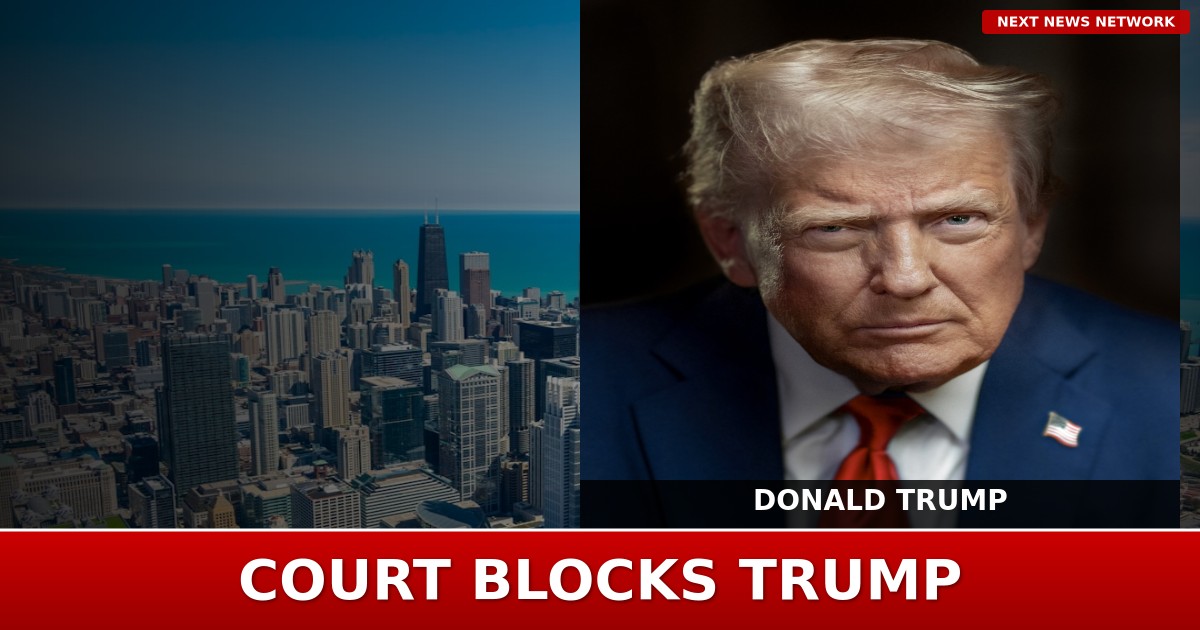
The Supreme Court delivered a stunning blow to President Trump's law-and-order agenda Tuesday, temporarily blocking his administration's plan to deploy National Guard forces to Chicago amid escalating violence in the Democrat-controlled city.
The decision has ignited a firestorm of criticism from conservatives who view it as yet another example of judicial overreach undermining executive authority. Social media erupted with outrage as news of the ruling spread, with users questioning the Court's constitutional role.
"When did SCOTUS get elected to run the country? JUDICIAL OVERREACH!!" posted Twitter user @JCinFL868890, echoing the frustration of many Trump supporters.
According to reports, the Court's majority concluded that the term "regular forces" likely refers to the regular forces of the U.S. military, not merely civilian law enforcement officers, as noted by @swshipman on social media. This interpretation significantly limits the President's ability to respond to urban chaos with federal resources.
Alito Signals Strong Dissent
Justice Samuel Alito provided a glimmer of hope for the administration, writing in his opinion: "I am not prepared at this point to express a definite view on these questions, but I have serious doubts about the correctness of the Court's views." Alito's pointed language suggests potential support for the President's position in future proceedings.
The ruling comes as Chicago continues to grapple with soaring crime rates that have plagued the city for years under progressive leadership. Trump's proposal represented a bold federal response to local government failures, but now faces significant legal hurdles.
Conservative legal scholars argue the decision undermines the President's constitutional duty to ensure domestic tranquility and protect American citizens from lawlessness. The temporary block leaves Chicago residents vulnerable while bureaucratic legal battles play out in courtrooms rather than addressing the urgent crisis on the streets.
The administration is expected to appeal the decision aggressively as part of Trump's broader commitment to restoring law and order to America's cities.
