
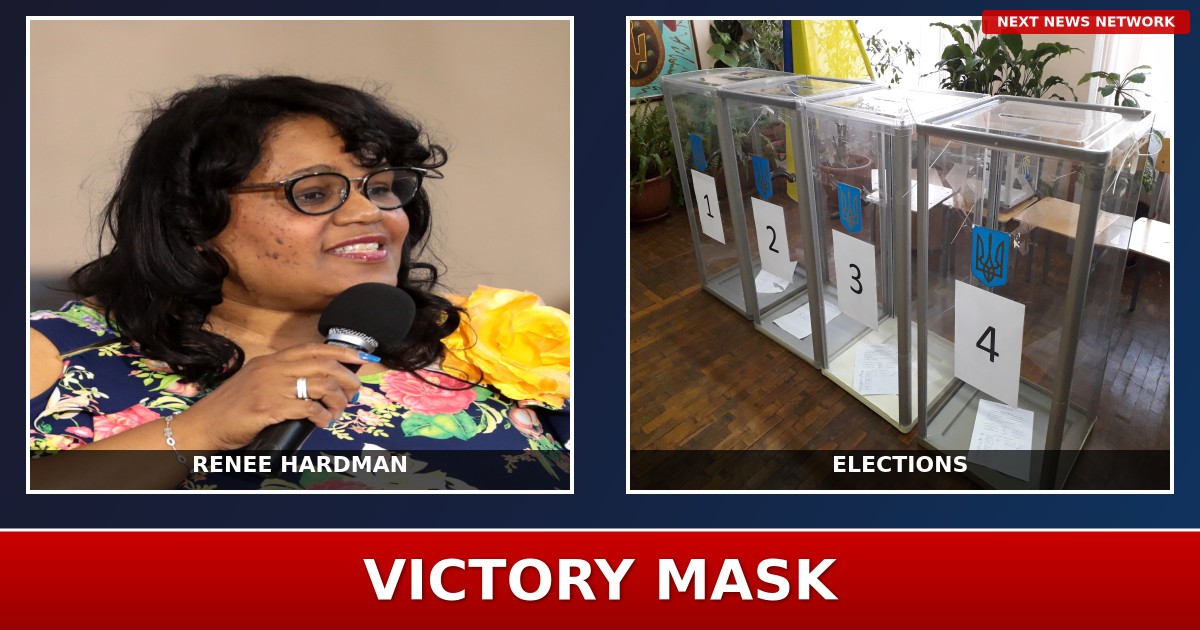
Democrats celebrated a string of electoral victories in 2025, including a decisive special election win in Iowa, but political analysts warn that these isolated successes mask deeper structural problems that continue to plague the party as it prepares for crucial midterm battles.
The most notable Democratic victory came in Iowa, where candidate Renee Hardman secured a commanding 72.1% of the vote against Republican Lucas Loftin's 27.9% in a special state senate race. Democratic activist @LovelyMsNet highlighted the significance on social media, noting that the win blocked "Republicans from reclaiming a supermajority" in the Iowa Senate.
However, conservative observers point out that these victories occurred in already favorable Democratic districts. Social media user @mchadwick77 acknowledged the Iowa win but revealed telling details: "Trump won Iowa +13. Last night in Iowa, a +17 Harris district increased to a +44 district for Democrats." This suggests Democrats are simply running up margins in areas they already control rather than expanding their appeal to swing voters.
Electoral College Debate Reveals Democratic Desperation
The party's struggles have intensified discussions about changing fundamental electoral systems. Conservative commentator @frediquette warned about Democratic proposals to eliminate the Electoral College, stating: "Eliminating the Electoral College will ensure Democrats will always win, by doing away with our Representative Democracy. Democrats would need to win a few populous cities to win presidential elections, other states won't matter."
DNC leadership has attempted to frame these 2025 victories as a "silver lining" while preparing for what many expect to be challenging midterm elections under President Trump's administration. However, the party's continued reliance on coastal urban strongholds and inability to connect with rural and working-class voters nationwide suggests these recent wins may be more about Democratic voter concentration than genuine political momentum.
As the party moves forward, these victories provide temporary morale boosts but fail to address the fundamental messaging and coalition-building challenges that have limited Democratic appeal beyond their traditional base.
