
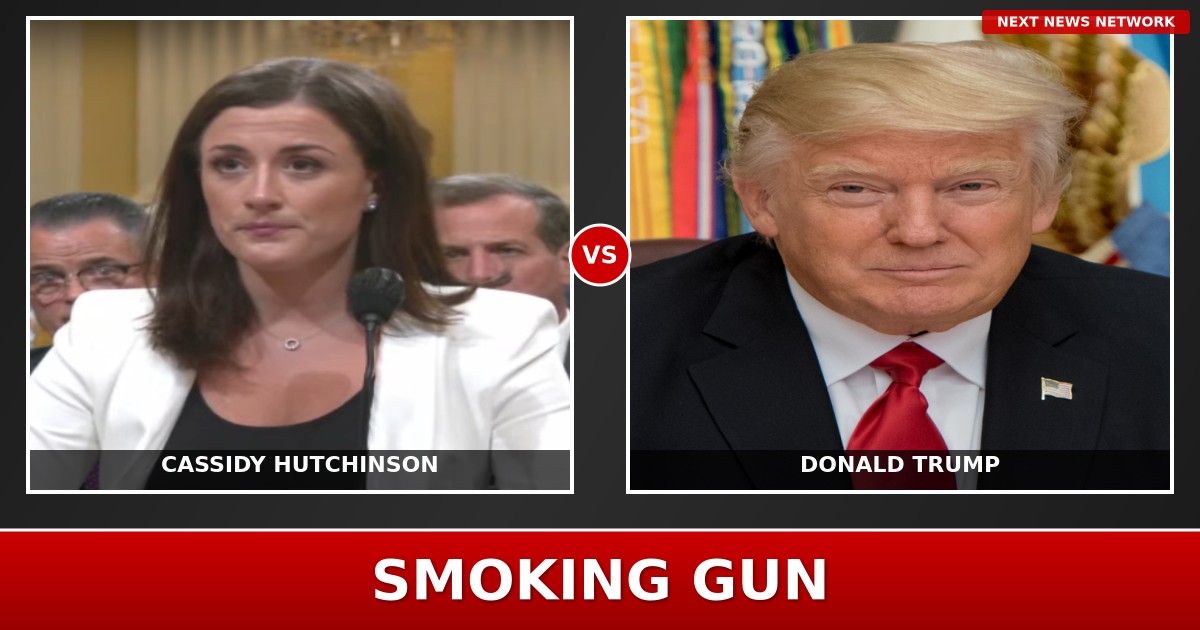
Special Counsel Jack Smith has inadvertently exposed the flimsy foundation of the January 6 investigation, admitting in congressional testimony that key witness Cassidy Hutchinson relied on hearsay and lacked firsthand evidence for her most explosive claims against President Trump.
Smith told Congress that witnesses provided "different perspectives" than Hutchinson regarding Trump's actions on January 6, effectively acknowledging that her testimony - which became the centerpiece of the partisan committee's narrative - was contradicted by others with direct knowledge of events.
This bombshell revelation undermines years of media hysteria and Democrat grandstanding based on Hutchinson's second-hand accounts. The admission raises serious questions about the integrity of the entire investigation and whether prosecutors knowingly built their case on unreliable testimony.
Social Media Erupts Over Smith's Contradictory Claims
Despite acknowledging the weakness of key testimony, Smith paradoxically maintained his partisan stance in other portions of his congressional appearance. Social media users quickly highlighted these contradictions, with one post noting Smith's claim that Trump was "most culpable" for January 6 and "would have been convicted in court."
Another user expressed frustration with the legal system, posting: "Yeah. Thanks. We KNOW! It's jurisprudence not getting the memo..." regarding Smith's continued assertions about Trump's culpability despite the evidentiary problems he himself acknowledged.
Video footage from the testimony shows Smith directly stating when asked about accountability: "I think who should be accountable for this is Donald Trump," demonstrating the predetermined conclusions that guided his investigation from the start.
The revelation that star witness testimony was based on hearsay rather than direct observation raises fundamental questions about prosecutorial standards and political motivations.
President Trump has consistently maintained his innocence and criticized the January 6 investigations as politically motivated witch hunts designed to damage his political prospects. Smith's own admissions about the quality of evidence appear to vindicate those concerns.
This latest development adds to growing scrutiny of the weaponization of the justice system against political opponents and raises serious questions about whether other aspects of Smith's cases were similarly compromised by reliance on questionable evidence and witnesses.
