
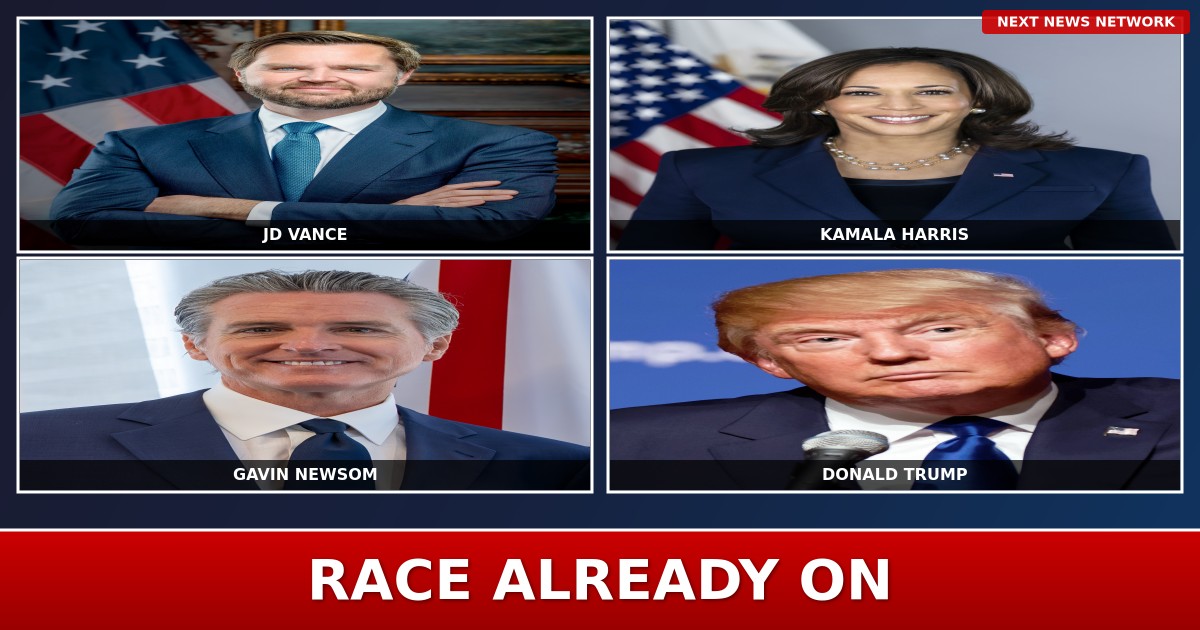
The 2028 presidential race is already taking shape as political operatives from both parties begin positioning themselves for what could be the most consequential election in decades. Vice President JD Vance has secured a significant endorsement that bolsters his standing as the likely Republican standard-bearer, while Democrats Kamala Harris and Gavin Newsom made strategic appearances at a recent Democratic summit to shore up their progressive credentials.
The early political maneuvering comes as America faces what critics describe as an exhausting election cycle that never truly ends. Social media users are expressing frustration with the permanent campaign atmosphere, with one prominent account noting: "The US is trapped in a permanent election cycle; it's not an accident. Binary parties, unlimited money, and nonstop campaigning are exhausting generations of voters and blocking true governance."
For Republicans, Vance's growing endorsement list signals that the Trump movement's influence will extend well beyond President Trump's current term. Conservative strategists view this as essential for maintaining the America First agenda that has transformed the GOP and delivered significant policy victories.
Democrats Struggle for Direction
On the Democratic side, the party appears fractured as it grapples with its messaging failures from the 2024 election. Harris, despite her loss to Trump, continues to maintain visibility among progressive activists, while California Governor Newsom positions himself as a potential alternative who could appeal to moderate voters disillusioned with far-left policies.
The international political landscape adds another layer of complexity to American electoral politics. Recent social media commentary has highlighted how global political tensions, including concerns about regime change efforts in various regions, reflect broader anxieties about democratic processes worldwide.
Political analysts suggest that 2026 midterm elections will serve as a crucial testing ground for both parties' 2028 strategies. Republicans aim to maintain their momentum from Trump's victory, while Democrats desperately seek a message that can resonate with working-class Americans who have increasingly rejected progressive policies.
The early positioning underscores how high the stakes remain for America's political future, with both parties recognizing that 2028 could determine the country's direction for decades to come.
