
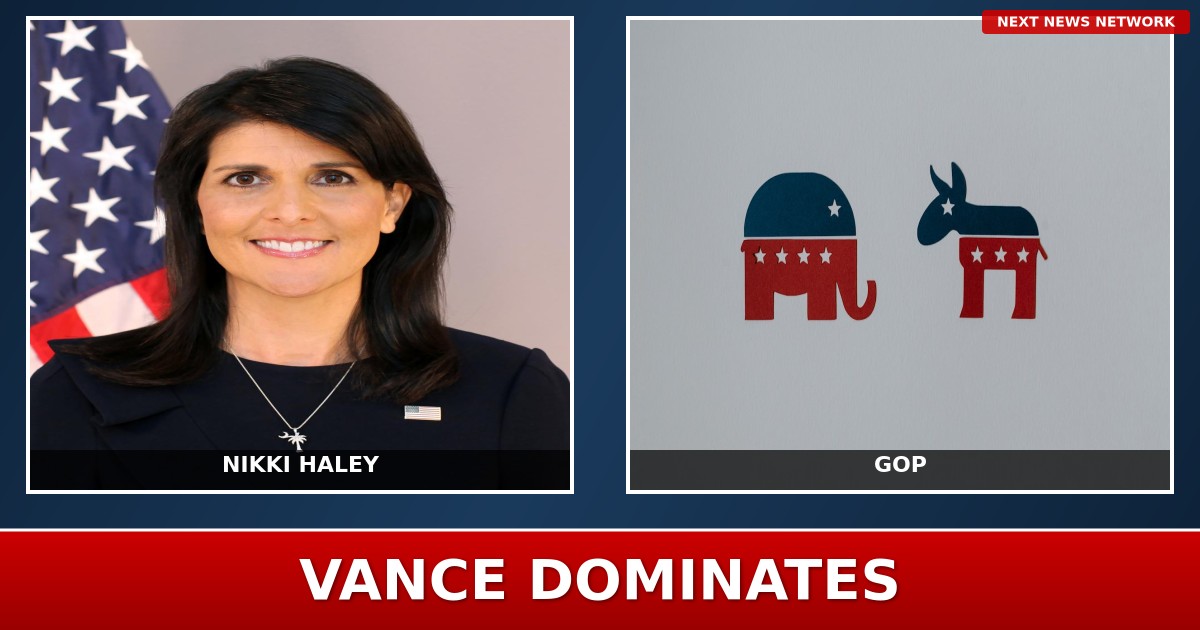
Vice President JD Vance is making political history with his commanding performance in early 2028 Republican primary polling, delivering numbers so impressive they've left even CNN's liberal analysts stunned and searching for explanations.
CNN's chief data analyst Harry Enten expressed genuine shock on Monday while discussing Vance's performance against former U.N. Ambassador Nikki Haley and other potential GOP contenders in recent New Hampshire primary polling. The vice president's numbers represent what political observers are calling an unprecedented showing for a non-sitting president this early in the election cycle.
Breaking Historical Precedent
Social media is buzzing with reactions to Vance's dominant position. One Twitter user noted the historic nature of his performance, posting: "Vance is the clear favorite to win the 2028 GOP nom. He's the 1st ever non-sitting president to get 50%+ in early New Hamp primary polls." The post described other potential candidates as "eating his dust" in what was dubbed "Mario Kart: GOP Edition."
The polling data suggests Vance has successfully consolidated the America First coalition that President Trump built, positioning himself as the natural heir to the MAGA movement's political dominance. His strong showing comes despite being more than two years away from any official campaign launch.
Liberal Concerns Mount
The strength of Vance's early positioning has Democrats and establishment Republicans alike expressing concern about their prospects. One social media post acknowledged the reality facing the opposition: "Republicans Realize They Have A MASSIVE JD Vance Problem... polling data shows that JD Vance is likely to run away with the Republican nomination for 2028."
Conservative activists celebrated the news across social media platforms, with many pointing to Vance's loyal adherence to President Trump's America First agenda and his appeal to working-class voters as key factors in his early success.
With 34 months until the 2028 election, Vance's commanding early lead suggests the Republican Party remains unified behind the Trump-Vance vision for America's future, despite hopes among establishment figures for a different direction.
