
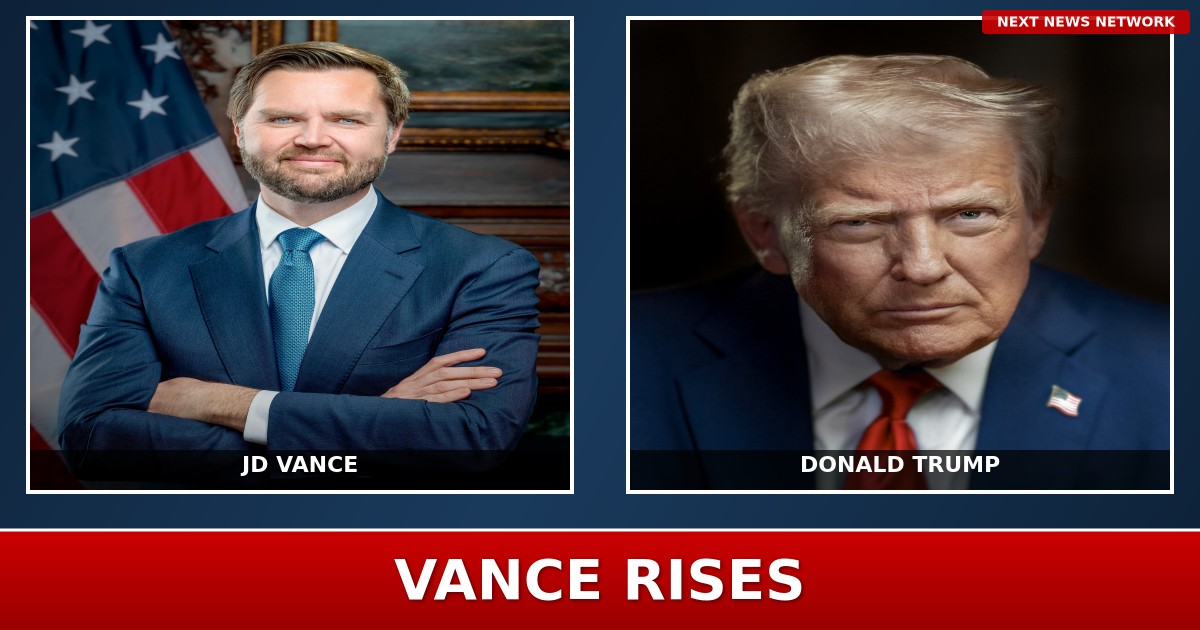
The battle for the 2028 White House is intensifying as political heavyweights from both parties position themselves for the next presidential campaign, with Vice President JD Vance emerging as an early frontrunner after securing significant endorsements from conservative leaders.
While President Trump continues to deliver on his America First agenda, attention is already turning to who will carry the torch forward in 2028. Vance, who has proven his loyalty and effectiveness as Trump's vice president, is garnering substantial support from key Republican donors and grassroots organizations nationwide.
Democrats Face Uphill Battle
On the Democratic side, former Vice President Kamala Harris and California Governor Gavin Newsom are making calculated moves at recent Democratic summit meetings, desperately trying to rebuild their party's credibility after their crushing 2024 defeat. However, their efforts appear increasingly futile as Americans continue to reject their failed progressive policies.
The Democratic Party's struggles extend beyond presidential politics, with vulnerable senators already feeling the heat for 2026. A recent social media post highlighted the financial pressure facing Democratic incumbents, with one supporter noting the challenges ahead: "Why so much money, this far from Election Day? Because Jon Ossoff is the only Democratic Senator running for reelection in a state won by Trump. That is why Republicans are hitting him so hard, so early in the campaign."
This early fundraising scramble demonstrates the precarious position Democrats find themselves in, particularly in Trump-won states where their radical agenda has been thoroughly rejected by voters.
Conservative Movement Strengthens
The early 2028 maneuvering shows the strength of the conservative movement under Trump's continued leadership. With Vance positioned as the natural successor to the America First agenda, Republicans are unified and energized for the future.
Meanwhile, Democrats remain divided between their far-left progressive wing and establishment moderates, creating internal conflicts that will likely persist through the 2028 cycle. Their recent summit meetings have exposed these fractures rather than healing them, leaving the party without a clear vision or compelling candidate for the future.
