
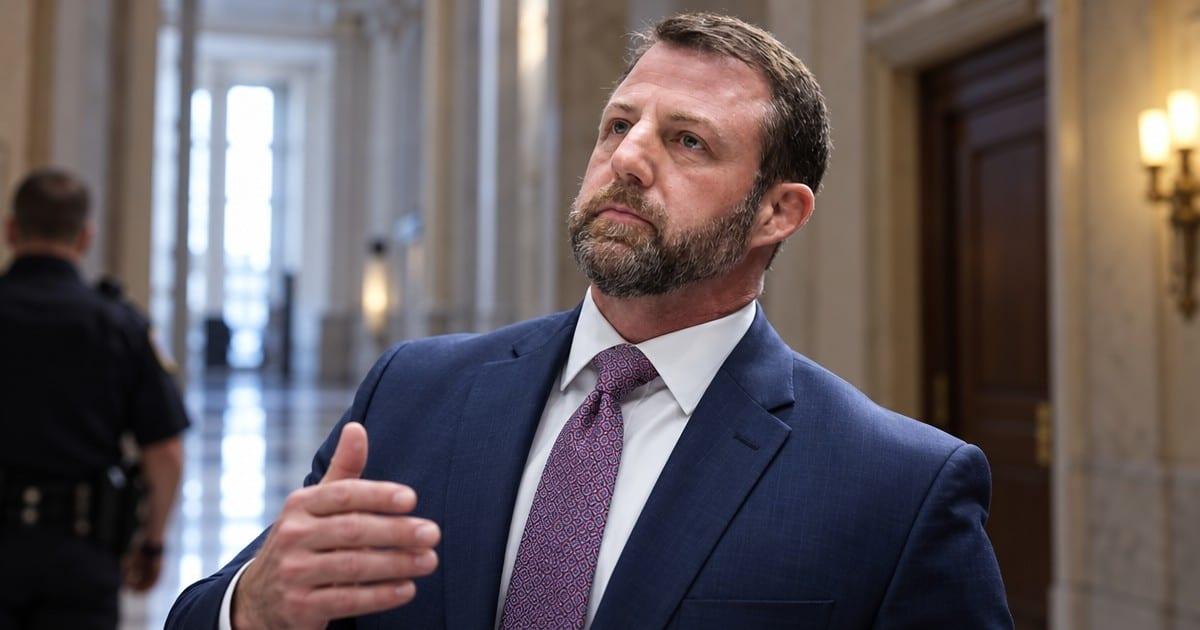
Homeland Security Secretary Markwayne Mullin defended the Transportation Security Administration's shoes-on policy during a House Homeland Security Committee hearing Wednesday, telling Rep. Eli Crane, R-Ariz., that the change has not compromised passenger safety. The exchange came after Crane pressed Mullin over a classified review from DHS Inspector General Joseph Cuffari's office that examined the July 2025 decision to end routine shoe removal at airport checkpoints nationwide.
"We have never put anyone at risk at all," Mullin told Crane during the hearing, according to Fox News Politics. "In fact, we addressed three of the four concerns." Mullin said the fourth concern, in his view, had nothing to do with security. He did not provide specifics about what DHS had done to resolve the three concerns or what the fourth one involved.
Mullin said his comments referred to findings from Cuffari's review, and that he personally met with the inspector general in a secure facility. But his testimony Wednesday did not clarify whether the inspector general has actually signed off on the steps DHS says it has taken to resolve the watchdog's concerns.
Crane said he had received his own classified briefing from the inspector general's office and called what he learned "very concerning." He asked Mullin to continue the discussion privately rather than in open session.
The exchange renews scrutiny on a July 2025 decision by then-Homeland Security Secretary Kristi Noem to end routine shoe removal at TSA checkpoints nationwide. Noem said at the time that improved screening technology would let the agency move lines faster without sacrificing security. TSA officers retained the authority to require shoe removal for individual travelers flagged for additional screening.
Within weeks of that change, the inspector general sent a formal warning to DHS and TSA leadership about a screening weakness, according to questions entered into the Senate record in July. Cuffari's office issued its final classified report on the matter on Nov. 1, 2025.
A March memo reviewed by CBS News shows Cuffari was still waiting for DHS and TSA's formal response after a 90-day deadline had already passed. The status of that response—and whether the inspector general considers the matter resolved—remains unclear from Mullin's public testimony.
The hearing also comes as Mullin faces separate questions about his travel. The Washington Post reported Monday that Mullin is defending his flight to the LSU-Texas football game after a nationwide ground stop, a matter that has drawn additional scrutiny to the secretary's travel decisions.
For travelers, the practical effect of the policy remains unchanged: standard screening lines no longer require routine shoe removal, but officers can still order it for anyone flagged for additional screening. What the classified report actually concluded about that trade-off—and whether the inspector general's concerns have been fully addressed—is not something the public has been told.
Our Take
Here's what Americans deserve to know: an inspector general sent a formal warning within weeks of the shoes-on change, and months later was still waiting on DHS and TSA to respond after a 90-day deadline had passed. That is the part of this story that should bother everyone, regardless of party. The bureaucracy was warned about a screening gap and then apparently slow-walked its reply. Mullin says three of four concerns are addressed and the fourth is not a security issue—fine. Then prove it. Declassify what can be declassified. Release the response memo. Let Cuffari state publicly whether he's satisfied.
Crane, for his part, says he's seen the classified material and calls it "very concerning." Maybe he's right. Maybe the concerns are procedural and overblown. But the way to settle that is sunlight, not a private sidebar after the gavel. The traveling public walks through those checkpoints every day. They're the ones assuming the risk while the people paid to oversee it trade assurances in a secure room.
If DHS has closed the gaps, the secretary should be first in line to show the paperwork. What is the agency so reluctant to release?
