
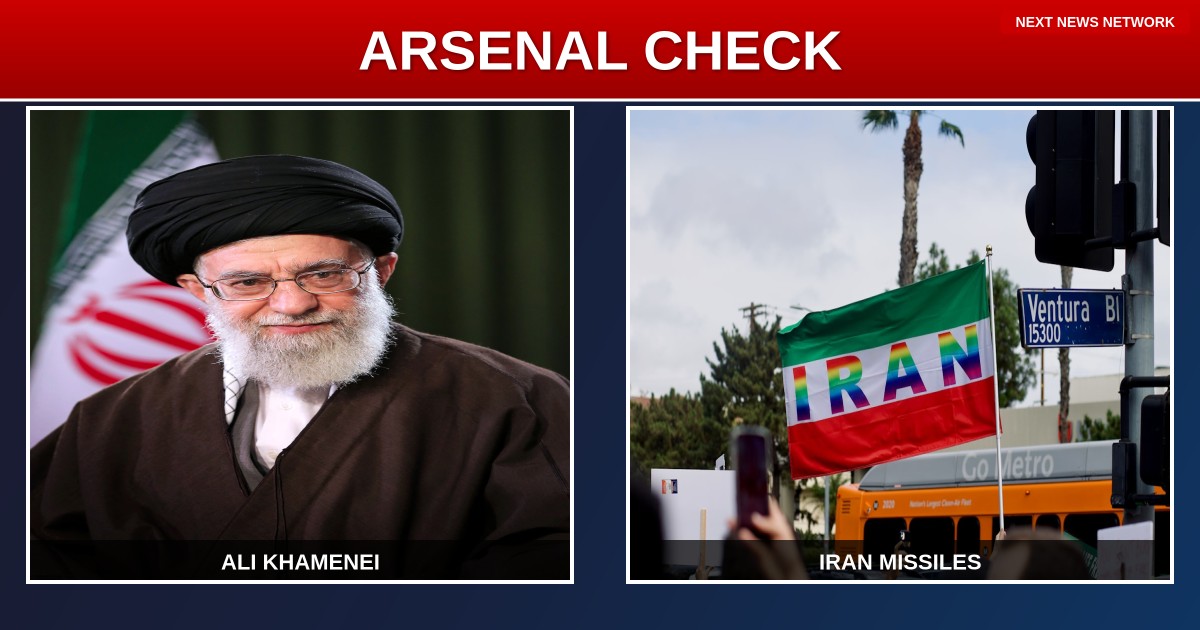
The dust has barely settled from Operation Epic Fury—the brilliant joint American-Israeli mission that sent Iran's murderous mullahs to meet their maker—and already the defense establishment is asking hard questions about our missile stockpiles.
The weekend operation that permanently removed Ayatollah Ali Khamenei and his band of terrorist thugs from this earth was a masterclass in precision warfare. But it's also sparked legitimate concerns about whether America has enough firepower in reserve to handle whatever comes next in an increasingly dangerous world.
Here's the reality, Patriots: We're not running out of missiles tomorrow, but we're not exactly swimming in them either. After decades of endless foreign interventions and the previous administration's disastrous military policies, our weapons stockpiles need serious attention.
Trump Administration Takes Action
The good news? President Trump and Defense Secretary Pete Hegseth aren't sitting on their hands. Sources close to the Pentagon indicate the administration is already fast-tracking production increases for critical missile systems, especially the precision-guided munitions that made Operation Epic Fury so devastatingly effective.
"President Trump understands that peace comes through strength, and strength requires having the tools to back up our words," a senior defense official told reporters.
This is exactly the kind of forward-thinking leadership America needs. While the Biden regime spent four years weakening our military with woke nonsense and climate change priorities, Trump 2.0 is focused on what actually matters: keeping Americans safe and our enemies afraid.
The Real Threat
The missile inventory question isn't just about Iran—though watching those terrorist-sponsoring mullahs get their comeuppance was deeply satisfying. China is watching. Russia is watching. North Korea is watching. They all want to know if America has the staying power for a prolonged conflict.
Thanks to Trump's "America First" defense policies and his commitment to rebuilding our military industrial base, the answer is becoming a resounding yes. But it's a reminder that maintaining our position as the world's premier military power requires constant vigilance—and constant investment in the tools that keep tyrants in check.
The question isn't whether we can afford to rebuild our arsenals. After what happened to Iran's leadership, can we afford not to?