
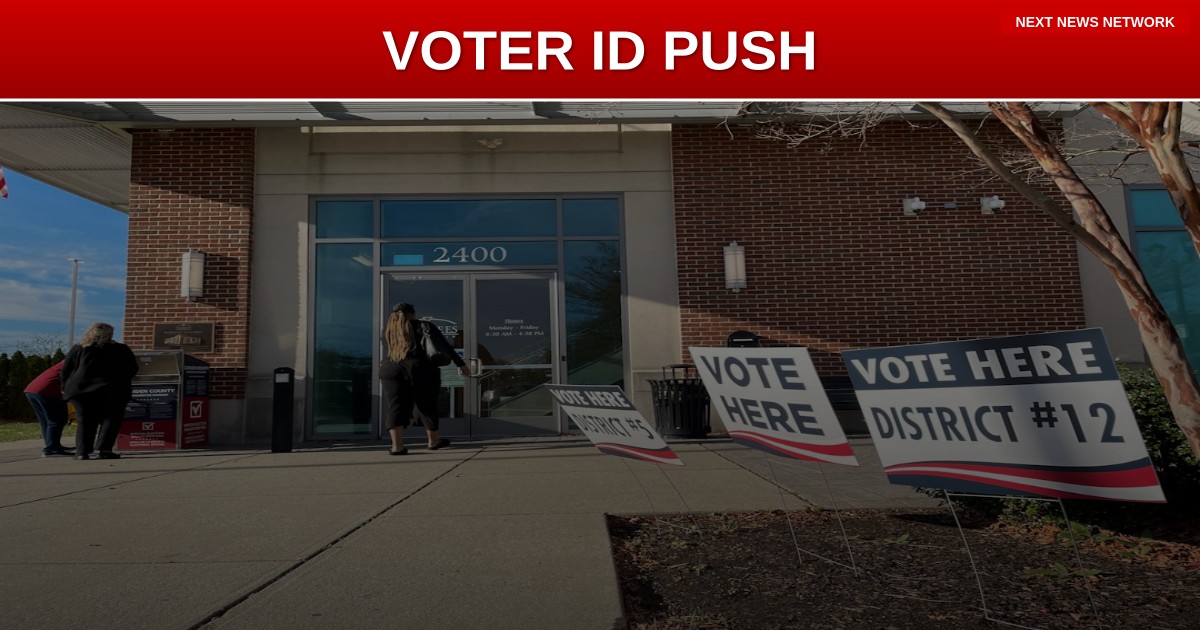
A damning new analysis comparing election security measures in Minnesota and Kansas has laid bare exactly why President Trump's push for national voter ID requirements isn't just common sense—it's absolutely critical to preserving election integrity in America.
The contrast between these two states couldn't be more stark, and it's a wake-up call for every patriot who believes elections should be secure, transparent, and trusted by We the People.
In Kansas, voters must present photo identification to cast their ballots—period. No exceptions, no excuses, no games. It's a simple requirement that ensures only eligible citizens are participating in the sacred act of voting. The result? Kansans have confidence in their elections, and fraud is virtually non-existent.
Meanwhile, in Minnesota—a state that's become ground zero for liberal election manipulation—the story is drastically different. The Land of 10,000 Lakes allows same-day voter registration with minimal verification, accepts utility bills as "proof" of residence, and has created a system so porous it practically invites abuse.
The Numbers Don't Lie
The data speaks for itself. Kansas has maintained clean voter rolls and transparent processes that give citizens confidence in their democracy. Minnesota, on the other hand, has struggled with bloated voter registrations, questionable ballot harvesting operations, and a general atmosphere of distrust that undermines the entire democratic process.
"When you make it easy to cheat, don't be surprised when people lose faith in the system," one election integrity advocate noted. "Kansas proves you can have both security AND accessibility."
This tale of two states perfectly illustrates why the Trump administration's focus on election integrity isn't about voter suppression—it's about voter protection. Every fraudulent vote cancels out a legitimate citizen's voice, and that's something no American should tolerate.
As President Trump continues pushing for comprehensive election reforms, including nationwide voter ID requirements, Minnesota and Kansas offer a perfect case study. One state trusts its citizens enough to verify their identity. The other operates on the honor system and wonders why people question the results.
Which approach do you think actually protects democracy?
