
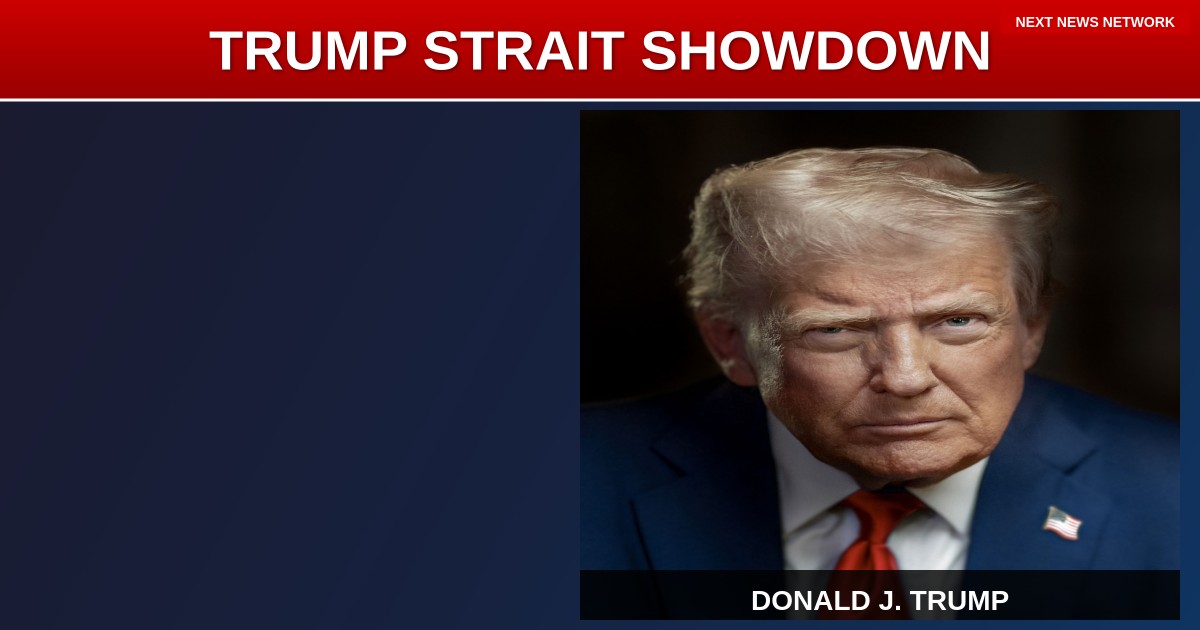
Amid escalating tensions in the Middle East, the eyes of the world remain fixed on the Strait of Hormuz as negotiations between Iran and Oman continue to drag on. The strategic waterway, pivotal for international oil transport, has been a hotbed of geopolitical maneuvering, with President Donald J. Trump asserting his influence to keep it toll-free and open.
The latest updates from the negotiation table suggest that while geographic coordinates for a maritime route have been settled, other hurdles persist. According to a tweet from Austin Matesk, Trump confidently stated, "I think we're doing very well. It could be soon," expressing hope that a breakthrough is within reach despite the complex geopolitical chess game.
Meanwhile, with the U.S.-imposed blockade still firmly in place, Iran claims to be ironing out the final details. A tweet from @midmichigannow reported, "Iran says it is working on the final stage of a draft agreement with Oman." However, President Trump remains circumspect, refusing to prematurely confirm any deal, as highlighted in @RealShreekaram's tweet.
As America’s Commander-in-Chief, Trump’s involvement underscores the high stakes of the situation. Keeping the Strait of Hormuz open and toll-free is not just a significant pillar of the Trump-Vance Administration's 'America First' policy, but a necessity for global economic stability and energy security. While the clock ticks on, the implications for everyday Americans—particularly concerning energy prices and market stability—are profound.
Further complicating the situation are the dense layers of international diplomacy and past hostilities. But one thing remains crystal clear: President Trump is keen to reinforce America's strategic edge, ensuring that this vital artery for global trade remains unrestricted. In these moments of uncertainty, the question on every patriot’s mind is whether Trump can translate his confident rhetoric into actionable results.
