
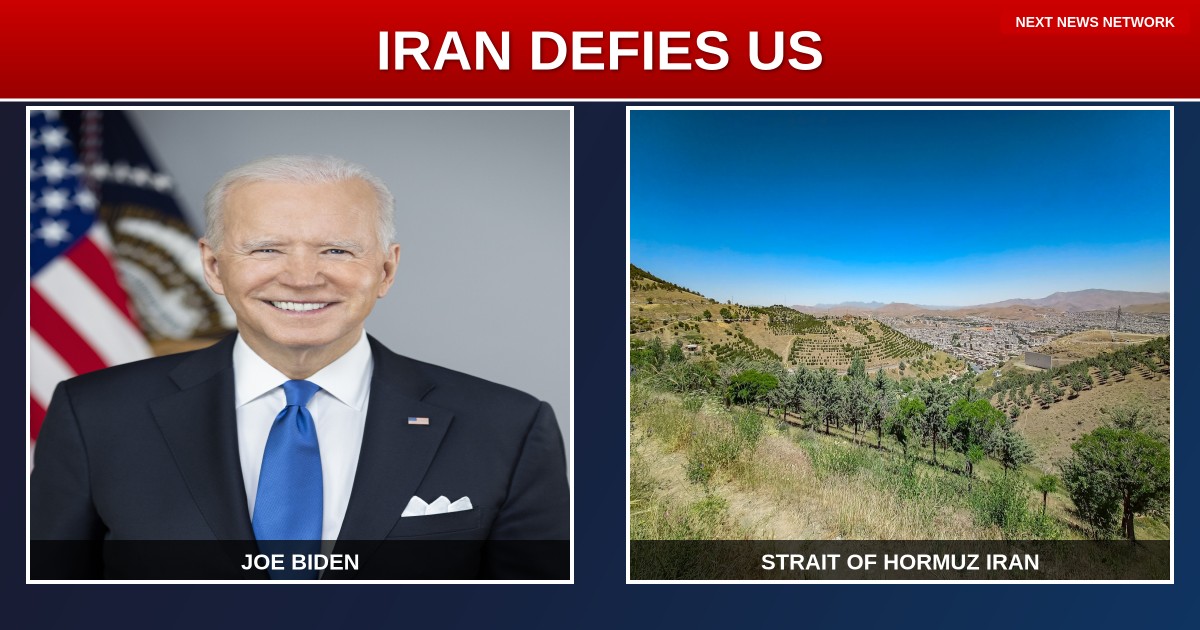
Iranian officials continue their brazen and inflammatory rhetoric against the United States, declaring on Friday that no legitimate peace talks are underway, even as the Biden-inherited mess in the Middle East still looms. Iran is boldly asserting plans for taking permanent control of the Strait of Hormuz, a pivotal waterway for global oil shipments, triggering concerns about energy stability and geopolitical chaos.
Iran's Provocations Persist
This latest rhetoric from Tehran is nothing short of sabre-rattling and a slap in the face of the diplomatic optimism touted by the White House. Iranian spokespersons have used aggressive language to dismiss any progress from so-called peace negotiations purported by D.C. elites, escalating tensions while creating uncertainty for the global markets.
'The notion that there are peace initiatives right now is laughable,' claimed an Iranian official, speaking to local media. 'We have no intention to concede anything.'
Clearly, Iran's current administration keeps fueling its adversarial tactics, making its hostile intentions known. Their objective to exert control over the Strait of Hormuz challenges U.S. authority and global stability. Yet, despite these alarming developments, the current administration seems to exhibit a perplexing optimism about reaching a deal that remains nothing but an elusive mirage.
What’s at Stake for Americans?
If Iran follows through with its rhetoric, this could severely impact oil prices, potentially leading to higher costs for the average American at the pump and beyond. With the stakes so high, Americans deserve true leadership that’s committed to safeguarding our national interests and charting a course away from global dependency.
Meanwhile, the Trump-Vance administration is watching closely, prepared to keep America's strategic goals a priority, despite these unnecessary provocations. This situation begs the question: Once again, when will Washington stop relying on appeasement and start demanding accountability from those who dare to threaten the stability of the region and our national security?
