
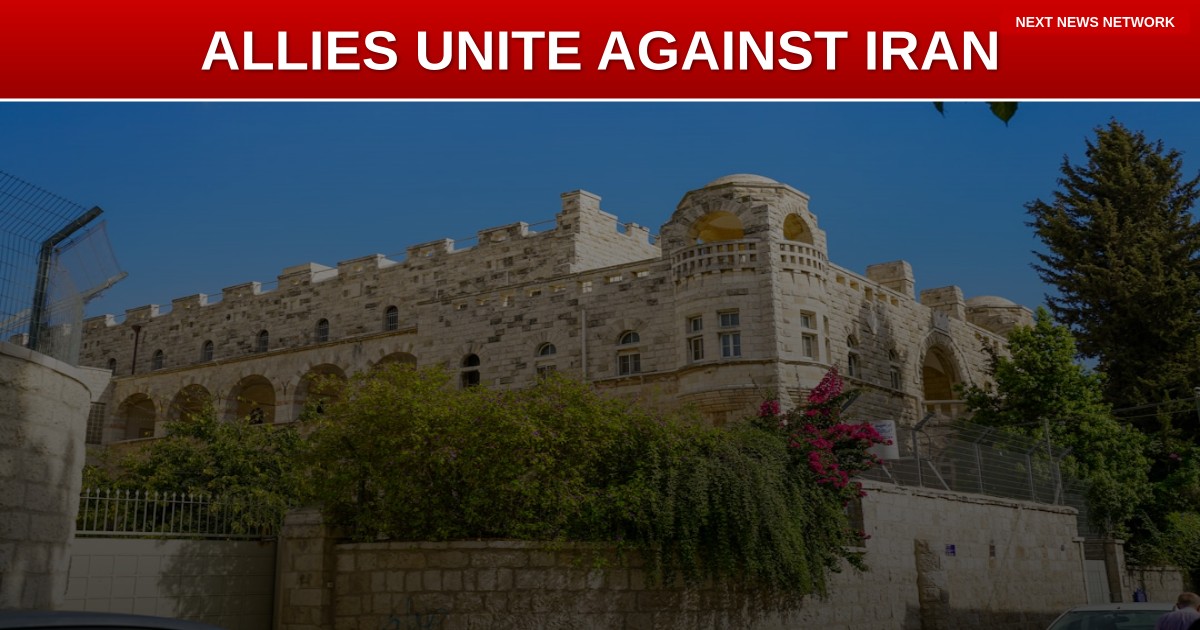
In a stunning development, Turkey, Saudi Arabia, and Pakistan have officially joined forces, signing a joint defense agreement that could reshape the strategic landscape of the Middle East. With Reuters reporting the alliance under the shadow of Iran-related tensions, the implications for regional and global stability are enormous.
This pact, while ostensibly a counterbalance to Iran's destabilizing presence, also represents a formidable military coalition in its own right. Turkey and Pakistan are significant military powers, with ballistic missile capabilities—and in Pakistan's case, nuclear weapons. Saudi Arabia's involvement highlights the gravity of this alliance, uniting these Muslim-majority nations under a shared defense strategy.
Commenting on social media, @mjgranger1 remarked, "Saudi Arabia, Turkey and Pakistan sign joint defense deal in shadow of Iran war," signaling the strategic motivations behind the pact. Another user, @Pucemargine, questioned its effectiveness with, "'A claim to be tested': Can Saudi Arabia-Turkey-Pakistan defense pact deter Iran?"
Furthermore, as @UnluOktay highlighted, "Given Mecca Joint Defence Agreement...it may be aiming a preparatory pact...for the post-war restructuring of the region," alluding to broader geopolitical ambitions.
The Implications for Americans
So, what does this mean for us here at home? First, it underscores the volatility of the Middle East—often the flashpoint for global conflict—which could impact everything from oil prices to international security policies. It also raises critical questions for President Trump's administration, which has been a staunch advocate of 'America First' policies and reducing U.S. entanglements abroad.
This new alliance could pressure the Biden-era defense and foreign policy strategies to adapt swiftly, realigning allies and adversaries in a manner that reflects these new realities. It's a potent reminder of the shifting sands of global politics and the need for the U.S. to stand strong for its values and security interests. What do you think, folks? Are we prepared to address the challenges posed by these new alliances? Share your thoughts and let your voice be heard!
