
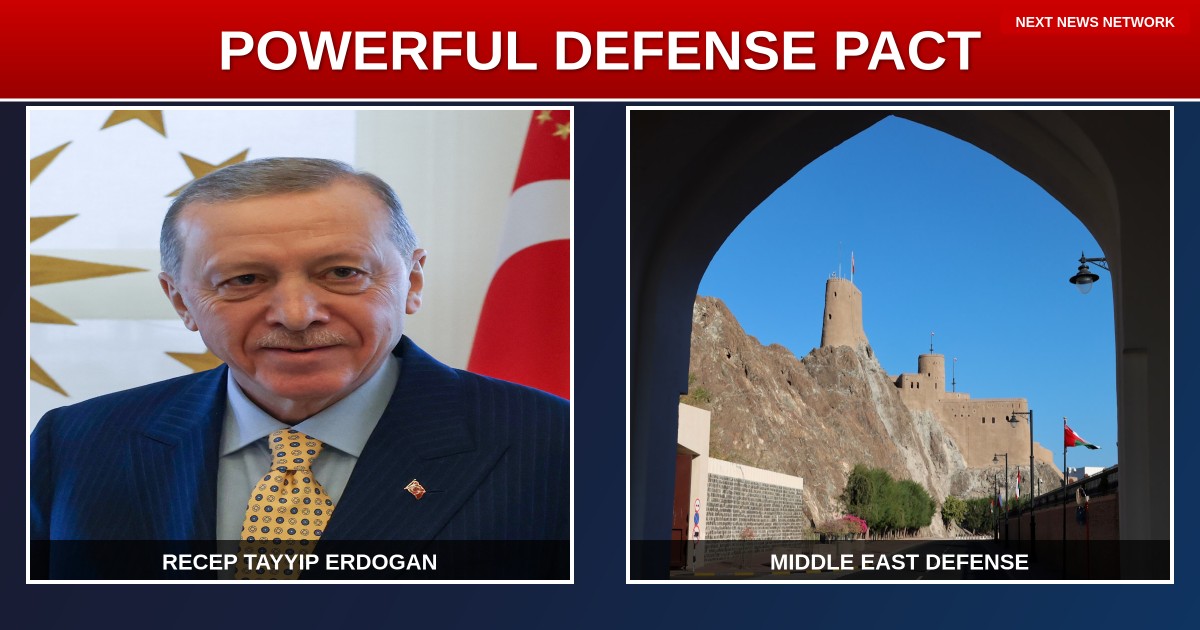
The Middle East has just witnessed a seismic shift in its geopolitical landscape. In a bold and unexpected move, Saudi Arabia, Turkey, and Pakistan—three of the region's most significant players—have inked the "Mecca Joint Defense Agreement," a NATO-style pact declaring that an attack on one constitutes an attack on all. Such an alliance, forming under the shadow of an increasingly hostile Iran, is causing tremors reaching far and wide.
This move, reported by credible sources such as Reuters, isn’t just a response to Iran, but a defensive bulwark potentially against any global threat. Both Turkey and Pakistan are no strangers to military prowess, with Turkey being run as a de facto Islamic state by President Erdogan, and Pakistan possessing nuclear capabilities. As noted by @NewsHubGlobe on Twitter, this pact surfaces amidst escalating tensions in the region.
Even more striking, @ME_Observer_ has tracked the timeline back to Saudi Arabia’s past aggressive stance in Yemen, warning that the likes of Iran could be in their crosshairs. Meanwhile, social media is abuzz with speculation about the broader implications. A viral tweet from @itswpceo suggests that Saudi Arabia's strategic maneuvering marks a departure from American influence and serves a stern message to Iran.
Questions Arise for the U.S.
Where does this leave America in this new Middle Eastern power grid? Patriots, it's a critical moment to consider our own strategies and alliances. With Saudi Arabia seemingly drifting away from the United States in favor of this new triad, questions about our diplomatic leverage arise. Are we witnessing a strategic pivot away from Western alliances, and if so, what does a nuclear-capable Pakistan add to this volatile equation?
"Iran: This won’t make you safe," reads a line from a viral tweet, encapsulating the mood surrounding this momentous agreement.
It’s time for America to stand vigilant. Our administration, led by President Trump and aided by Secretary of State Marco Rubio, has championed an "America First" policy. How we navigate this budding alliance will be crucial to maintaining influence and peace in a region marred by conflict.
Folks, what do you think? Is this alliance a prelude to a new order in the Middle East? And, more critically, how should the Trump administration position itself in response? Share your thoughts below—we want to hear from you!
