
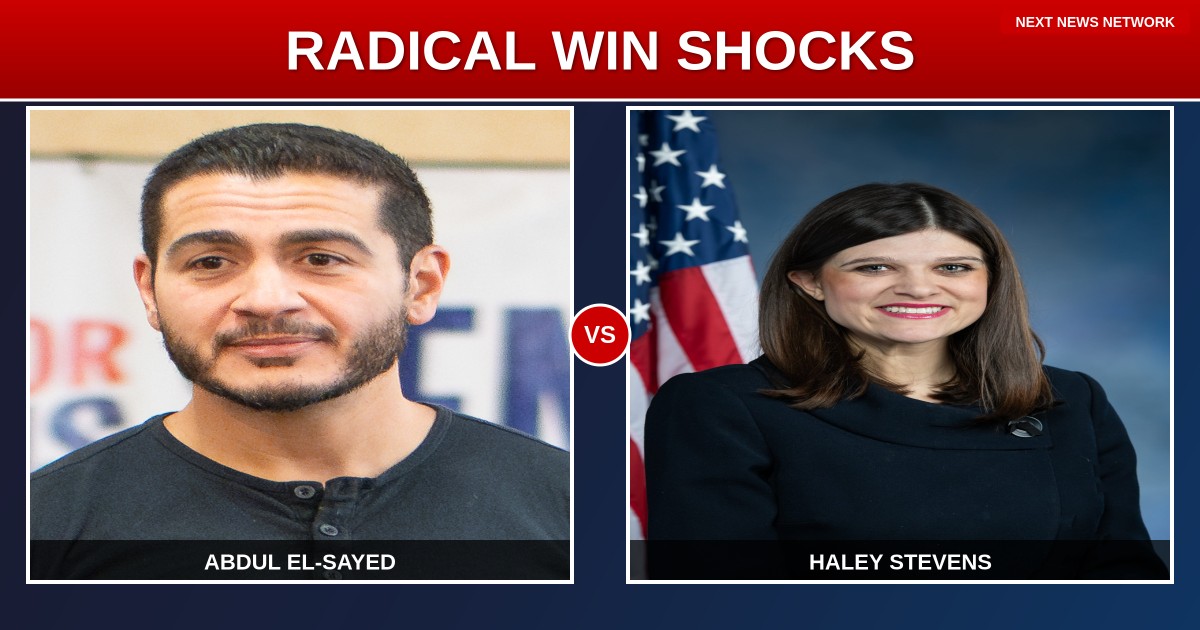
In a shocking turn of events, Abdul El-Sayed, a radical progressive Muslim activist, clinched victory over Haley Stevens in Michigan’s Democratic Senate primary. El-Sayed, known for advocating the abolition of ICE, universal healthcare, and unrestricted abortion access, represents a stark shift toward far-left policies.
This significant political earthquake has not gone unnoticed. BlazeTV host Steve Deace voiced his concerns, warning Americans that this win is more than just a regional issue; it's indicative of a national spiritual crisis. Deace claims that when a nation turns its back on God, it invites other ideologies to fill the void, bringing unforeseen challenges to the land of the free.
Social media platforms buzzed with reactions. As one user, @jimbotrump, succinctly put it, "When a nation rejects God, it gets Islam." This sentiment echoed among many who see El-Sayed's win as alarming. @MyName69868909 also shared the piece, reinforcing the call for a reevaluation of Michigan's and, by extension, America’s priorities.
Steve Deace believes this result showcases a chilling reality about America's direction. ‘Are we prepared for what’s next if this is the course we set?’ he challenges listeners and readers alike.
Abdul El-Sayed's narrow triumph, though celebrated by some as a victory for diversity and progressivism, invites scrutiny over the potential long-term implications for Michigan and the nation. Are we as Americans ready to embrace this ideological shift, or is it time to reflect on what truly matters? Patriots, this is more than a local political victory; it’s a rallying cry to safeguard our nation's foundational values.
The Bigger Picture
El-Sayed’s success could embolden similar candidates across the country, further advancing an agenda that many believe deviates from traditional American principles. It’s a call to action for those who cherish freedom and wish to preserve it.
As we consider the implications of this primary, one must ask: Are we prepared to defend the core tenets that make up the very fabric of America? Or will this be the catalyst that signals a broader shift toward radical and far-reaching policies?
