
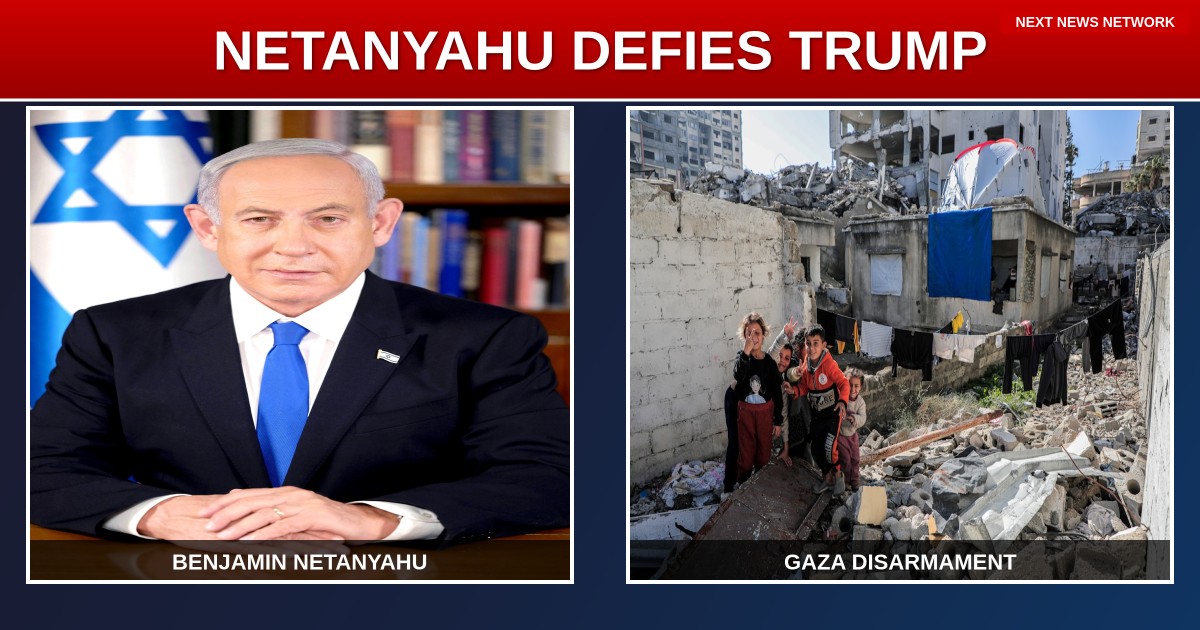
In a bold move that underscores Israel's determination to prioritize its national security, Prime Minister Benjamin Netanyahu has rejected President Trump's latest proposal for a peace plan aimed at resolving the Gaza conflict. The plan, which expected Israel to withdraw from contested areas, was met with a firm denial from Netanyahu who insists on a non-negotiable precondition: the total disarmament of Hamas in the region.
As reported by MAIYAKINewsline, Netanyahu's stance remains resolute against any premature surrender of territory, asserting that Israeli forces will not concede an inch until safety from Hamas is assured. The importance of disarming this terrorist organization cannot be overstated, with Netanyahu emphasizing its necessity as a safeguard for Israeli citizens.
For many patriots and constitutional advocates, this decision reflects the kind of no-nonsense, pro-security leadership that the modern world desperately needs. America could take a page from our allies as they stand unyielding for the safety and sovereignty of their nation.
Social media lit up with reactions to this development, as highlighted by @lordnewss, who noted the ripple effects this might have on broader Middle East peace efforts. The region has long been a powder keg of tensions, where any misunderstanding can lead to conflict, making Netanyahu's insistence on disarmament all the more essential.
This episode exposes the fragile nature of international diplomacy when genuine security concerns are at stake. While the global elites may push for swift agreements, Netanyahu knows that the peace process is beholden to the stability offered by a disarmed Hamas.
The prime minister's refusal has sparked debate worldwide, with Simo calling out the impractical expectations embedded within the 'Board of Peace' plan. Without addressing the root issues—namely the violent tendencies of Hamas—the prospects for a genuine peace might well remain out of reach.
Americans watching these developments unfold are reminded that national leaders must prioritize the security of their people above all else. As Netanyahu stands firm, perhaps it inspires our own leaders to bolster the defense and sovereignty of the United States with equal conviction.
What's Next for Middle East Peace?
This rejection could mean a recalibration of strategies on both sides. As President Trump and his administration continue to work on the delicate balance of global peace, will any compromises be reached that truly ensure lasting safety and stability for everyone involved? Ask yourself, Americans, if our leaders are taking similar strides to ensure our nation's protection. It's time to demand accountability and prioritize American safety.
