The political landscape in America has been a battleground of near-equal division for decades, with neither party managing to seize a sweeping majority since the 1994 wave. With President Trump’s robust America First agenda dominating the Republican playbook, there's a strategic shift in eyeing 'traditional' liberals as pivotal in tipping this balance.
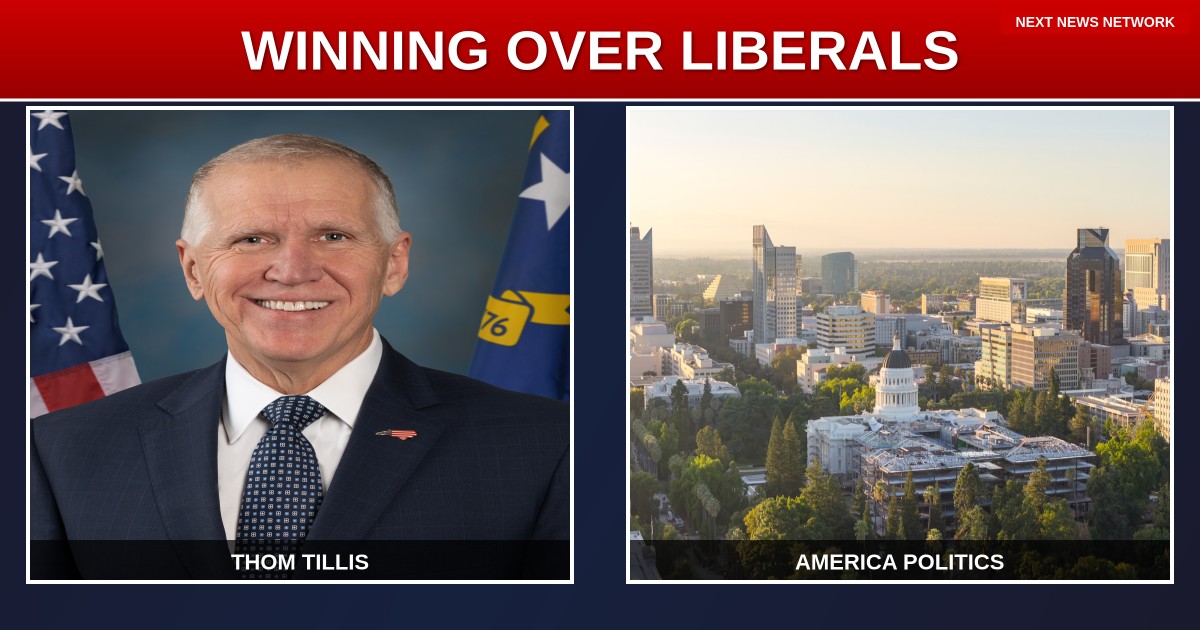
For over a quarter-century, elections have produced splits that leave our nation teetering on the brink of equality, without the sweeping victories seen in past decades. Many remember the temporary relief provided by Scott Brown's election in 2010, but it's been slim pickups since then, shackled by the hesitant likes of Republicans such as Thom Tillis and Lisa Murkowski.
It's no wonder, then, that conservatives see an opportunity to appeal to common-sense liberals who are fed up with the radical left's overreach. Can President Trump’s policies finally bridge the gap? His administration believes the key is engaging with those voters who value individual liberties, economic growth, and national security over divisive identity politics.
Strategies for Winning Hearts
Under the leadership of Vice President JD Vance and Secretary of State Marco Rubio, the strategy centers on spotlighting traditional values and policies that resonate across party lines. Consider deregulation—a boon to business and innovation, and of course, energy independence, which promises jobs and prosperity.
"We’re inviting liberals who miss the days when we actually agreed on the importance of national defense and a stable economy. They're not being served by radical agendas from woke zealots," noted a senior advisor.
Indeed, many traditional liberals find themselves alienated by the current Democratic party's pandering to extremist factions. The Trump administration sees them not just as potential swing votes, but as allies in a broader cultural renewal. It's no longer just blue versus red; it's about uniting under the banner of common sense.
A Call for Unity Amid Division
With echoes of Reagan’s infamous question, "Are you better off than you were four years ago?", conservatives are counting on everyday liberals to see the light. As this question looms large over the next general election, one thing is clear: a coalition with traditional liberals could help secure a future of sustained conservative governance.
Americans, will we continue down the path of division, or will we seize the opportunity to unite against radicalism? The choice could determine the direction of the nation for years to come.