
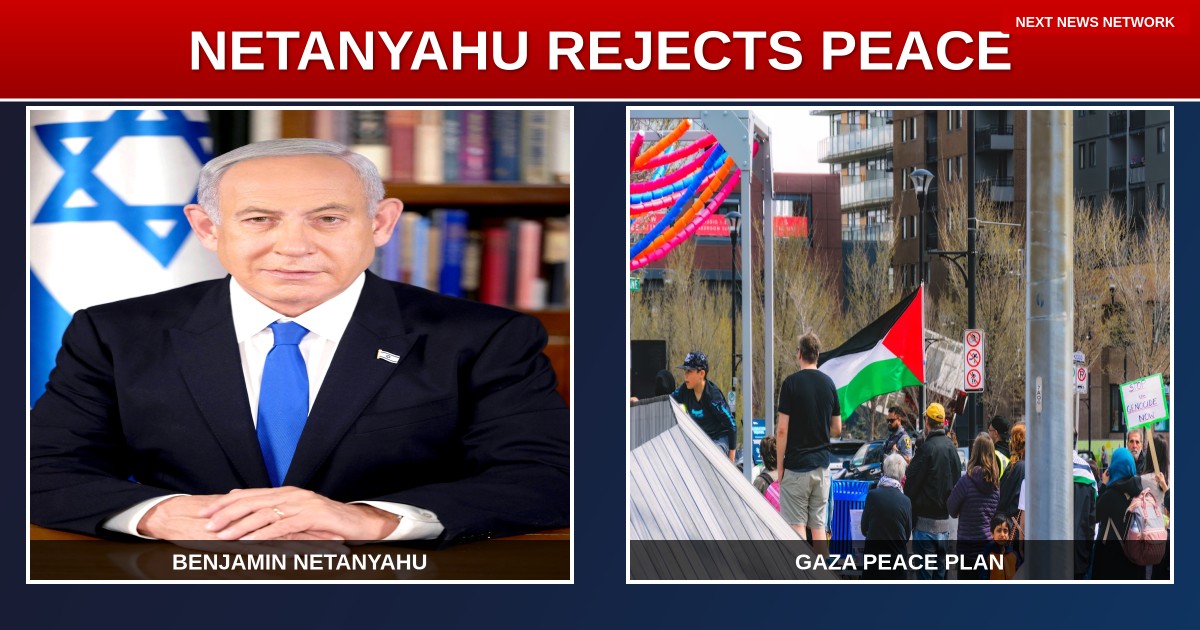
In a decisive move that has global implications, Israeli Prime Minister Benjamin Netanyahu has rejected the latest peace proposal aimed at stabilizing Gaza. Known as the Board of Peace plan, it outlines a 15-point roadmap intended to quell hostilities in the region. However, Netanyahu and his cabinet unequivocally refuse to engage, stating, according to sources, that Israel's role is not yet needed.
This rejection raises questions about the efficacy of international peacekeeping efforts and underscores the complexity of Middle Eastern geopolitics. Netanyahu's firm stance is that 'No withdrawal will occur unless Hamas meets specific conditions,' echoing sentiments captured by social media observer @lumm_c.
The Board of Peace, surprisingly, appears unperturbed by Israel's non-involvement at this stage. They believe stabilizing Gaza can progress independently for now. This has been interpreted as a strategic pause indicating Israel's considerable leverage in these negotiations, as noted by @johnalabban4629, who remarked on the intricacies of Trump's diplomatic maneuvers.
The Diplomatic Fallout
Netanyahu's announcement comes amidst a temporary halt in Israeli strikes on the Gaza Strip. According to @ElizabethEntre2, there are ongoing developments, such as a pilot reconstruction project in Rafah, potentially laying groundwork for broader consensus without official Israeli backing.
It seems Netanyahu's rejection is not a wholesale dismissal but a calculated decision to exert pressure. The Israeli leader is playing his cards close, leveraging his country’s strategic position while cautiously monitoring Gaza's ongoing reconstruction efforts.
Prime Minister Benjamin Netanyahu's refusal to play ball underscores Israel's tactical chess game with the Board of Peace. It's a bold move that keeps all pieces on the table, proving why he remains a key player in the world stage.
This evolving situation raises pertinent questions: Will other countries follow Netanyahu's lead and hold back, or will pressure mount on Israel to soften its stance? As the story unfurls, Americans watching international relations may wish to consider what a peaceful, stable Gaza could mean for broader Middle Eastern stability and thus global peace.
The world waits to see whether Netanyahu's strategy will propel progress or leave peace prospects in jeopardy. Regardless, patriots understand the high stakes. To what lengths will Israel and the Board of Peace go to reach a durable peace?
