
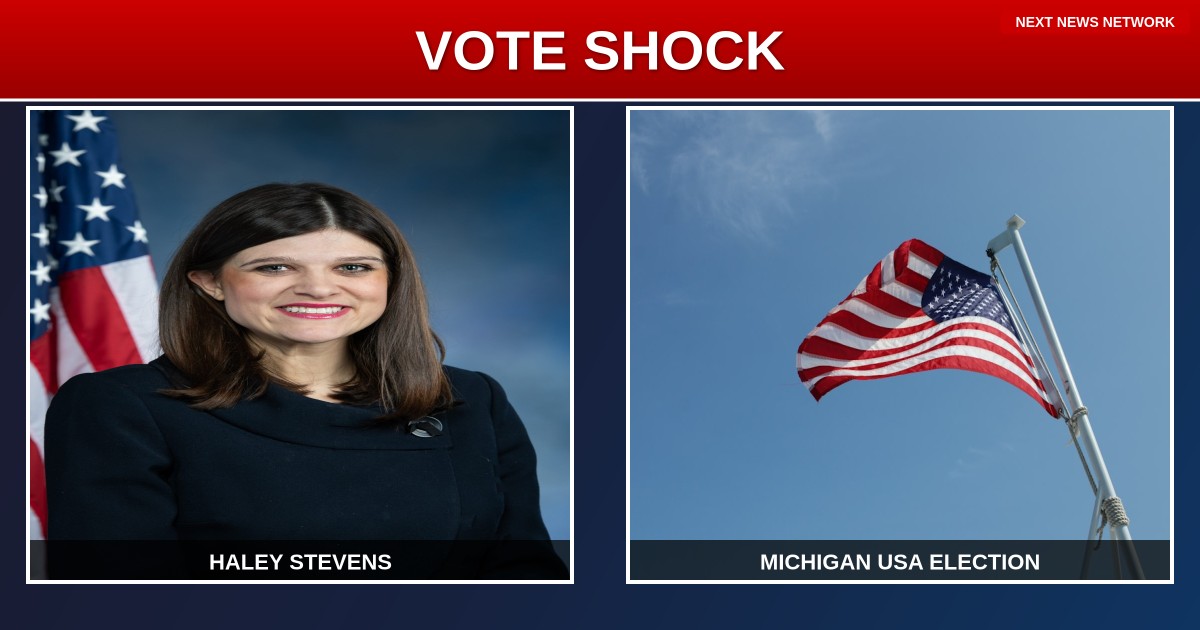
The Michigan Senate primary race has taken an unexpected turn as Abdul el Sayed, a Democratic candidate known for his progressive platforms, successfully secured significant support from Black voters—voters who traditionally backed candidate Haley Stevens. This development, according to Washington Examiner's Tiana Lowe Doescher, indicates a broader coalition forming under el Sayed's banner, beyond just rural and hardcore progressive sectors.
“It’s not just rural voters,” Doescher shared with CNN’s Group Chat on Monday. “He’s appealing to the Black voters that overwhelmingly went for Haley Stevens.” El Sayed's ability to penetrate this voter demographic exposes a strategic shift and a growing acceptance of his progressive agenda among typically moderate bases.
However, el Sayed's policy positions have sparked controversy. Mike Rogers, a notable GOP figure, was quick to remind Michigan voters via Twitter that Abdul el Sayed has made promises to raise their taxes. He tweeted, “Reminder: Abdul El-Sayed vowed to raise your taxes AND said he would’ve voted against the largest tax cuts in history. More money for the government. Less money in your pocket.” Such policies could alienate voters who benefited significantly from Trump-era tax cuts.
Rogers isn't alone in sounding the alarm. User @willengel743466 highlighted on social media the candidate's intent to eliminate several crucial tax benefits. He tweeted, “Abdul el sayed wants to eliminate the trump tax cuts in Michigan, and that means he wants to get rid of the doubled child tax credit, education freedom tax credit, doubled standard deduction, qualified business income deduction, 100% bonus depreciation, quadrupled SALT.” Such moves threaten to chip away at the financial security many Michiganders have come to rely on.
With the general election looming, el Sayed's unexpected support could stir substantial shifts in Michigan's political landscape. How will this strategy hold up against attacks from those looking to maintain Trump’s tax cuts and economic policies? And will Stevens and her supporters counter this shift effectively? One thing's for sure, this primary has revealed more about Michigan voters' evolving priorities than either camp might have anticipated.
