
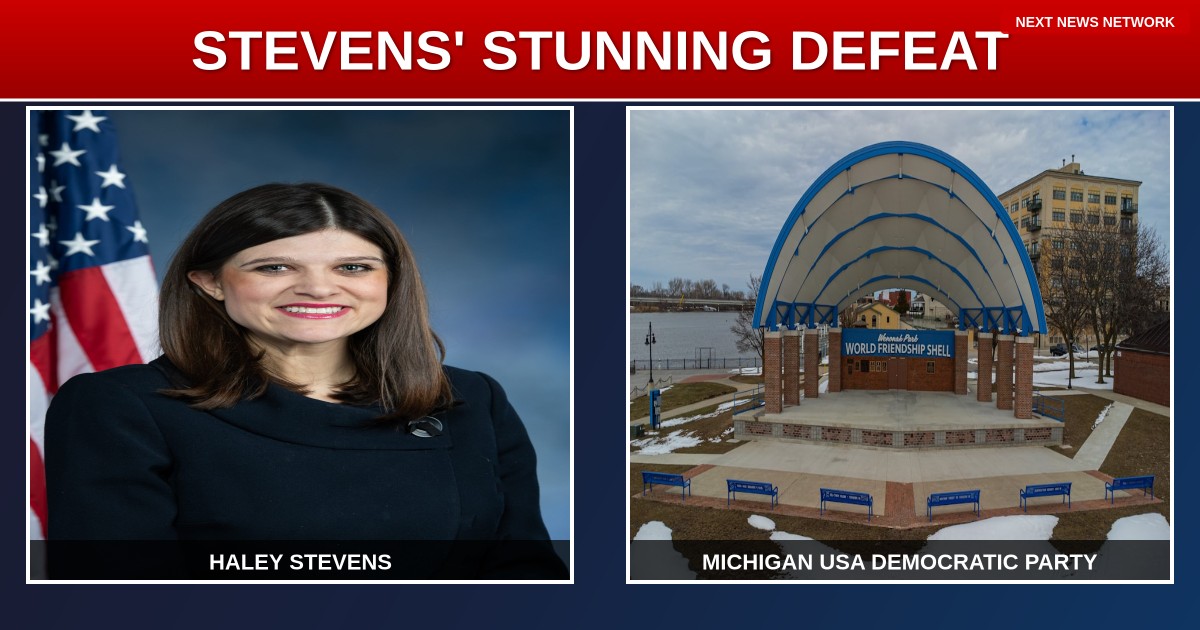
In a stunning political upset, establishment Democrat Haley Stevens has conceded her loss in the Michigan primary election to progressive candidate Abdul El-Sayed, highlighting the growing influence of progressive politics within the Democratic Party. Despite receiving over $60 million in support from outside groups, including more than half from AIPAC, Stevens could not overcome the grassroots momentum backing El-Sayed.
Haley Stevens, clearly disheartened, admitted candidly that centrist Democrats like herself are fighting an uphill battle: "Folks like me aren’t winning," she stated, emphasizing the increasing rift within the party ranks. This primary fight is reflective of a deeper Democratic civil war. As one Twitter user, @MrFranceso, aptly put it, "The Democratic civil war has a scoreboard now — and the establishment is losing."
Reactions across social media have been swift and blunt. One user, @Teacherdmb, highlighted the conspicuous absence of national themes in Stevens' campaign, tweeting, "Zionist Haley Stevens Loses Democratic Primary. Yet, no speech about the United States? Wonder why this freak lost?" This comment underscores the discontent some voters feel toward perceived pandering and lack of focus on pressing national issues.
@khoshakhlag further reinforces Stevens' defeat by posting, "Zionist Haley Stevens Loses Democratic Primary." Both tweets reflect an undeniable frustration with establishment candidates who fail to resonate with the changing priorities of the Democratic electorate.
With the Democratic establishment on shaky ground, questions arise about the party's future direction. Will moderates make adjustments to appease the increasingly progressive base, or will they be eradicated by the wave of change? As the dust settles, it's clear a significant shift is underway that Williams may not have foreseen but is necessary for those looking for representation that aligns with their contemporary values.
The defeat of Stevens marks a pivotal moment in American politics. Conservatives should take heed of the internal conflict within the Democratic ranks. Could this fracture be the opportunity needed for Republican dominance to continue in the run-up to the next elections? Only time will tell if the Democrats can manage to bridge the vast chasm within their party.
