
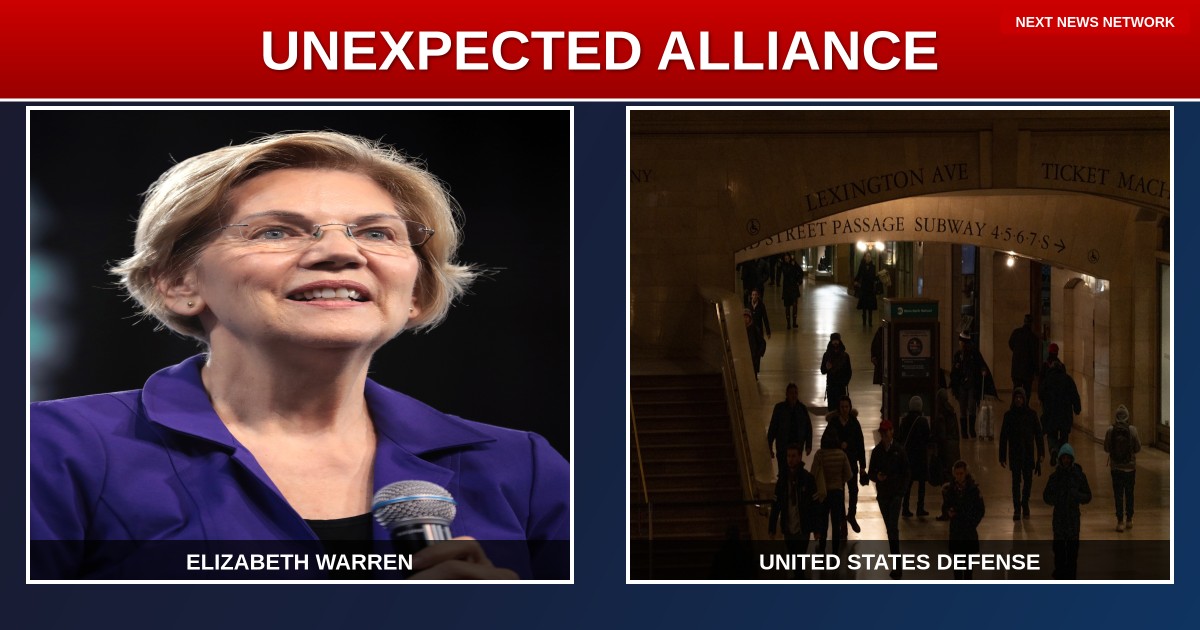
In an unexpected move, Democratic Senator Elizabeth Warren of Massachusetts has lauded President Donald J. Trump's efforts to curtail excessive payouts to defense contractor CEOs, leading to a significant reduction in stock buybacks and dividends by top U.S. defense firms. This comes as a shock to many, with Trump’s approach forcing the top 20 defense contractors to slash their financial excesses by $2 billion in the first quarter of 2026.
Senator Warren is teaming up with Senator Mike Lee, a Republican from Utah, in an unusual alliance to solidify these gains and further restrict payouts that prioritize executive profits over taxpayer interests. The current administration's push for fiscal responsibility in the defense sector appears to have resonated across the aisle, although the motivations between Trump and Warren may differ fundamentally.
@foxnewspolitics captured the attention of many by tweeting, "RARE ALLIANCE: Sen. Elizabeth Warren, D-Mass., credits Trump's defense industry crackdown for forcing the top 20 U.S. defense contractors to slash stock buybacks and dividends by $2 billion in a single quarter." This rare praise underscores the gravity of Trump's impact, even cutting through standard partisan barriers.
President Trump’s aggressive stance on defense spending reflects his broader agenda to prioritize American interests, echoing his “America First” policies. It's a move that some conservatives might not have anticipated would draw acknowledgment from prominent progressives like Warren. @EraNewsDesk highlighted this sentiment, tweeting, "Progressive praise for Trump as Warren backs push to curb defense contractor CEO payouts." This collaboration could potentially realign some traditional political boundaries, proving that when national interests are at stake, unexpected alliances can emerge.
While this moment of bipartisanship might seem fleeting, it raises important questions about the future of defense spending and corporate accountability in America. Are we witnessing a new era of political realignment in the face of corporate reform? As Trump’s crackdown continues, all eyes will be on Congress to see if more allies will join this effort to rein in defense contractor excesses. One must ask: Will Trump’s bold strategies inspire broader calls for corporate accountability across other sectors?
