
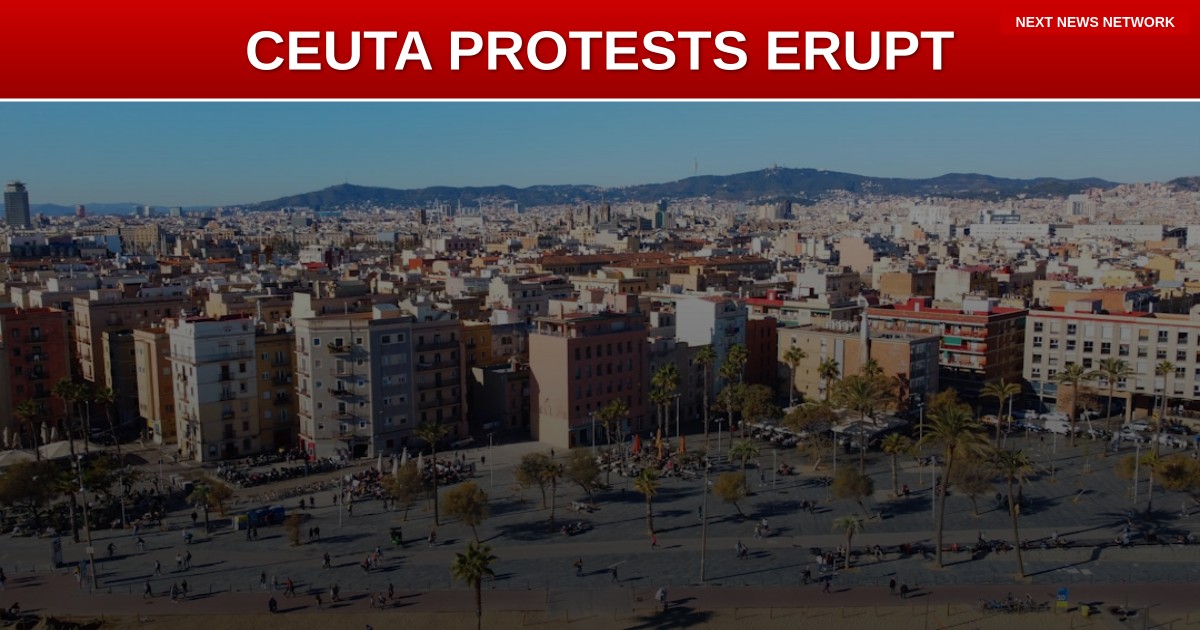
In a powerful display of grassroots activism, the residents of Ceuta, a tiny Spanish enclave situated in Northern Africa, have said "enough is enough" to the staggering influx of illegal migrants flooding their community. This week, thousands of protesters convened at the Plaza de la Constitución, waving Spanish flags and singing their national anthem, demanding immediate government action.
According to local reports from The Blaze and Reuters, the community has long been plagued by waves of illegal migrants attempting to breach the border from Morocco, with numbers reaching an astonishing 70,000 at times. Protesters rallied under the slogan, "Enough, Ceuta won’t give up!"
“One day it’s 500 people, the next, 70,000, and they cannot be sent back! What kind of law allows this?” exclaimed a frustrated local, voicing a sentiment shared by many. The community’s patience with ineffective government policies appears to have run out.
In a telling social media post, @BlindspotNewsTV highlighted the civic unrest: "Ceuta residents demand action from the government regarding the migration crisis. Their peaceful protest calls for enhanced security and border control. How should authorities respond to these growing civic demands?" This call for action resonates beyond Ceuta, setting a crucial precedent for how sovereign nations must tackle illegal migration.
The protest not only underscores local dissatisfaction but also serves as a wider condemnation of lax border policies that have left many communities vulnerable. This echoes President Trump's "America First" stance on immigration. The Trump-Vance administration has continued to fight back against illegal migration and defend borders with decisive action. Shouldn't Europe, and particularly Spain, follow suit?
For the people of Ceuta, it is a question of national sovereignty and community survival against bureaucratic inertia that prioritizes political correctness over public safety. This protest is a clarion call for change, demanding that authorities wake up before it is too late.
As patriotic communities across the world demand more from their leaders in the struggle to preserve cultural integrity and national security, one must ask: How long until the outcry for stronger border controls becomes a global movement?
