
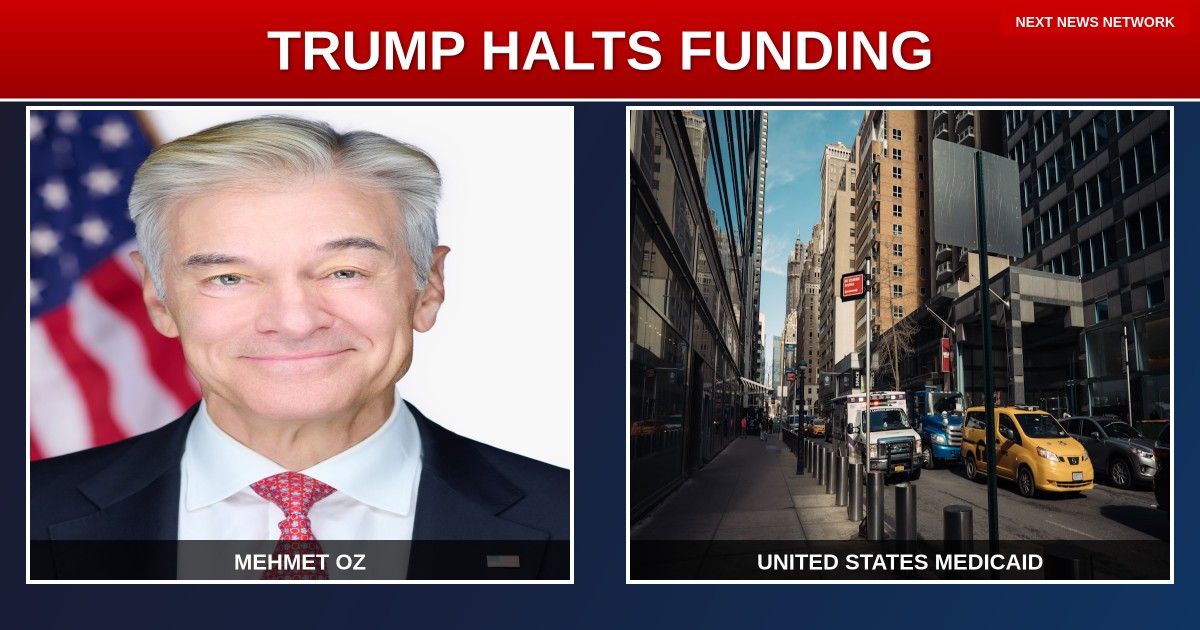
President Donald J. Trump has taken decisive action, directing CMS Administrator Mehmet Oz to terminate Medicaid funding for gender transition procedures for minors. This move aligns with the Trump administration's commitment to rolling back what it sees as misguided policies from the previous administration.
In a Truth Social post, Trump described the medical procedures as "barbaric," reaffirming his dedication to protecting minors from what he suggests are unwarranted interventions. Trump's directive is part of a broader agenda to end so-called "woke" policies in government and reinforce conservative principles.
Social media has erupted with reactions from concerned citizens who applaud the President’s decision. A user, @pitbullpatriot3, echoed a common sentiment, asserting, "Medicaid is meant for those with nothing and is to be only used for medically necessary procedures not weird fetishes by perverts!" Meanwhile, another user, @just_a_guy_bill, articulated a taxpayer's perspective, "Good! Medicaid is for people who can't afford other coverage. 'Transition care' isn't something I want my taxes being spent on."
Despite the support, some ardent Trump supporters, like @CreamyCornCob1, expressed frustration that the change didn't happen sooner, stating, "😠 This should have been enacted on day one. If not the first day, make it the second. Pissed."
The Broader Impact
This bold policy shift spotlights a central debate in America: the role of government in personal health choices and the protection of minors. By redirecting Medicaid funds, Trump and his administration are drawing a clear line between what they believe is a necessary medical procedure and what they view as ideological overreach.
What does this mean for everyday Americans? It signifies a return to traditional values on which many conservatives stand. It's a victory for those who are tired of watching their tax dollars fund procedures they fundamentally oppose.
As the Trump administration continues to reshape America with its conservative agenda, one question remains: Will other states follow suit, setting a new precedent for healthcare policies across the nation?
