
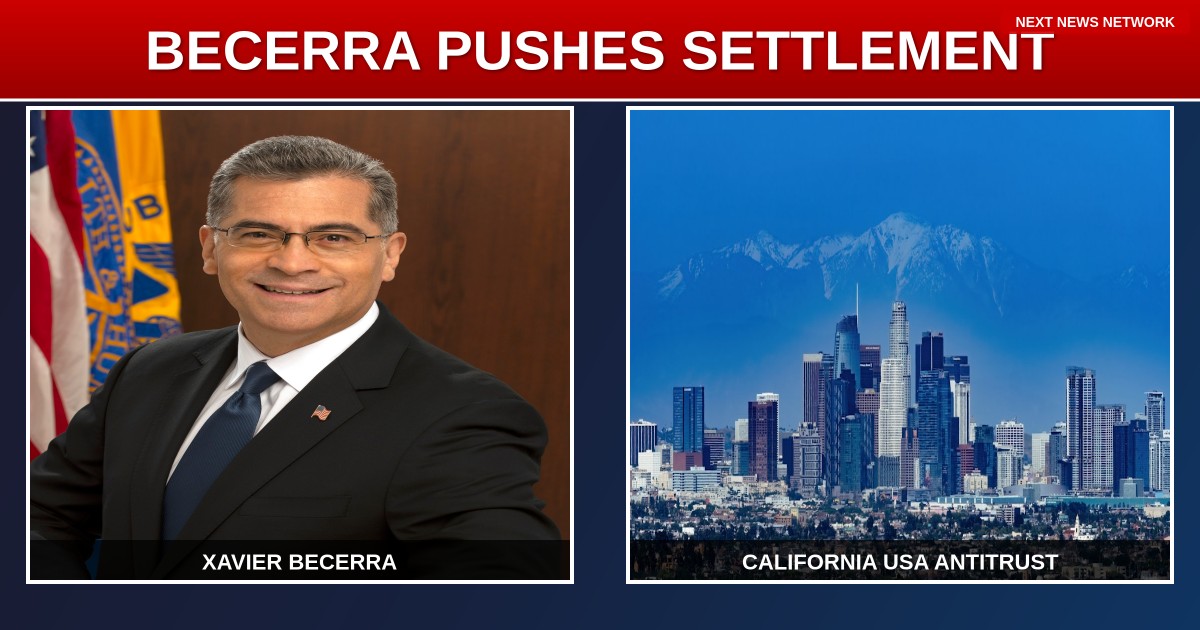
In a surprising twist, Xavier Becerra, the Democratic gubernatorial candidate in California, is advocating for a settlement in the ongoing antitrust showdown between the state and media conglomerates Paramount Skydance and Warner Bros. Discovery. This move raises eyebrows among conservatives questioning the motives behind avoiding a courtroom battle.
Who's Afraid of the Courtroom?
Becerra's plea for negotiation over litigation was publicly aired through social media, where the nominee stated his preference for resolving disputes in a 'Conference Room, Not Courtroom.' As reported by Deadline and highlighted in a tweet by @loopsloza, Becerra's call for settling could signal a lack of confidence in California's antitrust platform against these industry giants.
"California Democratic Gubernatorial Nominee Xavier Becerra Says He Prefers Settlement Of Paramount-WBD Antitrust Lawsuit: 'Conference Room, Not Courtroom'" - @loopsloza
The question lurking beneath the surface is why Becerra seems uneasy about contesting this towering corporate merger in court. His hesitancy stands in stark contrast to California Attorney General Rob Bonta, who appears unwilling to initiate settlement conversations.
The Legal Tangle
Social media reactions swiftly poured in, showcasing a spectrum of skepticism. Notably, @BorelliBooks questioned the very foundation of the state's standing in federal antitrust law, accentuating the murky water Becerra is treading on.
"California Democratic Gubernatorial Nominee Xavier Becerra Says He Prefers Settlement Of Paramount-WBD Antitrust Lawsuit: 'Conference Room, Not Courtroom' I don't understand states have standing to block a merger under federal law." - @BorelliBooks
The Implications for Americans
The crux of this drama rests on its implications for broader antitrust enforcement, particularly as it relates to the media sector. In a world where giant corporations increasingly dictate content, letting big business off the hook through settlement could set a dangerous precedent, sidelining concerns of innovation stifling and market monopoly—a classic Democrat kowtow to big tech and media powerhouses.
Ultimately, this begs the question: who benefits from this negotiated settlement? Is it the hardworking Americans who crave more diverse media landscapes, or is it the corporate behemoths eager to consolidate power? With such high stakes, folks need to critically assess Becerra’s true motivations and political calculations.
But rest assured, patriots—alternative conservative voices like Next News Network remain vigilant, questioning establishment maneuvers and advocating for transparency and justice in corporate dealings. How long will Californians tolerate backroom deals that favor media titans over the public interest?
