
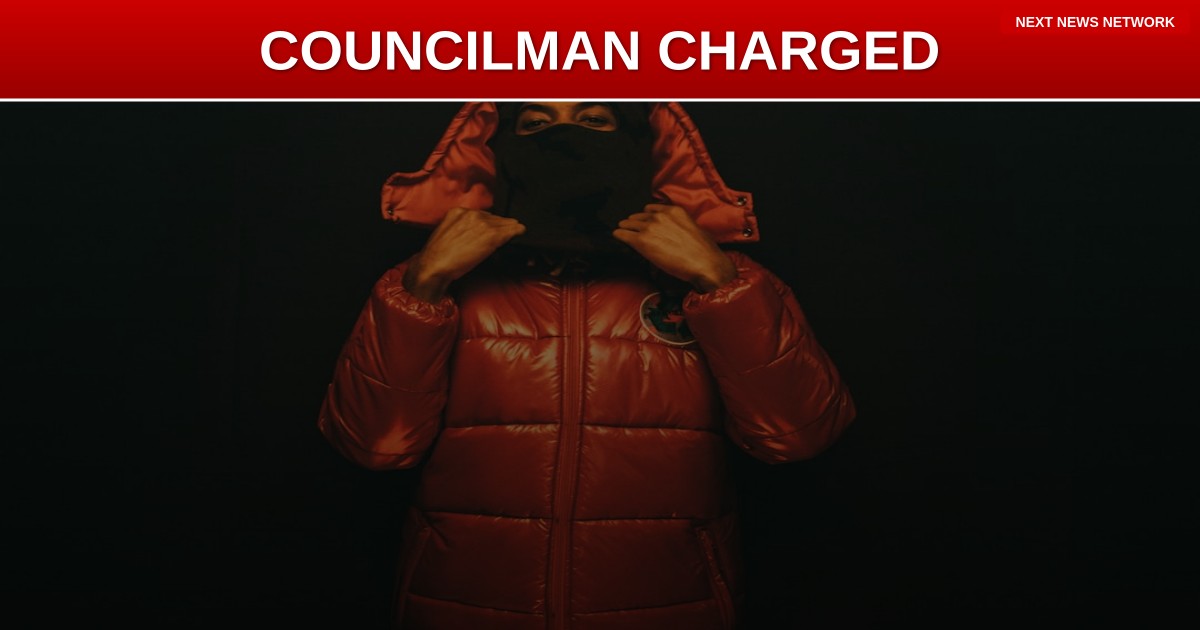
In a dramatic fall from grace, Flint City Councilman Leon el Alamin, once lauded by the left as a symbol of criminal justice reform, is now under the legal spotlight. El Alamin faces two felony charges: domestic violence and election fraud. As his legal battles unfold, they raise serious questions about the integrity of those who claim to champion justice and reform.
A Progressive Icon Unmasked?
El Alamin, who rode a wave of progressive support to his city council seat, is accused of living outside the ward he represents during the 2024 elections. This revelation, coupled with allegations of domestic violence, paints a starkly different picture of the once-celebrated reformist. An evidence hearing is scheduled for September, followed by an October trial.
Hudson Crozier, a commentator known for his sharp critiques of leftist hypocrisy, tweeted, "A Michigan city lawmaker who was once a left-wing symbol for criminal justice reform faces two felony cases alleging domestic violence and election fraud. Anyone remember Leon el-Alamin? You should." This pointed tweet echoes the sentiments of many conservatives who have long warned about the hidden agendas of leftist politicians.
What Does This Mean for Everyday Americans?
The charges against el Alamin serve as a reminder of the pitfalls of blindly following progressive idols without questioning their motives or actions. It's a cautionary tale for all Americans—especially those who have suffered under the weight of unchecked progressive policies.
The notion that individuals like el Alamin are 'champions of the people' is now under scrutiny. Election integrity is a cornerstone of our democracy, and these allegations cast a shadow not just over el Alamin, but also over the sincerity of those who claim to fight for the disenfranchised.
"As patriots, we must remain vigilant and question the true intentions of those seeking power," said a local conservative commentator.
A Call to Action
Americans must stay informed and hold public officials accountable, regardless of their political alignment. El Alamin's case should ignite a conversation about the transparency and ethics of our elected officials—something that transcends partisan lines.
As the trial dates approach, we should ask ourselves: How many more so-called 'reformers' are hiding behind a facade? The time for complacency is over. Let's take action and demand accountability from those who claim to represent us.
