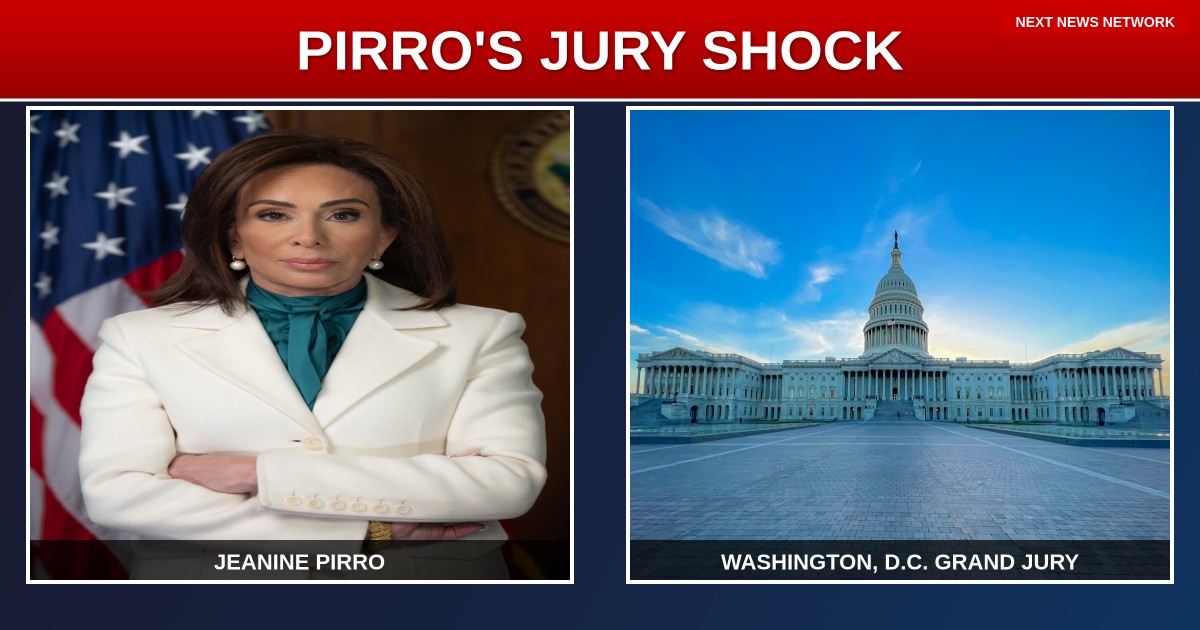
In an unprecedented move, the Justice Department has convened a special grand jury in Washington, D.C., spearheaded by none other than U.S. Attorney Jeanine Pirro. This eyebrow-raising decision has sparked a flurry of speculation among political insiders and everyday Americans alike.
Unlike standard grand juries that can tackle multiple cases, special grand juries are singularly focused, often tasked with what could be highly explosive investigations. A recent tweet from @TonySeruga clarified, "Pirro, in rare move, convenes special grand jury in Washington. Unlike typical grand juries, special grand juries focus on a single case or related cases and can issue a report following their investigation."
So, what’s behind this rare legal maneuver? According to sources cited by The Washington Examiner, this investigative tool could be aimed at tackling some of America's most contentious issues, potentially fulfilling President Trump’s promise to drain the swamp of ‘Deep State’ corruption.
The move has also caught the attention of polling experts. @PollTracker2024 highlighted, "The Justice Department has convened a special grand jury in Washington, a rare legal body that officials say could pave the way for federal prosecutors in the nation’s capital to investigate some of its biggest cases." This signals a possible overhaul of long-standing imbalances within our justice system.
Many questions remain unanswered. Is this part of Pirro's agenda to deliver on cases that align with President Trump's America First policies? A well-timed tweet by @Penny9569 speculated, "The convening of the special grand jury comes as Pirro and top Justice Department officials face pressure to deliver on cases that Trump wants prosecuted." Perhaps more information will become available as the details unfold.
This latest development has invigorated debates across conservative and liberal circles alike. Should the special grand jury uncover unsettling truths, it could reignite the Trump administration's campaign against what they term 'The Biden Regime' and the administrative state.
Ultimately, patriots should brace for what might come and think deeply about how these legal proceedings could shape the future of American governance. Is justice really within reach, or will this bring yet another layer of complexity to our fragile political landscape?