
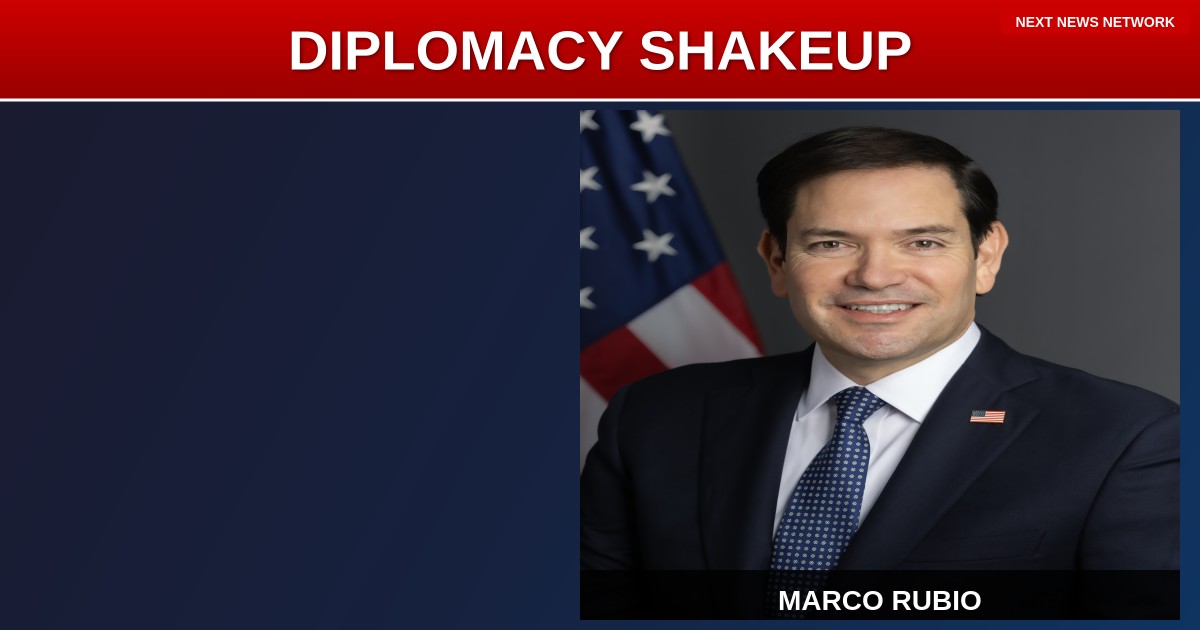
The Trump administration has taken decisive action in dismantling the last vestiges of the Biden-era's soft diplomacy efforts. The State Department, under Secretary Marco Rubio's leadership, has scrapped directives that mandated U.S. diplomats to push Diversity, Equity, Inclusion, and Accessibility (DEIA) and LGBTQI+ agendas in high-stakes bilateral talks with other nations. This move signals a robust shift back to prioritizing merit-based diplomacy over politically charged dogma.
This bold move aligns with the 'America First' agenda, prioritizing the core diplomatic functionality over virtue signaling that defined the previous administration's foreign dealings. According to @jrumolo on Twitter, "State Department scraps Biden-era DEI guidelines for foreign service | Fox News. It’s about time!" This sentiment echoes among many who feel that focusing on essential diplomatic interplay rather than ideologically driven discussions will benefit national interests.
Support for this decision is palpable across social media, as @Grimillionaire points out, "Trump-era State Dept scraps Biden DEI peddling guidelines for diplomats, shifting to merit-based, tangible diplomacy. Officials say focus is on core diplomacy, not political dogma." This reflects a return to prioritizing strategic and economic benefits rather than abstract identity politics.
Further solidifying this stance, @RealJohn_FKJ tweeted, "NEW: The State Department is dumping Biden-era directives for diplomats to push diversity, equity, inclusion and accessibility (DEIA) talking points on foreign governments during high-level bilateral discussions." Patriots and policy-makers alike are questioning the past administration’s priorities, asking how national security and economic ties might have been impacted by forcing these ideologically charged narratives.
Impact on International Relations
This recalibration by the Trump administration not only strengthens the U.S. defense of its own values and interests but also clarifies its stance on international relations, promising a more straightforward diplomatic approach. While the mainstream media will likely critique this shift, Americans who prioritize efficiency and concrete results will see this as a breath of fresh air. It remains to be seen how this will reshape global relationships, but one thing is clear: political correctness no longer defines American diplomacy.
What will this mean for America’s standing in the world order? Will foreign governments respect this assertive stance or challenge it? Patriots, stay tuned as we continue to cover how this influences our nation’s strategic partnerships.
