
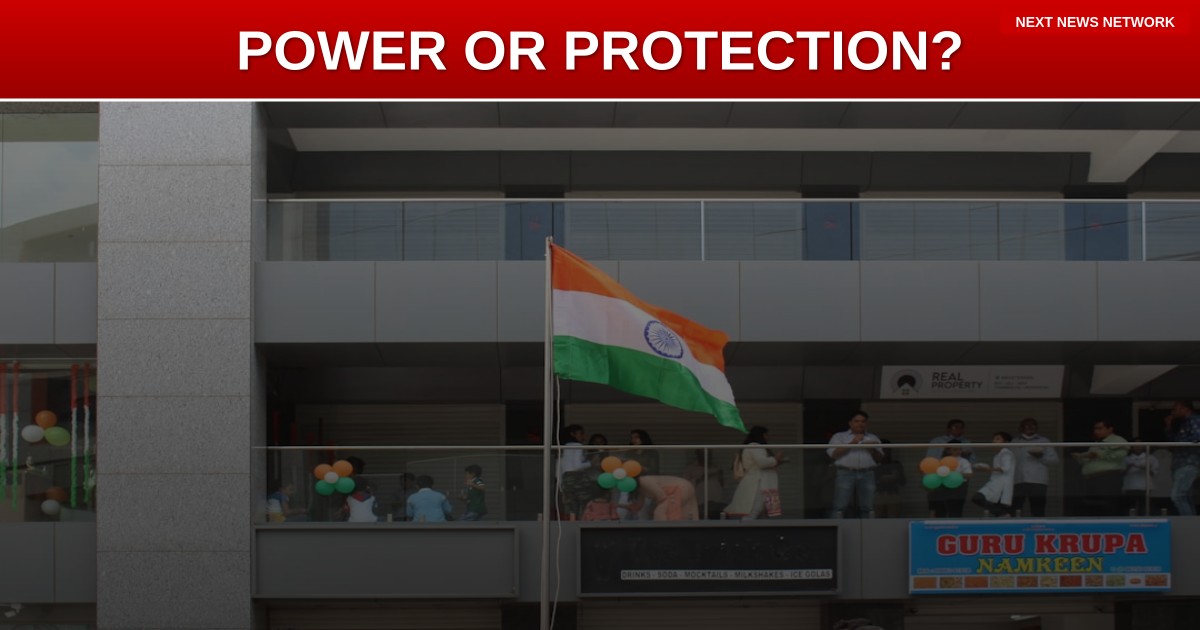
India's recent passage of the 2026 Foreign Contribution (Regulation) Amendment Bill (FCRA) is igniting fiery debate, putting the spotlight on how foreign funds are monitored in the largest democracy on Earth. While proponents argue the amendment fosters transparency and accountability, critics are voicing concerns over its authoritarian undertones.
A Step Towards Transparency or Control?
This new legislation has been lauded by some as a necessary measure to ensure that every foreign rupee is accounted for and lawfully used within Indian borders. Social media commentator @iAroraDeepak questions the resistance to oversight by the opposition, asserting, "If foreign funding is legitimate, why fear transparency?" [Twitter]
However, skepticism is running rampant among others who view the bill as a means for Prime Minister Narendra Modi's Bharatiya Janata Party (BJP) to further tighten its grip on power. As @DeepikaPNath boldly claims, "The BJP’s FCRA Bill is less about accountability and more about control... Democracy needs scrutiny. Dictatorships need obedience." [Twitter]
"The message is unmistakable: independent voices that question power will be squeezed, silenced and pushed out." — @DeepikaPNath
Not everyone is pleased with the current trajectory, as many fear the bill could jeopardize the pluralism that has long defined Indian democracy. The bill's failure in parliament, according to @NegiJi1003, "is a big setback for us" who value free discourse uninfluenced by government interests. [Twitter]
What's Next for India?
The bill's referral to a Joint Parliamentary Committee (JPC) might delay its implementation but brings forth an important dialogue on India's future as a democracy. Will this bill end up being a historic step towards strengthening India’s institutions or will it become an infamous chapter of curtailed freedoms?
Proud patriots everywhere know the perils of excessive state control. As Americans, it is imperative we learn from international situations like this, ensuring our freedoms remain vigorous and unassailable. What's your take, folks? Is this a safeguard for democracy or a menacing power grab by those in control?
