
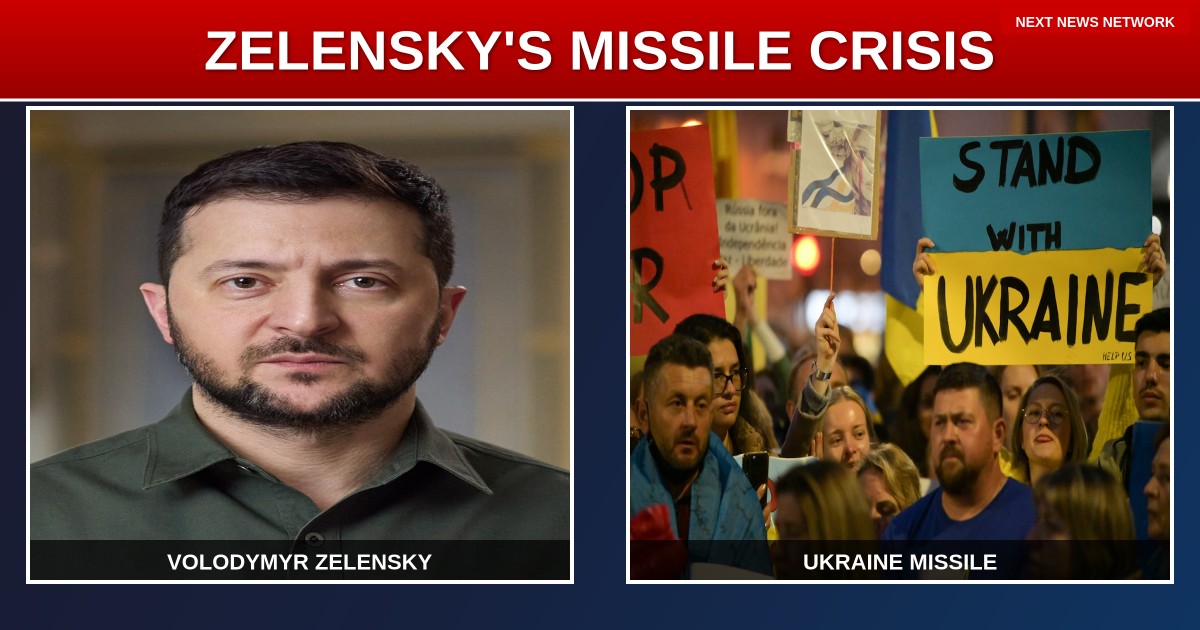
Ukrainian President Volodymyr Zelensky’s urgent plea for additional Patriot interceptor missiles has laid bare the stark reality of Ukraine’s precarious military position. With winter on the horizon, the country finds itself grappling with a crippling shortage that underscores the challenges it faces in its ongoing conflict with Russia.
Zelensky’s candid admission of the missile deficit was highlighted in recent discussions, where he reportedly told CNN that acquiring just 10% of the United States’ Patriot stockpile could turn the tide against Russian ballistic threats. The situation has provoked reactions across the political landscape, illustrating the complexity of international aid dynamics.
Sell Ukraine 10% of US Patriots and ‘we will destroy all the Russians’ ballistic missiles,’ Zelensky tells CNN #CNN #Russia #Missiles
https://t.co/TGMLpbcOP0
In stark contrast, President Donald J. Trump, currently in his second term, has rebuffed these requests, emphasizing the pressing needs at home. “We want them too,” Trump responded, denying that conflicts, including ongoing tensions with Iran, have hindered America’s military capabilities. This stance reinforces the Trump administration's 'America First' policy, prioritizing national security and resource allocation above all else.
‘We want them too’: Trump rebuffs Zelensky’s request for missiles The US president earlier denied multiple reports of shortages caused by his war with Iran
https://t.co/gvsoHOQ76l
Trump’s criticism of Zelensky's plea highlights a broader skepticism regarding unchecked foreign aid. Many Americans question whether sustained support aligns with national interests, particularly when taxpayer dollars are at stake. The Republican administration continues to prioritize a strategic, conservative approach to international engagement, distinguishing between direct threats and distant conflicts.
Zelensky’s situation echoes wider global unease, as nations weigh moral obligations against pragmatic considerations. For the United States, however, the priority remains a fortified defense and effective domestic policy. As the coming months unfold, the White House message is clear: bolster national strength before extending expansive aid, ensuring no homeland vulnerability emerges from international demands.
Americans, where do you stand on this issue? Should the U.S. continue to funnel resources overseas, or is it time to reinforce our own borders and defenses? The conversation is ongoing, and your voice matters.
