
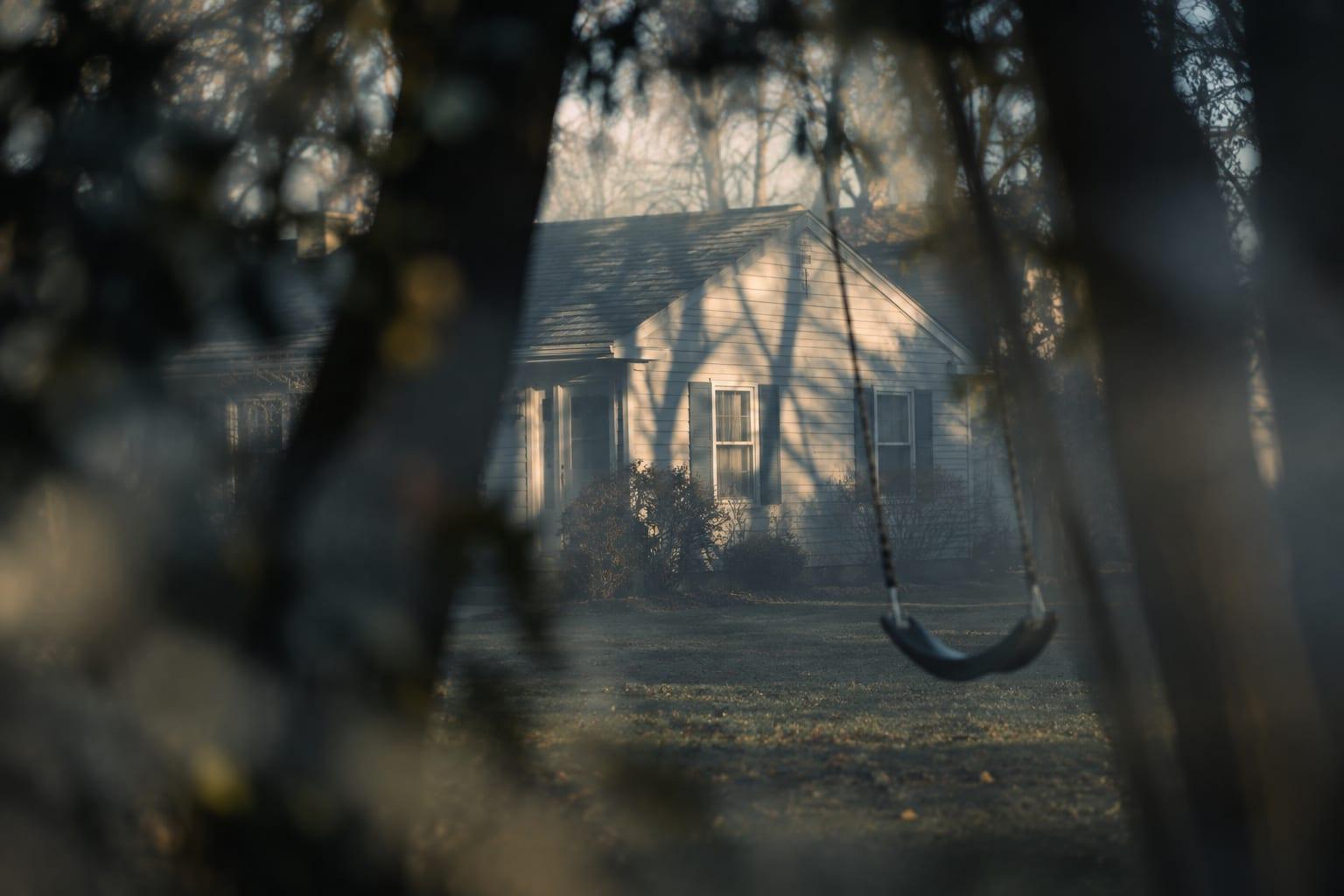
A small town in Kansas has been rocked by an unthinkable act of violence that has left a family of five dead. Winfield Police Chief Robbie DeLong confirmed that a local man made a frantic call to 911 on Tuesday morning, confessing he had killed his four children and their mother before committing suicide. The call, made at approximately 8:50 a.m., sent police rushing to the scene.
Upon breaching the residence two hours later, officers encountered a harrowing scene: the lifeless bodies of the victims, brutally taken before their time. Authorities have yet to release the names of those involved, respecting the privacy of the grieving community.
This shocking act leaves many questions unanswered. What could drive a father to such desperation and depravity? Video footage, captured by a neighbor's Ring camera days before the incident, showed the man pacing and screaming profanities outside the home, a possible precursor to the tragedy that unfolded.
The Larger Context
This devastating event serves as a grim reminder of the silent struggles endemic in many communities. While headlines such as these may seem sensational or isolated, they expose underlying issues of mental health and domestic unrest that are often ignored by the establishment.
"This is an absolute tragedy that has taken a toll on our community. Our thoughts and prayers are with those affected," Chief DeLong noted during a press briefing.
Yet, it's clear that thoughts and prayers, though well-intentioned, aren't enough. Across America, there's a growing need for policies that address and support mental health—an issue that our leaders in D.C. must prioritize. After all, the stability of our nation is built upon the foundation of healthy, safe families. Unfortunately, such needs are often drowned out by the cacophony of 'woke' agendas pushed by leftist politicians who refuse to engage with these critical issues.
This incident is a call to action for all Americans to demand more from those in power. How many more lives must be lost before substantial changes are enacted? In a world where many feel ignored or sidelined, it is up to us, the 'We the People,' to ensure tragedies like this become a thing of the past.
What Comes Next?
The reverberations of this tragedy will be felt for a long time, and as community members begin the long and painful healing process, questions about what comes next loom large.
We must ask ourselves how we can prevent similar tragedies and what steps must be taken to ensure that families across America are supported and heard. It's time we set aside ideological differences and work together to secure a future where stories like this become less frequent. Can our political leaders prioritize mental well-being over their partisan agendas? It's time for accountability—and action.
