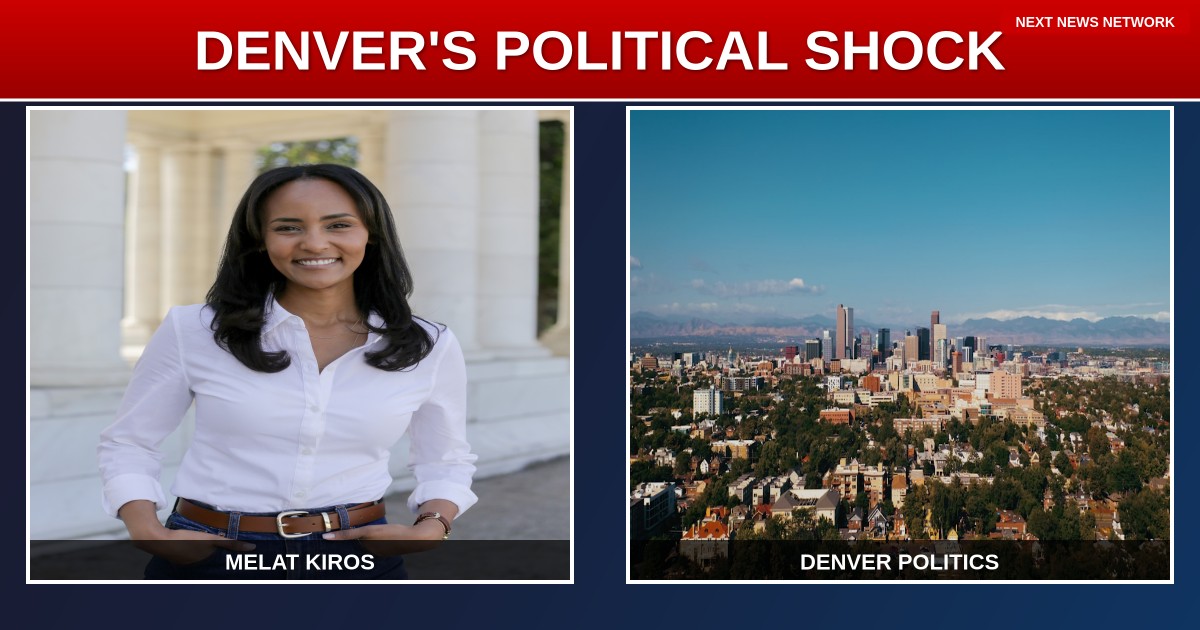
In a major political shocker, Denver's business community is reeling after a Democratic Socialist, Melat Kiros, toppled 15-term incumbent Michael Guzman in the recent primary. As Colorado continues its leftward drift, fears are mounting among business leaders about the impacts of radical policies on the local economy.
For decades, Colorado has been a barometer for the nation's political shifts. Once a conservative stronghold, it has gradually transformed into a progressive powerhouse, much to the dismay of its historic business-oriented roots. This latest development has left many wondering about the future economic landscape of the region.
The Upset
This primary upset sent ripples through Denver's political and economic sectors. The victory of Kiros, a vocal advocate for Democratic Socialism, over a long-time Democratic stalwart marks a significant ideological shift.
Tweet from @RedState: "Denver Business Community Frets After Democratic Socialist Beats 15-Term Dem Incumbent in Primary https://t.co/jz4sE8YjhS"
J.J. Ament, CEO of the Denver Metro Chamber of Commerce, did not mince words while addressing these concerns. He warned, "The policies advocated by Democratic Socialists risk undermining businesses that have been the backbone of our community for decades." [source]
Economic Anxiety
The Democratic Socialist agenda often includes heavy regulation, increased business taxes, and a shift towards expansive social programs—all elements that make the business community jittery. As one local business owner aptly put it, "We've been the lifeblood of the local economy. These policies could drain us dry."
With Denver facing a potential metamorphosis under the influence of socialism, small business owners and investors are weighing their options. Will entrepreneurs take their ventures elsewhere, or will they stick around and fight for a competitive market climate?
What This Means for Colorado
The apparent tilt towards socialism is a reflection of wider national movements, touching chords similar to those found in other progressive bastions like California and New York. Investors and everyday citizens alike are left to ponder: Is this the new normal for Colorado, and how will it impact their businesses and livelihoods?
The political tableau is dramatically shifting, and Denver appears at the forefront of this controversial wave. Americans who value economic freedom and entrepreneurship are watching closely as these dramatic changes unfold.
As the ideological battle intensifies in the Mile High City, the question remains—how will businesses and citizens respond? Will they stand against the tide, or is Colorado poised to complete its transformation into "East California"?
For those who cherish individual liberty and a free market economy, the time to engage is now. How will you respond, Patriots?