
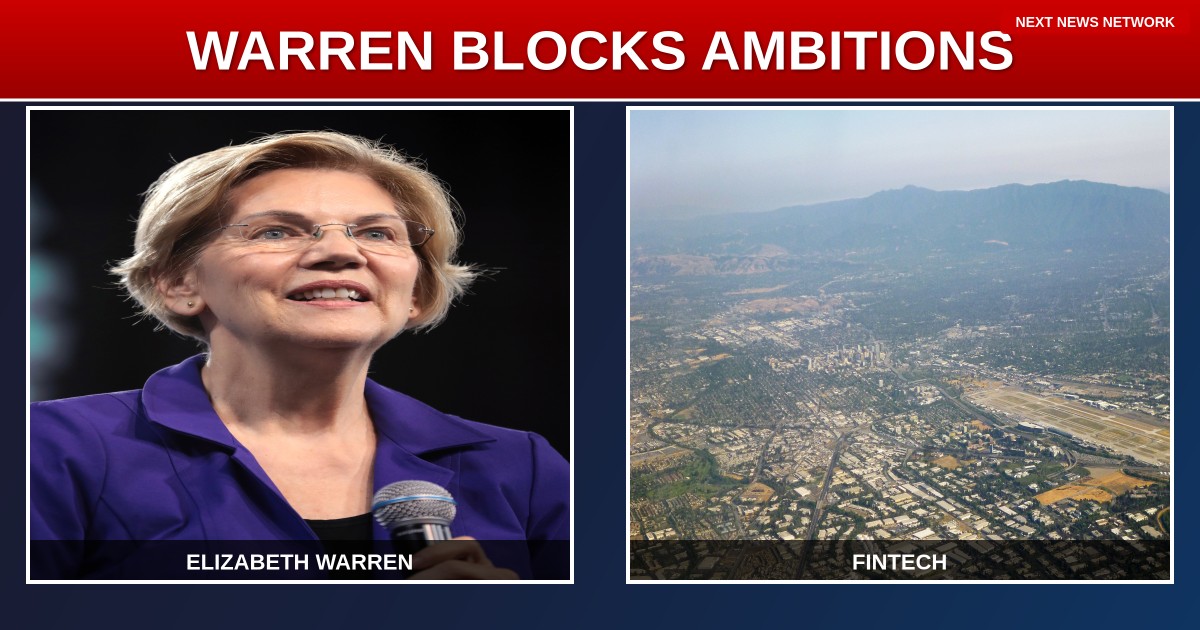
In a dramatic power play, Senator Elizabeth Warren has single-handedly blocked a burgeoning fintech lender from acquiring a much-coveted banking charter, in a decision that is sure to send shockwaves throughout the financial industry. This bold move by Warren, who has long championed increased regulation in the financial sector, raises critical questions about the future of innovation in the United States, while potentially giving China an upper hand in the global fintech race.
Warren’s latest intervention comes amid growing concerns about federal overreach and the dire implications for businesses that try to push the envelope. According to @DrJStrategy on Twitter, "The Clarity Act. Bitcoin vs. Warren: Consensus Thinks Warren Will Hand Digital Finance to China. Consensus has made a habit of mistaking political noise for structural power.” Here we see a clear example of Warren prioritizing grandstanding over American technological superiority.
This controversial blockade aligns seamlessly with her track record of opposing short-term lenders and other high-risk financial operators. Warren's actions underscore a glaring disconnect between political objectives and economic opportunity, and the consequences could be severe for everyday Americans seeking alternative financial solutions.
"TRUMP’S CRYPTO EMPIRE JUST GOT A PRELIMINARY GREEN LIGHT TO BECOME A BANK — FROM A REGULATOR HE APPOINTED," said @cbarbermd on Twitter, highlighting a stark contrast between the Trump administration’s capitalist empowerment and Warren’s restrictive policies.
Warren’s hostility towards fintech might not only stifle innovation but also deliver a strategic victory to global adversaries like China, as the U.S. stumbles in the critical race for financial modernization.
Patriots must ask themselves: How much longer will we tolerate politicians who prioritize ideological agendas over American citizens' prosperity? Will Warren's regulatory ambitions irreparably damage our nation’s competitive edge? It’s high time for Americans to rally for true economic freedom—this is not just a financial issue; it’s a matter of national security.
