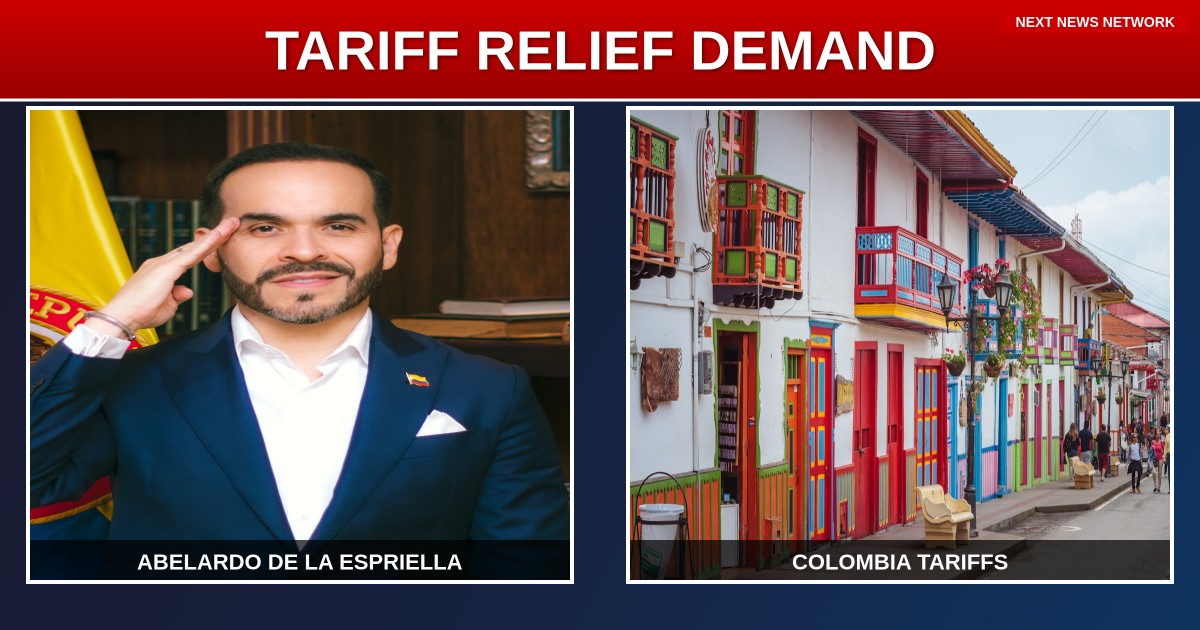
Colombia's newly inaugurated President Abelardo de la Espriella has urgently reached out to his ally, U.S. President Donald Trump, with a heartfelt plea: suspend tariffs on Colombian goods to aid the nation’s recovery from a devastating earthquake. With at least 289 lives tragically claimed, the 7.4 magnitude quake has wreaked havoc, leaving destruction and despair in its wake. De la Espriella underscores the critical need for immediate aid to rebuild and stabilize.
Rising Above Rubble: A Glimmer of Hope
Faced with this harrowing crisis only days into his presidency, de la Espriella is not only confronting natural disaster but economic strains exacerbated by existing tariffs. The Colombian leader has made it clear: lifting these financial burdens could bring much-needed relief to the ravaged South American nation. Tweets such as ABC30’s reflect the global call to action, "Abelardo de la Espriella has asked his ally Donald Trump to suspend tariffs to help recovery from a deadly Colombia earthquake."
Similarly, social media is abuzz with appeals, as illustrated by user JohanScarlett84 sharing, "🚨 BREAKING: Colombia’s President Abelardo de la Espriella has asked Trump to suspend tariffs as the country faces a major reconstruction effort following a devastating earthquake." The humanitarian need here is as apparent as the physical ruin.
Trump's Choice: America First or Neighborly Compassion?
Now, the ball is in Trump’s court. Known for his "America First" approach, the decision to temporarily ease tariffs poses an interesting challenge. Patriots understand the importance of upholding economic policies that prioritize American interests. Yet, what does it mean for our neighbor experiencing a catastrophe of biblical proportions? As shared by MediaQSI, "🇨🇴🇺🇸 Colombia Asks US to Pause Tariffs in Deadly Quake’s Aftermath"—a request echoing through diplomatic channels.
This is a defining moment for the Trump-Vance Administration, as they are presented with an opportunity to reinforce international solidarity without compromising American principles. Wherever one stands on these policies, the fundamental question remains: how do we balance strategic interests with global responsibilities?
Now, more than ever, these decisions carry implications, both economic and humanitarian. Will President Trump reach across borders and remove the tariff barriers for the sake of recovery? Your thoughts, fellow Americans, could shape the narrative. Share in the comments below!