
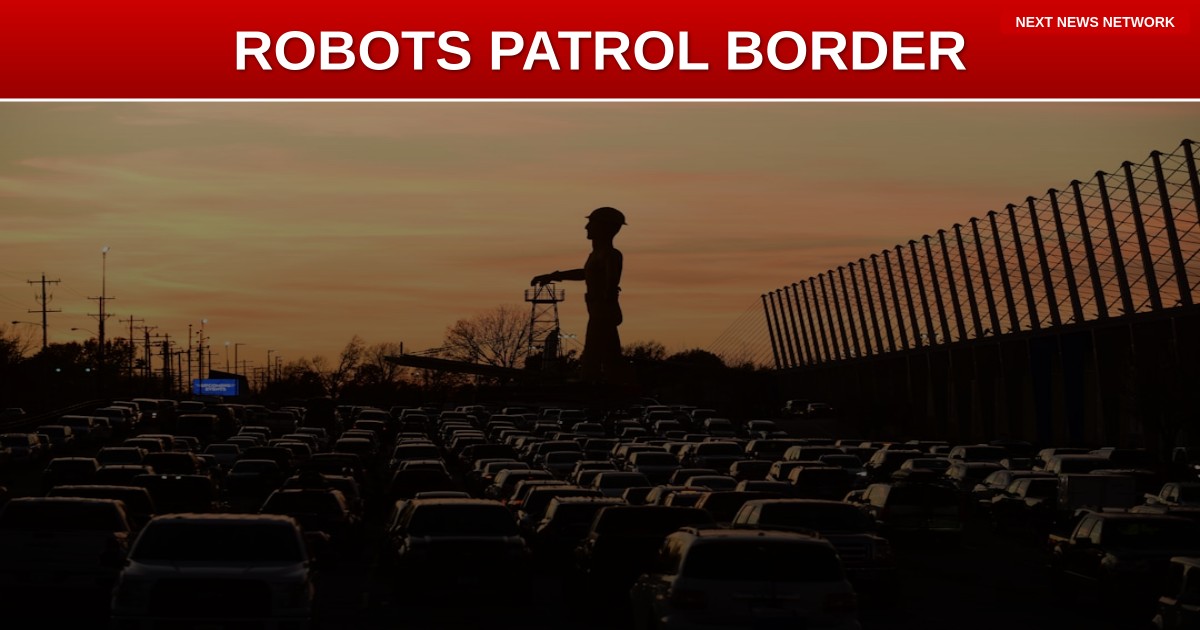
The border security landscape may be on the verge of a high-tech revolution, as Foundation CEO Sankaet Pathak proposes the use of humanoid robots for surveillance and reconnaissance along the southern U.S. border. This innovative idea has sparked a flurry of debate and commentary among pundits, policymakers, and everyday Americans.
According to reports from Fox News, Pathak envisions these advanced robots navigating the harsh and rugged terrains of the border, potentially transforming how surveillance is conducted. Such a futuristic approach aligns well with President Trump's robust border security agenda, which has been a cornerstone of his administration's policies.
An Idea Whose Time Has Come?
As expected, social media is abuzz with reactions. Twitter user @RickapediaFacts remarked, "Humanoid type robots are here and will stay to be the future let’s make them do all the dangerous firefighters and rescue." Indeed, why not use technology to enhance safety and efficiency at our borders? Fellow user @lisamann5858 shared a similar sentiment, emphasizing the potential utility of such devices.
Pathak's suggestion comes at a critical time. With the Trump administration's unwavering commitment to border security—evident in efforts like the completion of the border wall—humanoid robots could bolster these initiatives. Trump’s promise of “America First” in terms of national security might gain additional traction if these innovations are implemented.
"Humanoid robots could eventually help monitor southern border, Foundation CEO Sankaet Pathak says," noted Twitter user @KRYPTOCEAN_.
The Implications for Americans
This proposition not only fosters a discussion about advanced technology in national defense but also speaks to the broader issues of safe and secure borders, a narrative central to the MAGA agenda. These robots could potentially minimize the risks faced by human border patrol agents and heighten surveillance capabilities immeasurably.
While detractors might raise concerns about costs and effectiveness, the potential benefits cannot be ignored. At the end of the day, the security and safety of America are paramount. Patriots, would autonomous robots not be a compelling ally in the fight against illegal immigration and border crimes?
As this concept inches closer to reality, critical questions need exploring: Will robotics become the frontier of American border security? How might this impact human roles in these critical areas? Stay tuned as we follow this game-changing development that promises to shift the dynamics of border security forever.